
























A steaming bowl of spiced chickpeas paired with a glistening, buttery flatbread can instantly elevate any ordinary meal into a feast. Many home cooks assume that replicating the airy tenderness and blistered spots seen in roadside eateries requires a specialized clay oven. Consequently, they avoid attempting the dish in their own kitchens. In reality, mastering dough fermentation and maintaining proper griddle temperature allows anyone to create remarkably soft and elastic kulchas right on a regular stovetop pan.
Precise Ingredient Proportions for a Fluffy Dough
Balancing liquid and dry components is fundamental to achieving the desired tenderness. The base dough calls for four cups of all-purpose flour, half a cup of lukewarm water, one and a half cups of lukewarm milk, two tablespoons of olive oil, one teaspoon of active dry yeast, two teaspoons of granulated sugar, and half a teaspoon of salt. Keep approximately one-fourth cup of dairy butter ready for brushing throughout the cooking process and final plating. Finely chopped fresh coriander leaves may also be kept on hand to impart herbal aroma and vibrant color.
Activating Yeast and Working the Gluten
The preparation begins with blooming the yeast properly. Combine the lukewarm water with the granulated sugar and dry yeast, leaving the liquid undisturbed for five to ten minutes. Once frothy foam gathers on the surface, the biological culture is active and ready. Pour this mixture over the measured flour, gradually adding lukewarm milk alongside the half teaspoon of salt.
Begin bringing the mixture together into a cohesive mass. The dough will feel noticeably tacky initially, but adding excessive dry flour should be avoided. Instead, stretch and fold the mass repeatedly on a clean surface for approximately five minutes. This physical manipulation aligns gluten strands, progressively yielding a supple texture. Coat the ball with two tablespoons of olive oil, cover securely, and set it in a draft-free spot until the volume expands to roughly double its initial size.
Shaping Guidelines and Stovetop Heat Control
Once the leavening phase is complete, gently depress the center of the expanded dough to expel trapped pockets of carbon dioxide. Knead the mass for an additional couple of minutes before dividing it into equal portions. Take one portion, dust it lightly with dry flour, and roll it out with gentle pressure into a moderately thick oval or round disc.
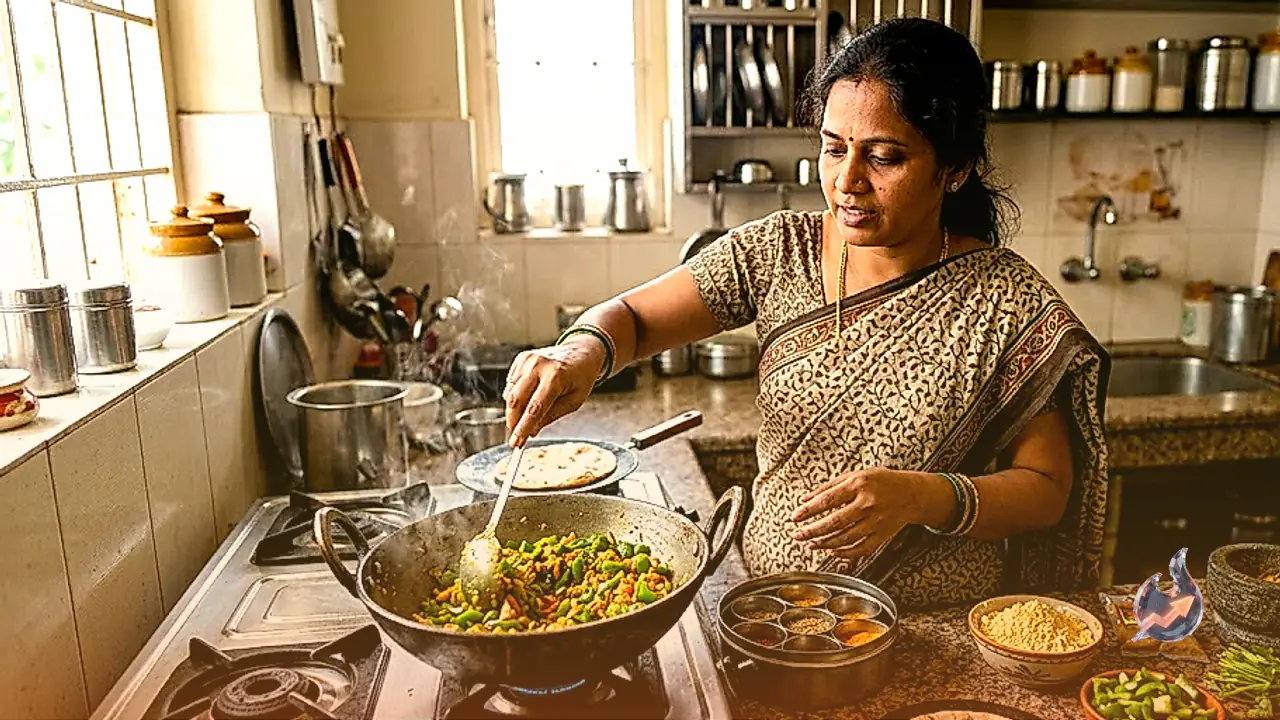
Thoroughly heat a griddle over a regulated medium to low flame before laying the rolled dough across the cooking surface. Within moments, minute bubbles will begin appearing across the exposed surface, which indicates the bottom layer has set and the bread should be flipped over. Continue baking until pale golden spots form across both sides. Keeping the flame gentle is critical, as high heat quickly darkens the exterior while leaving the center heavy and uncooked.
Finishing Touches and Serving Suggestions
The moment each flatbread leaves the pan, coat its surface generously with butter while still steaming. This rapid application locks in moisture and preserves flexibility. For an authentic roadside flair, scatter freshly chopped coriander leaves over the buttered top. These fresh breads pair exceptionally well with piquant chickpea curry, layered vegetable gravies, or cold seasoned yogurt. Accompanied by crisp sliced red onions and fresh lemon wedges, the dish delivers a satisfying meal suitable for weekend gatherings and family dinners.