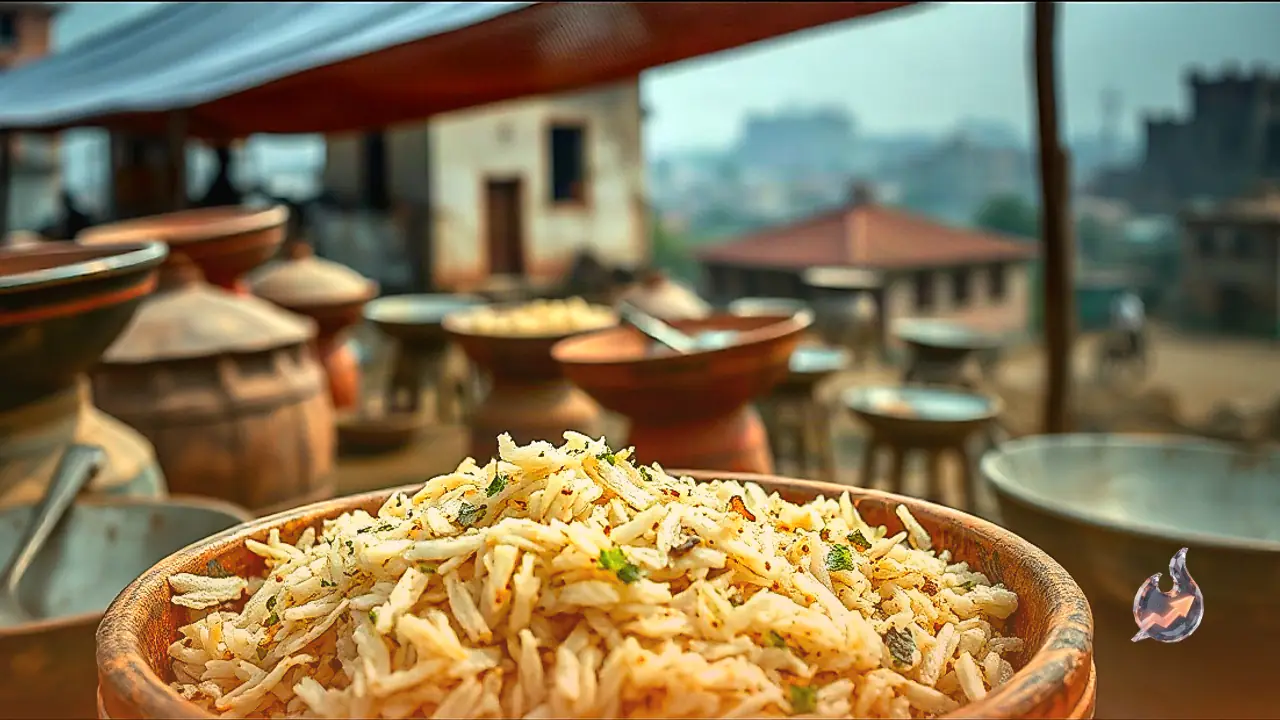

























Elephant foot yam, widely known across regions as suran or oal, is a nutrient-dense and flavorful root vegetable. In northern parts of India, its dry and spicy preparation is a beloved staple on dining tables. When cooked following proper culinary techniques, suran pieces develop a gently crisp crust on the outside while remaining tender and soft inside. This dish pairs seamlessly with standard wheat rotis, flaky parathas, or a comforting platter of rice and dal.
Preparation Steps and Preventing Skin Irritation
Preparing this vegetable begins with proper peeling and trimming. Remove the thick outer skin completely and slice the firm flesh into even, medium-sized cubes. Handling raw suran can trigger uncomfortable itching on bare skin due to natural compounds in the tuber. To protect yourself while cutting, coat your palms thoroughly with a layer of cooking oil before starting, or alternatively, wear protective gloves throughout the chopping process.
The Critical Boiling Technique
Boiling the chopped pieces before cooking is a vital step that should never be omitted. Heat water in a deep vessel, transfer the cut cubes into it, and allow them to boil continuously for 8 to 10 minutes. This thermal treatment reduces the itch-causing properties present in the yam and enhances the final texture and taste of the dish. Once boiled, discard the cooking water completely using a strainer and set the drained cubes aside.
Searing in Mustard Oil
To infuse authentic aroma and depth, heat mustard oil in a heavy-bottomed wok or kadai. Once the oil reaches proper cooking heat, introduce the boiled yam cubes and shallow fry them until the exterior turns an even, light golden shade. Remove the crisped pieces from the wok and transfer them onto a clean plate.
Sauteing Aromatics and Simmering
In the same oil remaining in the kadai, introduce cumin seeds along with asafoetida. As the seeds crackle, stir in ginger paste and saute it briefly for a few seconds. Follow by adding chopped tomatoes, cooking gently until they soften into a mushy consistency. Stir in turmeric powder, coriander powder, red chili powder, and salt, frying the paste steadily until glistening oil separates from the masala base. Tip the crisped suran cubes back into the pan, coating every piece thoroughly with the seasoned gravy. For those who enjoy a lightly sauced consistency rather than a completely dry fry, pour in 1/2 cup of water. Place a lid securely over the pan and let it simmer over low heat for 8 to 10 minutes, allowing every bite to absorb the rich flavors of the spice mixture.
Finishing Touches and Serving Suggestions
Complete the seasoning by stirring in garam masala and dried mango powder, which introduces a gentle tang that balances the rich spices. Garnish with 2 tablespoons of finely chopped fresh coriander leaves and switch off the stove. Dish out the steaming jimikand alongside hot wheat rotis, rustic pearl millet flatbreads, parathas, or plain steamed rice paired with lentils. Serving fresh green chutney and sliced onions on the side elevates the entire dining experience.