





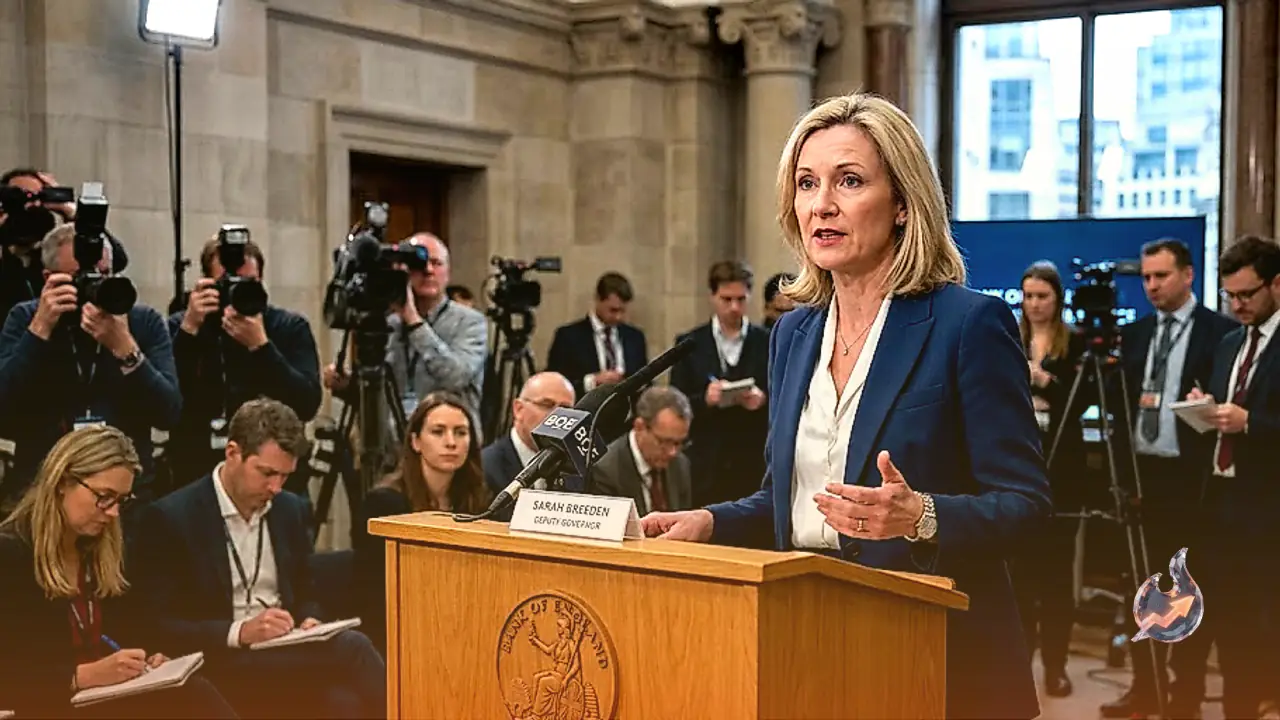


















A sharp acceleration in American business activity has sparked renewed strength across international currency markets, sending the US dollar higher against its peers. Stronger economic readings reshaped monetary policy expectations during European trading hours, triggering widespread tightening in financial conditions and weighing on both bond and equity markets worldwide.
Superheated US Flash PMIs Drive Rate Expectations
The primary catalyst behind the market shift was the preliminary release of United States purchasing managers index data for September, which comfortably outpaced consensus forecasts. The composite index advanced from 56.0 in August to 58.4 in September, underscoring broad resilience across private sector activity.
A closer look at the sectors shows manufacturing expanding to 57.0 from 53.9 in the prior month, propelled by concurrent gains in new orders, industrial production, and employment metrics. Concurrently, the services gauge climbed to 58.7 from 56.5. Crucially, the survey highlighted that input prices within the service sector accelerated at their quickest pace since November 2022. This intensification of input costs indicates that persistent price pressures extend well beyond isolated energy factors.
In response to the data, investors rapidly adjusted their interest rate projections. Market pricing moved to reflect a 70% probability of an additional Federal Reserve rate hike taking place in October. The resulting surge in US yields exerted severe downward pressure on the single currency, dragging EUR/USD below the 1.14 threshold and propelling the dollar upward against all other G10 currencies.
Euro Area Resilience Overshadowed by Dollar Rally
Economic indicators within the euro area also posted positive momentum during September. The European composite PMI climbed to 53.1, surpassing both the prior reading of 52.0 and market expectations of 51.7. This represented the strongest reading recorded across the euro bloc in more than three years.
The improvement was predominantly spearheaded by services, where the index advanced to 53.0 compared to an expected 51.4 and a previous 51.6. Meanwhile, factory output proved steady, with the manufacturing PMI holding firm at 52.7 against a consensus expectation of 52.6. Yet, despite the hawkish implications of the euro area release, the sheer scale of the American expansion dominated trader positioning, driving capital flows into dollar-denominated assets.
Developments Across Asian Sessions and Central Bank Moves
Currency movements remained active through Thursday Asian trade. AUD/USD softened toward 0.7000 following Australia's August labour market report. The release showed the unemployment rate ticking upward to 4.6% against a projected 4.5%, despite employment change figures exceeding forecasts by adding 39.5K jobs. Investor sentiment was also restrained ahead of critical international bilateral talks.
Meanwhile, USD/JPY pulled back from recent three-week highs, stabilizing near 158.00. An uptick in Japanese domestic government bond yields, paired with ongoing speculation surrounding potential currency market interventions, provided support to the yen. Nevertheless, the dollar preserved broader multi-week gains amid elevated US Treasury yields. On the monetary policy front, the Bank of Japan resolved in a 7-2 vote to raise its benchmark short-term interest rate target from 1.00% to 1.25%, executing another widely anticipated step in its ongoing policy normalization process.
Commodities and Washington Trade Negotiations
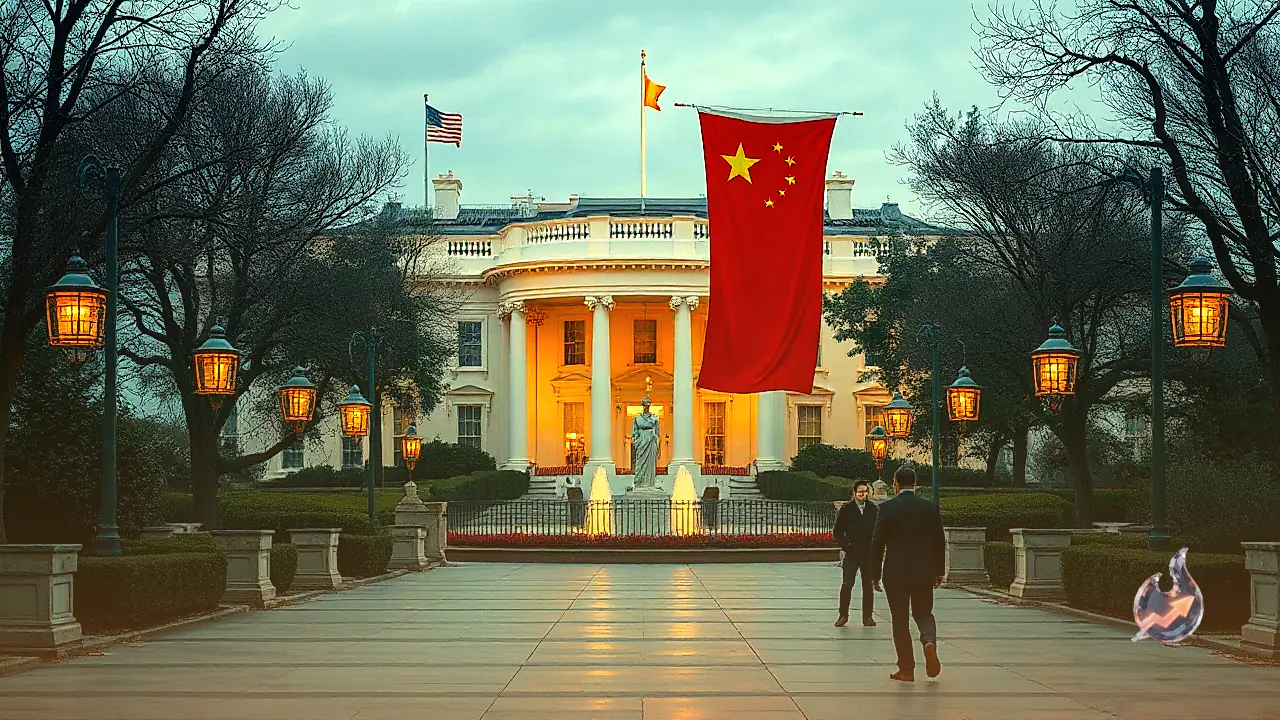
Gold held steady near a one-week low throughout the Asian trading window as market participants adopted a cautious posture ahead of high-level diplomatic discussions. Focus remains centered on the scheduled meeting between US President Donald Trump and Chinese President Xi Jinping. While market expectations for sweeping policy breakthroughs remain subdued, attention is trained on potential understandings regarding rare earth elements, technology trade curbs, and bilateral commercial ties.
Ahead of those talks, US Treasury Secretary Scott Bessent confirmed that Washington and Beijing reached an agreement to extend their bilateral trade truce. Originally slated to expire in November, the agreement will now remain in place through January 10. The decision followed an unscheduled working session held in Washington between Bessent and Chinese Vice Premier He Lifeng, offering temporary clarity on cross-border tariff conditions.