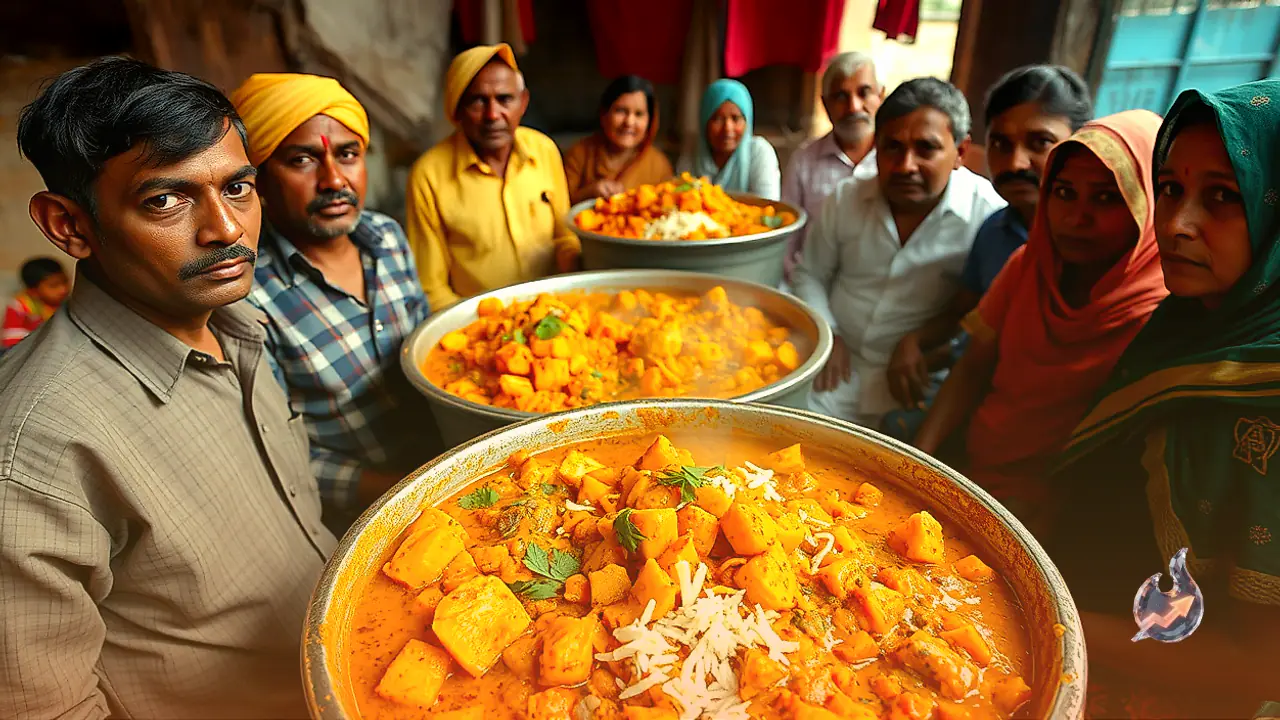

























Egg curry remains one of the most versatile and comforting dishes to prepare when craving something flavorful, wholesome, and satisfying. While roadside dhabas and fine restaurants often serve rich, aromatic versions that leave a lasting impression, replicating that deep depth of flavor at home can sometimes feel elusive. With the right cooking technique and spice balance, you can prepare an exceptional homemade version that rivals any dining establishment. This dish pairs delightfully with warm phulkas, flaky parathas, or a bowl of steamed rice.
Prepping the Boiled Eggs and Searing
The recipe requires hard-boiled eggs, two tomatoes prepared as fine cuts or puree, finely chopped onions, ginger-garlic paste, green chilies, cumin seeds, bay leaf, turmeric, red chili powder, coriander powder, cumin powder, salt, garam masala, and fresh coriander leaves. Begin by peeling the boiled eggs cleanly. Make small, shallow slits along the surface of each egg with a knife so the seasoning can penetrate deeply. Heat a small amount of cooking oil in a pan, dust the eggs with a pinch of turmeric and salt, and lightly sear them until a golden-brown crust forms on the outer layer. Once nicely toasted, transfer the eggs to a plate and set them aside.
Building the Onion, Tomato, and Spice Base
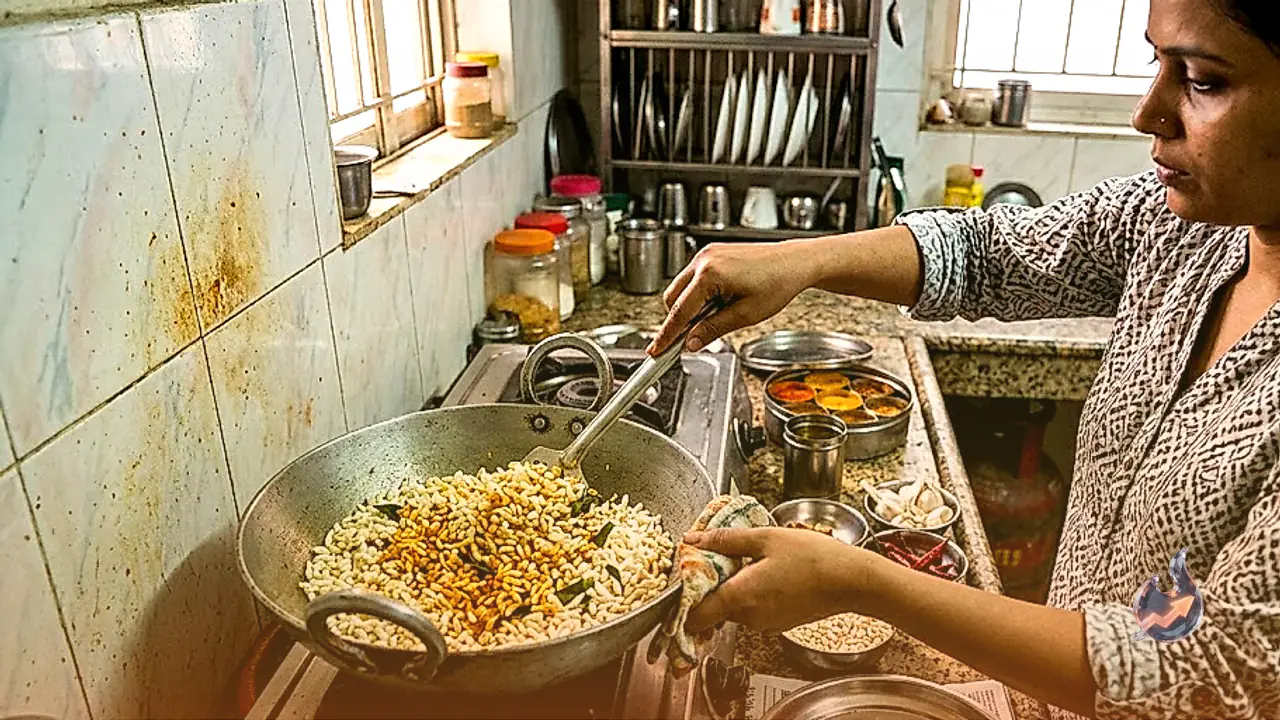
In the same pan, add the remaining oil and bring it to medium heat. Introduce the cumin seeds and bay leaf, allowing them to crackle and release their aroma. Add the finely chopped onions and sauté patiently until they turn an even golden brown. Stir in the ginger-garlic paste and cook for one to two minutes until the raw edge dissipates completely. Next, fold in the tomatoes alongside sliced green chilies. Sprinkle turmeric, red chili powder, coriander powder, cumin powder, and salt into the pan. Cook this mixture gently until the tomatoes break down and oil begins to separate visibly around the edges. Thoroughly frying this spice paste is the crucial stage that determines the body and richness of the final sauce.
Simmering the Gravy to Perfection
Once the masala base releases its oil, pour in approximately two cups of water and stir thoroughly. Bring the liquid to a rolling boil over medium-high heat. You can adjust the quantity of water slightly depending on whether you prefer a thick coating gravy or a thinner consistency for pouring over rice. Gently place the seared eggs into the boiling sauce, lower the flame, and let everything simmer covered for five to seven minutes. This slow simmer allows the inner core of the eggs to absorb the robust curry flavors. Finish by dusting aromatic garam masala over the sauce and giving it a gentle stir.
Garnishing and Pro Cooking Tips
Switch off the heat and scatter fresh chopped coriander leaves across the surface. To make the gravy richer and silkier, blend in a spoonful of cashew paste or a dash of fresh cream while cooking the sauce. A pinch of crushed kasuri methi also introduces an authentic restaurant-style herbal aroma. Finally, let the curry rest covered for around ten minutes before serving, allowing the oil to settle on top and the seasonings to marry fully.