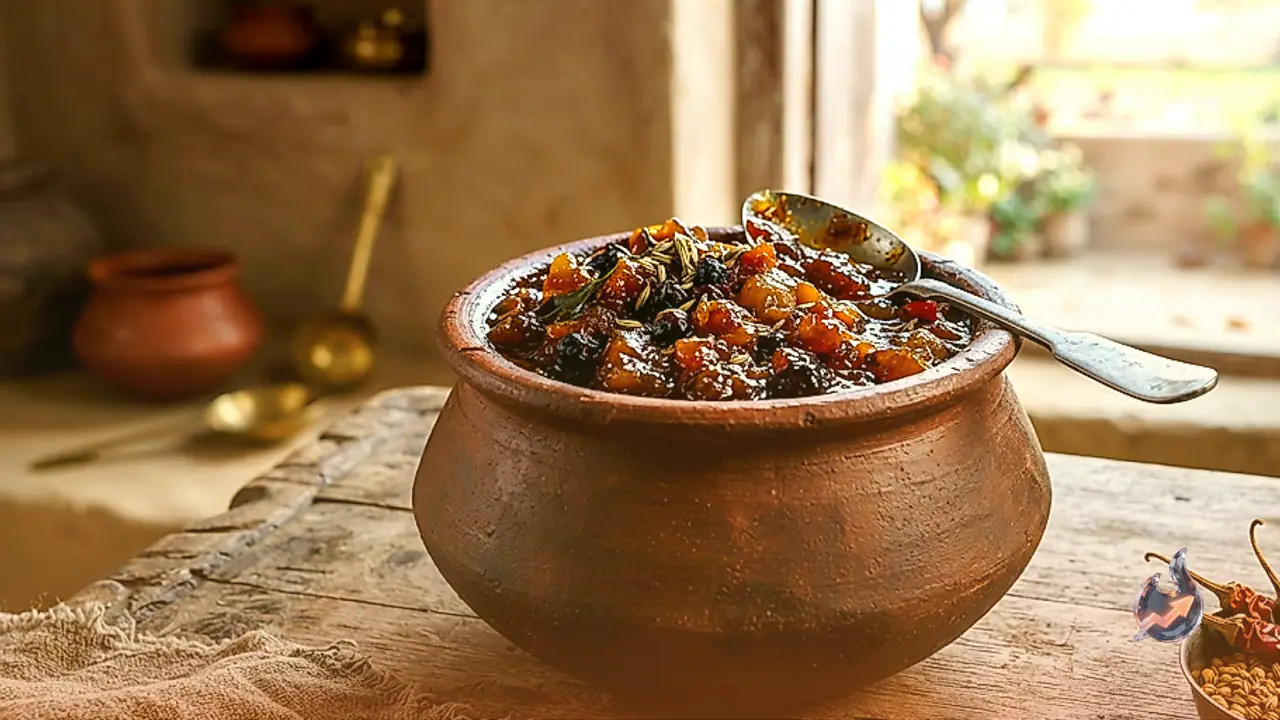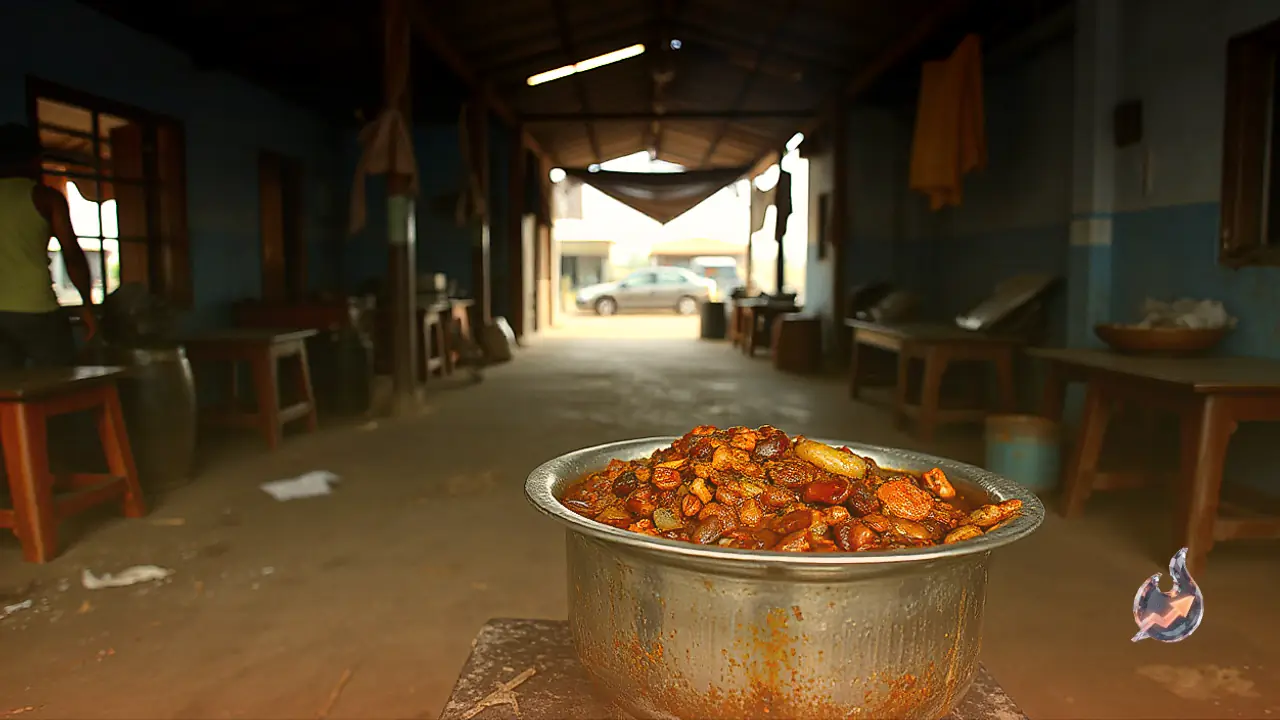

Rajma chawal holds a cherished place on dining tables across India, celebrated for its hearty texture and comforting warmth. Traditional preparations of this iconic red kidney bean curry often rely on generous lashings of butter, desi ghee, or vegetable oil to build a glossy, thick gravy. For individuals managing cholesterol, monitoring caloric intake, or simply seeking lighter everyday meals, traditional recipes can feel overly heavy. Fortunately, eliminating added fats does not mean settling for a watery or bland curry. By adopting a clever pressure-cooking technique combined with steamed vegetable puree, you can achieve a wonderfully thick, aromatic, and spicy rajma without adding a single drop of oil or ghee.
The Secret Behind A Luscious Fat-Free Gravy
The culinary challenge of zero-oil cooking lies in building body and depth without fat carrying the flavors. In this method, everyday vegetables step in to perform that role naturally. A blend of pumpkin, bottle gourd, and carrot provides a velvety base that clings to the beans just like a traditional restaurant gravy. In addition to delivering an indulgent texture, these vegetables enhance the dish with vital dietary fiber, vitamins, and natural sweetness that balances the warmth of whole spices.
List Of Required Ingredients
Gather the following pantry staples and fresh produce before you begin cooking
- Base Ingredients: 250 grams of rajma soaked for 6 to 8 hours, three whole onions roughly sliced, four ripe tomatoes cut into large chunks, two green chillies slit lengthwise, 8 to 10 peeled garlic cloves, and a piece of fresh ginger grated.
- Spices And Seasoning: Two pieces of cinnamon bark, one black cardamom pod, two dried bay leaves, 1 teaspoon cumin seeds, 1 teaspoon salt, half a teaspoon turmeric powder, 1 tablespoon Kashmiri red chilli powder for rich color, 2 tablespoons coriander powder, half a teaspoon garam masala powder, and 3 cups of water.
- Vegetable Puree Essentials: 100 grams pumpkin diced, 100 grams bottle gourd peeled and chopped, 100 grams peeled carrots, warm water as needed for blending, a pinch of roasted kasuri methi powder, and a generous handful of finely chopped fresh coriander leaves.
Initial Cooking In The Pressure Cooker
Begin by thoroughly rinsing the pre-soaked 250 grams of kidney beans under cool running water. Transfer the drained beans into a pressure cooker. Add the roughly chopped onions and tomatoes directly on top of the beans. Toss in the two slit green chillies, the 8 to 10 whole garlic cloves, and the freshly grated ginger.
Next, introduce the whole spices and powders: two cinnamon sticks, one black cardamom, two bay leaves, 1 teaspoon cumin seeds, 1 teaspoon salt, half a teaspoon turmeric, 1 tablespoon Kashmiri red chilli powder, 2 tablespoons coriander powder, and half a teaspoon garam masala. Pour in 3 cups of water and give the mixture a thorough stir so the spices distribute evenly. Secure the pressure cooker lid firmly and set the stove to high heat. Allow the cooker to produce 1 whistle, then immediately reduce the flame to low and let it simmer undisturbed for 15 minutes to soften the beans completely.
Preparing The Nutrient-Dense Vegetable Base
While the pressure cooker does its work, place 100 grams of pumpkin, 100 grams of bottle gourd, and 100 grams of chopped carrots into a steaming basket or tray. Steam the vegetables over medium heat for approximately 12 to 15 minutes, or until a fork easily pierces through them without resistance. Once tender, remove the vegetables from the heat and allow them to cool slightly. Transfer the steamed pieces into a blender jar, add a small splash of warm water, and process until completely smooth and free of lumps.
Simmering To Perfection
Allow the pressure cooker to release its steam naturally before unlocking the lid. Use kitchen tongs to remove and discard the loosened tomato skins along with the spent cinnamon sticks, black cardamom, and bay leaves. The garlic cloves and onions will be thoroughly softened and will melt into the broth with gentle pressing.
Pour the freshly blended vegetable puree directly into the cooker with the tender rajma. Stir thoroughly to incorporate the golden puree into the spiced curry. Turn the stove back onto medium heat and allow the curry to simmer gently for 10 to 12 minutes, stirring every couple of minutes to prevent the thick sauce from catching at the bottom. As it bubbles, the gravy will turn noticeably rich and fragrant. Conclude by stirring in an extra dusting of garam masala, a pinch of roasted kasuri methi powder, and a handful of freshly chopped coriander leaves. Serve hot alongside steamed basmati rice or fresh chapatis.