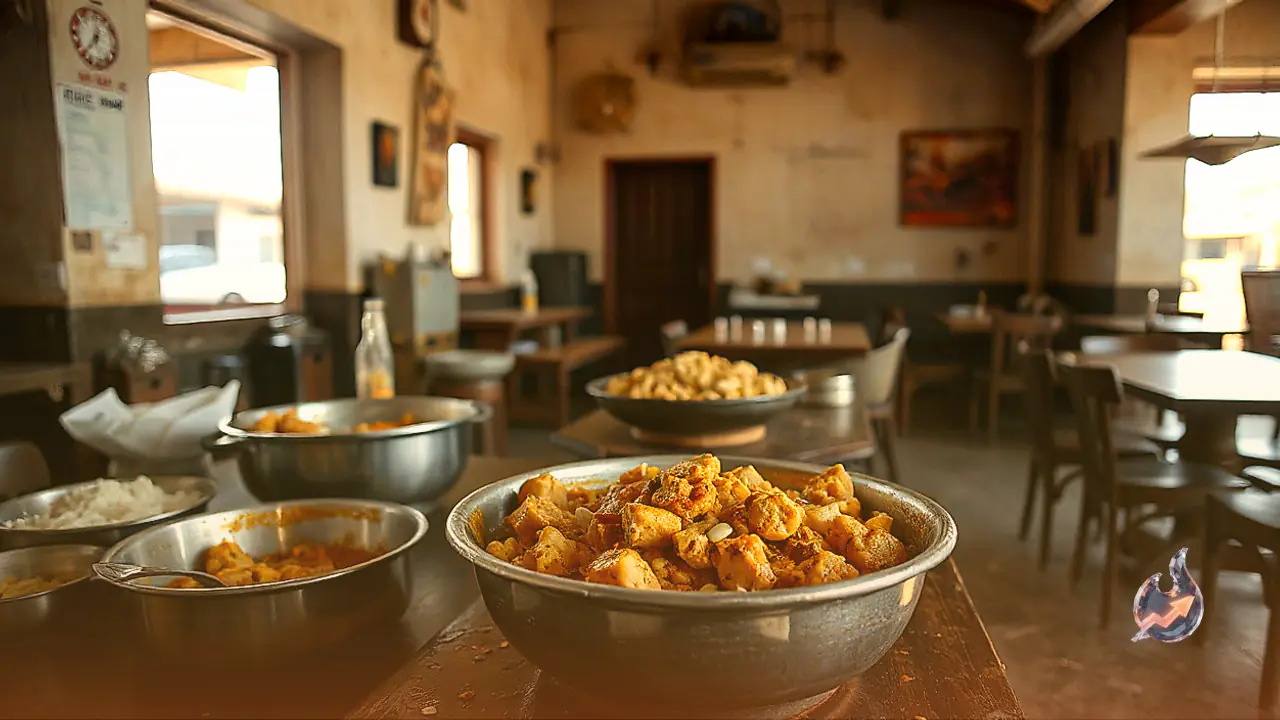

Whenever cottage cheese is purchased for a special meal at home, traditional recipes like matar paneer, kadhai paneer, or paneer butter masala inevitably take center stage. While these classic North Indian dishes are undeniably comforting and flavorful, breaking the routine with something distinctly aromatic can elevate home dining to another level. Paneer Amritsari presents an outstanding alternative that brings the hearty, rustic culinary heritage of Punjab directly to your kitchen table. The signature technique that sets this preparation apart from everyday curries is the initial spice coating applied directly onto the paneer cubes before they meet the gravy. By searing the seasoned paneer separately, every morsel absorbs intense savory notes from within, preventing the bland center often found in rushed preparations. When these golden cubes are gently incorporated into a smooth onion, tomato, and cashew gravy, the depth of flavor becomes truly extraordinary.
Many home cooks mistakenly believe that achieving a restaurant-like velvety texture requires heavy pours of cream and excessive fat. However, this balanced Amritsari preparation relies on a small handful of cashews and properly caramelized onions and tomatoes to create its rich, glossy body. Whole whole spices provide an intoxicating background aroma, while a measured pat of butter and crushed dried fenugreek leaves deliver an unmistakable restaurant quality finish. Success depends on two non-negotiable cooking rules: avoiding the urge to over-fry the paneer cubes, which strips them of moisture, and cooking down the tomato base patiently until the raw acidity completely dissipates. Served piping hot alongside tandoori roti, garlic naan, flaky parathas, or steamed basmati rice, this dish fits seamlessly into casual weekend family dinners or formal home gatherings.
Complete List of Ingredients and Flavor Profiling
Crafting this flavorful curry requires standard pantry staples combined with traditional Indian whole spices. Preparing and measuring everything in advance ensures smooth execution without the risk of scorching spices during the cooking process.
- Core Protein & Vegetables: 350 grams fresh paneer, one medium yellow or red onion, and four medium ripe red tomatoes.
- Fresh Aromatics: Five to six garlic cloves, a one-inch piece of fresh ginger, two fresh green chillies, and one teaspoon of smooth ginger-garlic paste.
- Whole Spices: Two dried red chillies, two whole cloves, eight to nine whole black peppercorns, one black cardamom pod, two green cardamom pods, and half a teaspoon of carom seeds.
- Ground Spices: Half a teaspoon of turmeric powder, one teaspoon of red chilli powder, one teaspoon of coriander powder, half a teaspoon of roasted cumin powder, half a teaspoon of aromatic garam masala, and fine table salt according to taste.
- Fats & Enrichment: Two tablespoons of dairy butter, two tablespoons of neutral cooking oil, five to six raw cashews, one tablespoon of fresh cooking cream, and one teaspoon of dried fenugreek leaves.
Step One: Cutting and Marinating the Paneer
The journey begins with handling the 350 grams of fresh paneer properly. Cut the block into neat, uniform medium-sized cubes. Cutting them evenly is essential so that each piece cooks at the same rate and absorbs spices equally without crumbling during pan searing. Take a broad mixing bowl and add one teaspoon of prepared ginger-garlic paste. To this paste, introduce a small portion of the measured ground spices: a pinch of turmeric powder, a light dusting of red chilli powder, a little coriander powder, and a sensible pinch of salt.
Mix these seasonings into a concentrated paste using a small spoon. If the blend feels overly dry or crumbly, incorporate just one teaspoon of clean water to loosen the consistency into a workable rub. Gently transfer the cut paneer cubes into the bowl. Using your fingertips or a silicone spatula, toss the paneer very carefully so every face of every cube receives a delicate coating of spiced paste. Avoid forceful stirring because fresh paneer is tender and prone to breaking. Once thoroughly coated, cover the bowl and set it aside to rest for ten to fifteen minutes. This brief resting period allows the aromatics to penetrate the exterior layers of the paneer while you begin assembling the gravy.
Step Two: Tempering Whole Spices and Sautéing Base Aromatics
To construct the aromatic foundation of the gravy, place a heavy-bottomed pan or kadhai over medium flame. Pour in a splash of oil alongside half of the butter. Blending cooking oil with butter is a professional technique that raises the smoking point, preventing the delicate milk solids in the butter from burning and turning bitter. Once the fat melts and heats up, add the whole spices: one black cardamom pod, two green cardamom pods, two cloves, and eight to nine black peppercorns. Stir them gently for a few seconds until the spices release their volatile oils and emit a welcoming fragrance.
Immediately add the roughly chopped onion, five to six peeled garlic cloves, sliced ginger, slit green chillies, and two dried red chillies. Take half a teaspoon of carom seeds, crush them lightly between your palms, and scatter them directly into the pan. Crushing carom seeds fractures their outer husk, unlocking a pungent, herbal brightness that defines authentic Amritsari culinary tradition. Sauté this mixture over medium flame until the onions turn soft, translucent, and slightly golden at the edges. Regulate the heat attentively to ensure the garlic cloves and whole spices do not scorch, as burned garlic imparts an acrid flavor that easily ruins an entire batch of gravy.
Step Three: Softening the Tomatoes and Cashews
Once the base aromatics are tender, introduce the four chopped tomatoes into the pan along with five to six cashews. Sprinkle in a light pinch of salt, which draws moisture from the tomatoes and accelerates their breakdown. Mix everything thoroughly so the tomatoes come into direct contact with the hot butter and oil. Cover the pan securely with a tight-fitting lid and reduce the flame to medium-low.
Allow the ingredients to simmer under the lid, lifting it every few minutes to stir and ensure nothing catches at the bottom. If the mixture appears too dry before the tomatoes break down, splash in two tablespoons of water. Continue cooking until the tomatoes transform completely into a soft pulp that yields effortlessly beneath the back of a wooden spoon. The cashews will simultaneously hydrate and soften in the acidic tomato steam. Do not cut this step short simply because the tomato skins change color; prolonged simmering removes the sharp raw acidity of the tomatoes, creating a well-rounded sweet and tangy flavor base.
Step Four: Cooling and Blending the Gravy to Silkiness
When the tomatoes and cashews are completely softened, extinguish the heat and pull the pan off the burner. Allow the contents to cool down completely to ambient room temperature. It is critical never to process hot mixtures in an airtight blender jug, as trapped thermal steam can forcefully blast the lid off and cause severe kitchen burns. Once cool, sift through the mixture and retrieve the tough black cardamom shell, the whole cloves, and any easily visible peppercorns. Their deep aromatic essence has already infused into the fat, and removing their fibrous husks prevents gritty, biting surprises in the final texture.
Transfer the cooled onion, tomato, and cashew mixture into a blender jar. Pour in just enough fresh water to facilitate smooth blades movement and blend the mixture until it becomes completely smooth, uniform, and velvety. The softened cashews emulsify with the cooked vegetables, producing a naturally creamy texture. If you desire an ultra-refined, restaurant-style finish, you can pass this pureed sauce through a fine-mesh sieve to eliminate any microscopic remnants of tomato skin or seeds. For everyday home cooking, however, a thorough blend in a high-powered mixer yields an exceptional consistency on its own.
Step Five: Lightly Searing the Marinated Paneer
Set a clean non-stick skillet or shallow frying pan over medium heat and warm up a light drizzle of oil. Carefully lay the marinated paneer cubes across the pan surface in a single layer without overcrowding. Maintain a steady medium-low flame. Because the cubes are coated in powdered spices and ginger-garlic paste, excessive heat can quickly burn the outer seasoning before the paneer warms through.
Allow the bottoms of the paneer cubes to develop a light golden blush, then gently flip each cube using kitchen tongs or a flat spatula. Sear the opposite side just enough to eliminate the raw taste of the spice paste. It is unnecessary to brown all four sides deeply. Overcooking paneer pulls out its inherent moisture, leaving the protein dense, rubbery, and tough to chew. Once a delicate golden crust forms, transfer the paneer cubes onto a clean plate immediately and keep them covered nearby while you finalize the sauce.
Step Six: Simmering the Base and Balancing Consistency
Return your main cooking kadhai to the stove over medium heat and warm the remaining oil and butter. Once melted, pour the blended silky puree into the pan. Stir continuously over medium-low heat as the sauce begins to bubble gently. Now incorporate the remaining ground spices: the rest of the turmeric powder, red chilli powder, coriander powder, and roasted cumin powder. Check the seasoning and adjust the salt level as necessary.
Cook the gravy gently, stirring frequently to keep the cashew-rich sauce from sticking to the pan bottom. If the mixture bubbles too vigorously or thickens prematurely, drizzle in a spoonful of hot water. After several minutes of patient simmering, the raw scent of the dry spices will dissipate, replaced by a rich buttery aroma, and faint droplets of oil will begin glistening along the outer perimeter of the gravy. This oil separation confirms that the spices are fully cooked. Slowly whisk in warm water until you achieve a rich, coating consistency. Avoid cold water, which stalls the cooking process. The gravy should cling luxuriously to a spoon, thick enough to adhere to paneer cubes yet fluid enough to be scooped up effortlessly with flatbreads.
Step Seven: Combining Paneer, Fenugreek, and Fresh Cream
With the seasoned gravy bubbling steadily on a gentle simmer, slide the pan-seared paneer cubes into the pan. Stir carefully with a wide wooden spoon, ensuring each cube is cloaked in the sauce without fracturing. Let the paneer simmer undisturbed on low heat for two to three minutes so the pores of the cottage cheese absorb the savory notes of the curry.
Take one teaspoon of dried fenugreek leaves, warm them briefly on a dry skillet to bring out their aroma, crush them finely between your palms, and shower them over the dish. Sprinkle in half a teaspoon of garam masala for an aromatic lift. Finally, spoon in one tablespoon of fresh cream or whisked homemade malai, gently folding it into the gravy until uniformly distributed. Never allow the dish to boil aggressively after adding cream, as intense heat can cause dairy fat to split and turn the sauce greasy. Sample a spoonful of gravy to verify salt and tanginess. Since four tomatoes were utilized, any pronounced tartness can be mellowed by letting the gravy rest, or by adjusting the tomato quantity slightly in future preparations to match your personal palate.
Resting Period and Serving Recommendations
Turn off the stove once the flavors harmonize. Do not serve the dish immediately; instead, cover the pan with its lid and allow it to rest undisturbed for two to three minutes. This resting interval allows residual heat to settle the flavors and permits the rendered butter and spice oil to rise gracefully to the surface, creating an appetizing restaurant-style sheen known as rogan. Remove the lid and garnish the finished dish with freshly chopped cilantro leaves.
Serve Paneer Amritsari hot alongside freshly baked butter naan, tandoori rotis, layered lachha parathas, or a bowl of fragrant cumin rice. From chopping aromatics and infusing spices to cooling, blending, and simmering, the complete cooking process requires approximately 35 to 45 minutes. Approaching each phase with patience, controlling stove temperatures attentively, and treating the paneer gently transforms basic household ingredients into a memorable North Indian feast.