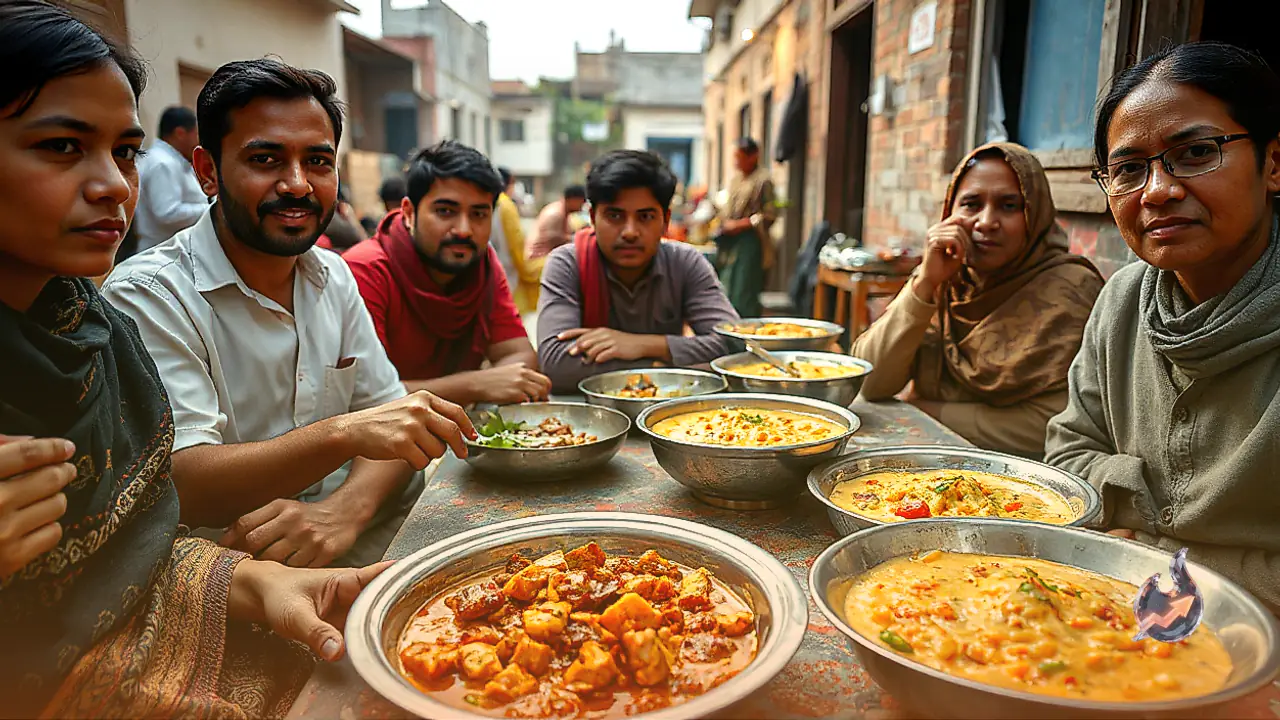























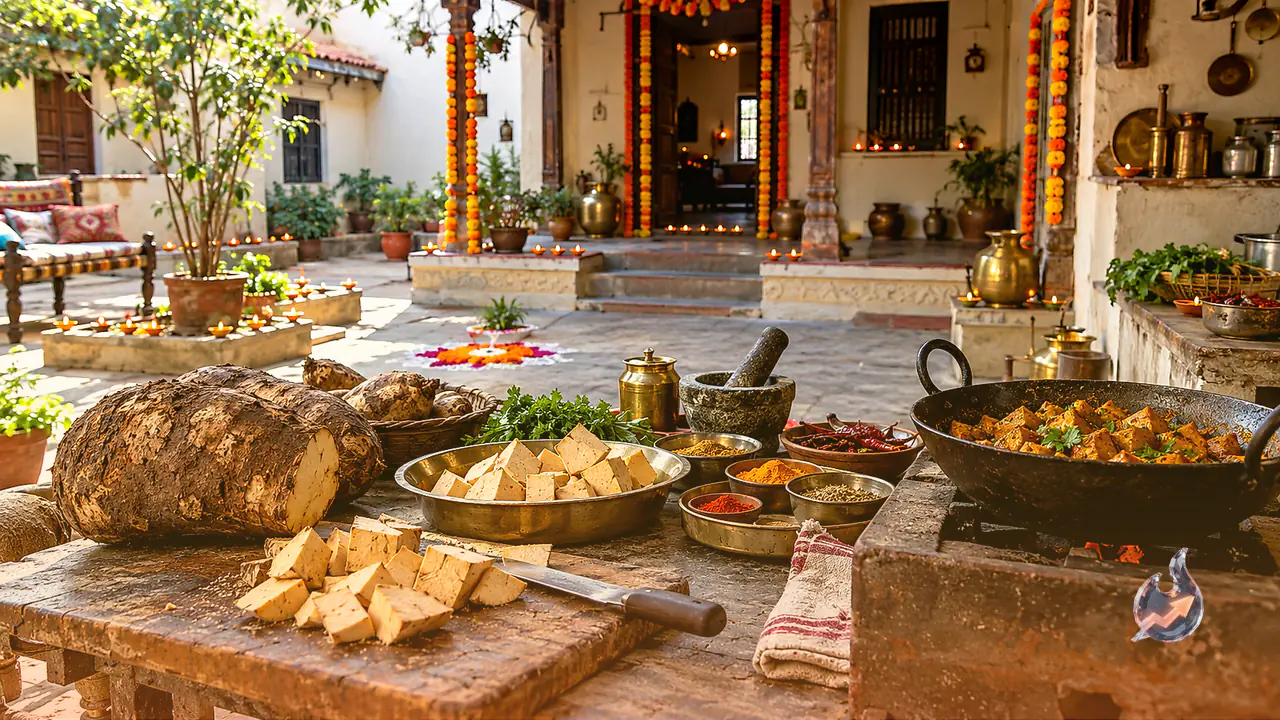

Festive traditions across India are deeply intertwined with seasonal culinary wisdom. In regions like Uttar Pradesh and Bihar, preparing elephant foot yam, commonly known as suran or jimikand, on Diwali night is a cherished tradition. Beyond its earthy flavor and substantial texture, this root vegetable serves a practical health purpose during seasonal transitions. As cooler weather sets in, the human body often experiences imbalances in internal elements, and the exceptionally high fiber content in yam helps restore digestive harmony and physical balance.
Prepping the Yam to Prevent Skin Irritation
Handling raw yam frequently causes sharp itching on the palms due to naturally occurring oxalates. To handle the vegetable without discomfort, thoroughly coat your hands with a small quantity of oil before beginning. Failing to apply oil will inevitably trigger annoying skin itchiness. Strip the rough outer skin completely, then place the cleaned yam into a bowl of plain water for a short soak. Cut the flesh into uniform, medium-sized cubes. Depending on your preference, you can boil these chunks briefly or fry them directly in hot oil. Using mustard oil for shallow or deep frying imparts the most authentic and robust flavor profile. Heat the mustard oil in a heavy pan until hot, add the cubed yam, fry until lightly browned and crisp, and transfer the pieces to a plate.
Building the Gravy Base with Whole Spices and Pastes
A satisfying curry depends entirely on layering the aromatics, which starts with two separate preparations. In the first grinder jar, blend peeled garlic, fresh ginger, and green chilies into a uniform paste. In the second, puree ripe tomatoes until completely smooth. In the cooking pan, retain the residual cooking oil and supplement it with one tablespoon of fresh oil over medium flame. Once sizzling, temper the base with bay leaf, two black cardamoms, a cinnamon stick, and whole cumin seeds. As the whole spices release their fragrance, stir in the freshly made ginger, garlic, and chili paste, sautéing until raw aromas dissipate. Add finely chopped onions next, allowing generous quantities to build a sweet and full-bodied gravy structure.
Balancing Powdered Spices and Simmering
When the chopped onions shift to a softened, light golden tone, pour in the tomato puree. Immediately season the pan with one teaspoon of coriander powder, half a teaspoon of cumin powder, half a teaspoon of black pepper powder, and one tablespoon of Kashmiri red chili powder to impart a vibrant red shade. Add one teaspoon of ground turmeric, one teaspoon of spicy red chili powder to provide warmth, and one teaspoon of aromatic garam masala. Stir everything until evenly distributed, cover the vessel with a tight lid, and let the gravy cook for 2 to 3 minutes until oil droplets separate on top. Once this masala base is thoroughly cooked, gently fold in the fried yam pieces.
Final Tempering with Citrus and Fresh Herbs
Season the mixture with one teaspoon of salt, gently stirring to ensure the thick sauce clings to every single piece of yam. Cover and cook over low heat for another two to three minutes so the vegetable absorbs the spicy base. Once the yam settles properly into the sauce, pour in adequate water to establish your preferred gravy consistency, and simmer for two to three minutes. Right before removing the vessel from the burner, stir in half a teaspoon of freshly squeezed lemon juice. The natural acidity instantly neutralizes the remaining compounds that cause a scratchy sensation in the mouth or throat. Scatter a handful of chopped coriander leaves across the top, and your rich, flavorful jimikand curry is ready to accompany hot breads or rice.