




















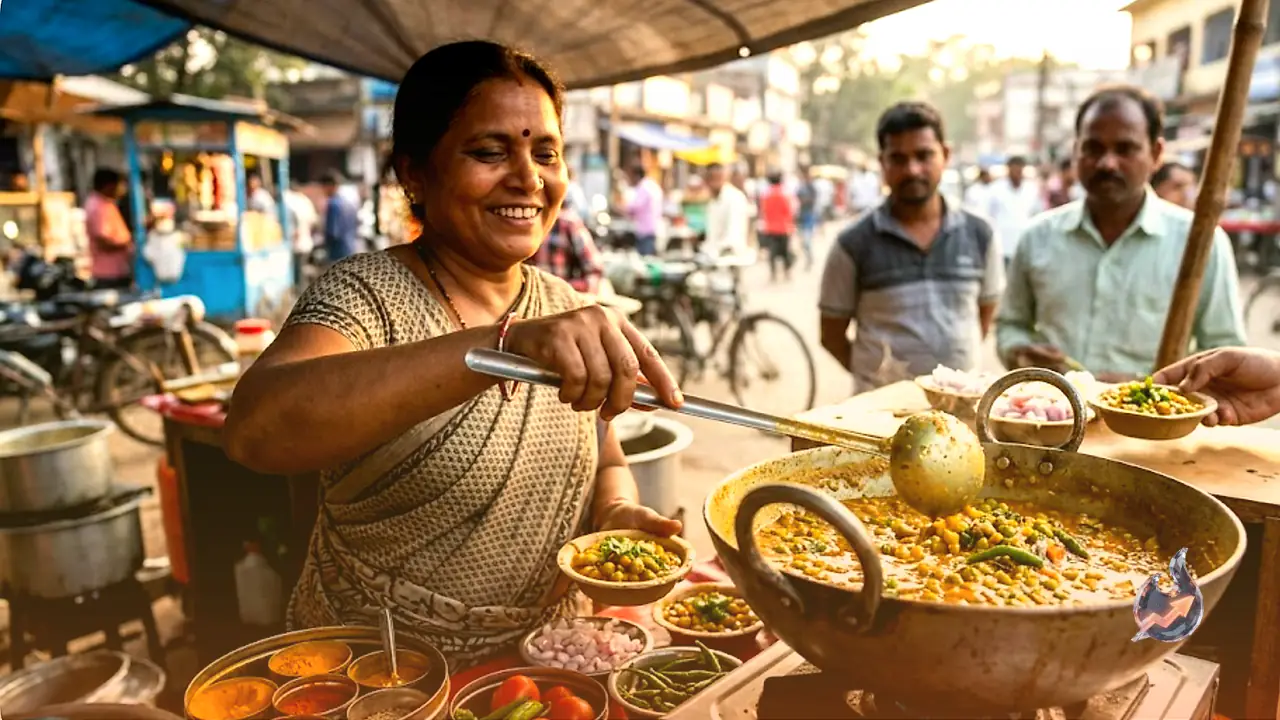

Jharkhand has long favoured simple, homely food, and white pea ghughni is a perfect example of that tradition. This dish comes together in almost any kitchen and recreates the exact flavour of the curry sold on street carts, right at home. It is eaten at breakfast, lunch or with evening tea, and pairs equally well with roti, paratha, poori, rice or puffed rice known locally as muri. What makes it even more special is that it is packed with protein, so it works as well for health as it does for taste.
Soaking and boiling the peas
Making ghughni starts with buying white peas from the market and washing them thoroughly in clean water. After washing, the peas need to soak in a large vessel of water for about 5 to 6 hours, or overnight. This long soak lets the peas swell up properly so they cook faster later. Once the peas have swelled fully, the water is drained off and the peas go into a pressure cooker with water as needed and a little salt. They are then cooked through with 4 to 5 whistles.
Building the real flavour with onion, ginger garlic and tomato
Once the peas are boiled, it is time to prepare the actual masala. Two to three spoons of mustard oil are heated in a pan. As soon as the oil is hot, asafoetida and cumin seeds go in, releasing a distinct aroma. Finely chopped onion is added next and fried until it turns golden. Ginger garlic paste follows, stirred for a while to cook off its raw smell. Finely chopped tomatoes are then added and cooked until soft. Once this masala is well roasted, turmeric powder, red chilli powder, coriander powder and salt to taste are mixed in thoroughly.
Combining the boiled peas with the masala
The masala is ready the moment oil starts separating from it. At this point, the boiled white peas are added in. The peas need to be mixed well with the masala so that every grain picks up its flavour. Anyone who prefers a slightly gravy-like ghughni can add a little hot water at this stage. The mixture is then left to simmer on low heat for 5 to 10 minutes. Finally, garam masala and finely chopped coriander leaves are added before the flame is switched off.
How it is served and what lifts the flavour further
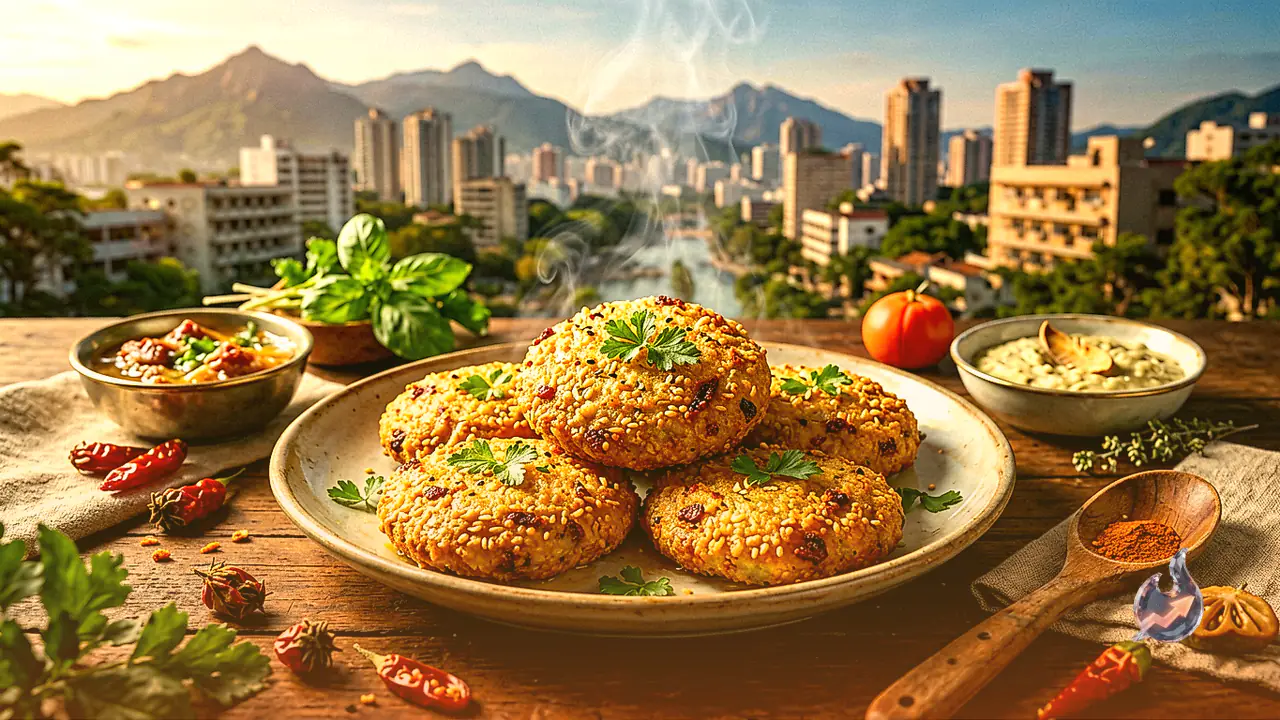
The finished white pea ghughni is plated up and topped with a little chopped onion, green chilli, coriander leaves and a squeeze of lemon juice, which lifts the taste even more. In many Jharkhand households, this dish is a favourite companion from morning breakfast right through to evening tea.
A low cost dish that stays healthy and popular
What stands out about white pea ghughni is that it needs very few ingredients or money to make, and the method itself is simple. That is exactly why the dish continues to be a top choice for people even today. Anyone looking to cook something tasty and nutritious at home can consider white pea ghughni a great option to try.