























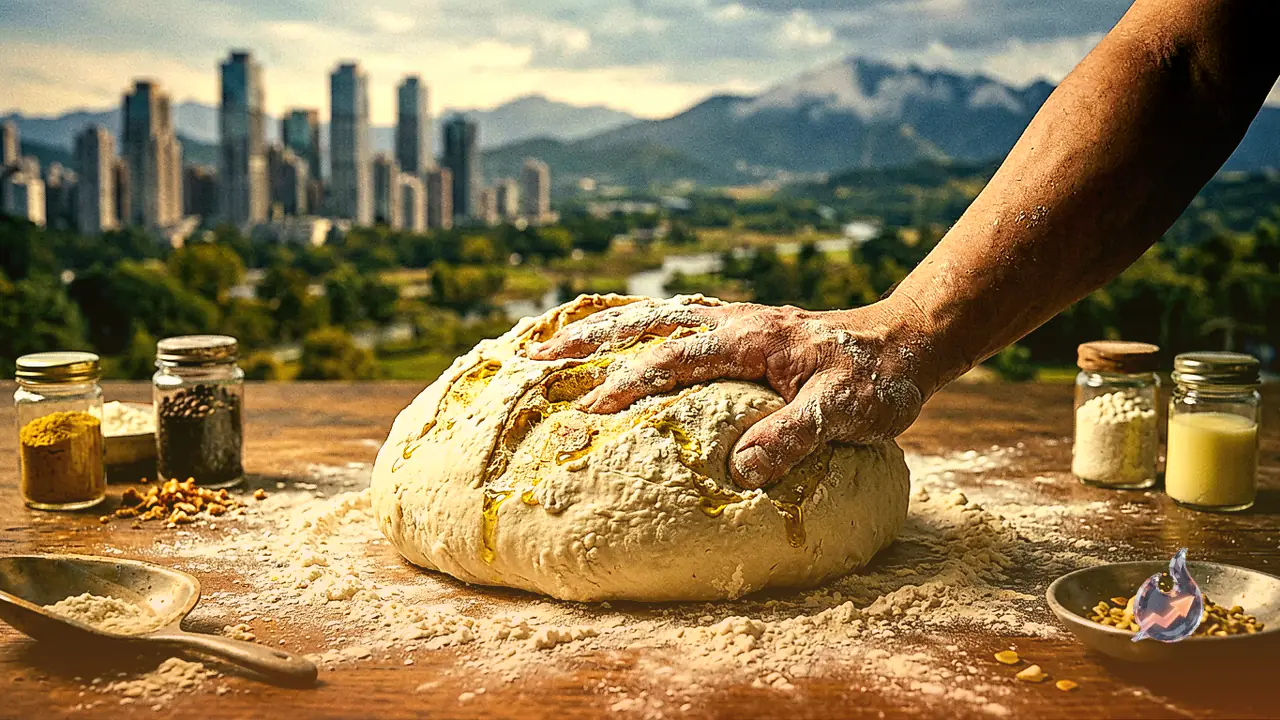

Indian households have long relied on traditional culinary practices that continue to be widely followed today. One such age-old method involves mixing a small amount of oil or ghee directly into the flour while kneading. This effective cooking technique helps achieve a perfectly smooth dough and ensures that your flatbreads remain soft for extended periods, offering several practical benefits to everyday meal preparation.
Key Benefits of Adding Oil While Kneading Dough
Incorporating a teaspoon of oil or ghee into your flour mixture results in exceptionally soft and puffed-up rotis. The oil forms a light coating over the flour particles, preventing the dough from turning overly stiff and controlling excess gluten development. When you place a flatbread made from this prepared dough onto a hot griddle, it puffs up easily and yields a wonderful texture.
Rotis prepared with oil-infused dough stay fresh for a significantly longer duration. Because the oil locks in moisture, the flatbreads do not dry out quickly. This makes them ideal for school lunchboxes or long journeys, remaining soft and pliable hours later without turning hard or brittle.
Furthermore, adding oil simplifies the actual kneading process. It stops the flour from sticking excessively to your hands, creating a smooth and pliable dough that is much easier to roll out. Flatbreads and puris made from this mixture do not cling stubbornly to the rolling board or pin, ensuring a seamless cooking experience.
Finally, a touch of oil or ghee enhances both the taste and appearance of your rotis and parathas. It imparts a subtle crispness and a rich flavor profile. When roasted on the flame, they achieve a delightful golden hue and retain a pleasing moisture level rather than becoming dry and cardboard-like.
How to Knead Soft Dough Properly
To achieve the softest texture, always use lukewarm water rather than cold water, which tends to make the dough firm. Warm water helps the flour absorb moisture efficiently and increases elasticity. Mixing one to two spoonfuls of oil or ghee eliminates dryness, prevents sticking, and allows for thorough kneading. Freshly kneaded dough often results in cracked edges and stiff flatbreads, so it is best to cover the prepared dough and let it rest for fifteen to twenty minutes before rolling out your rotis.