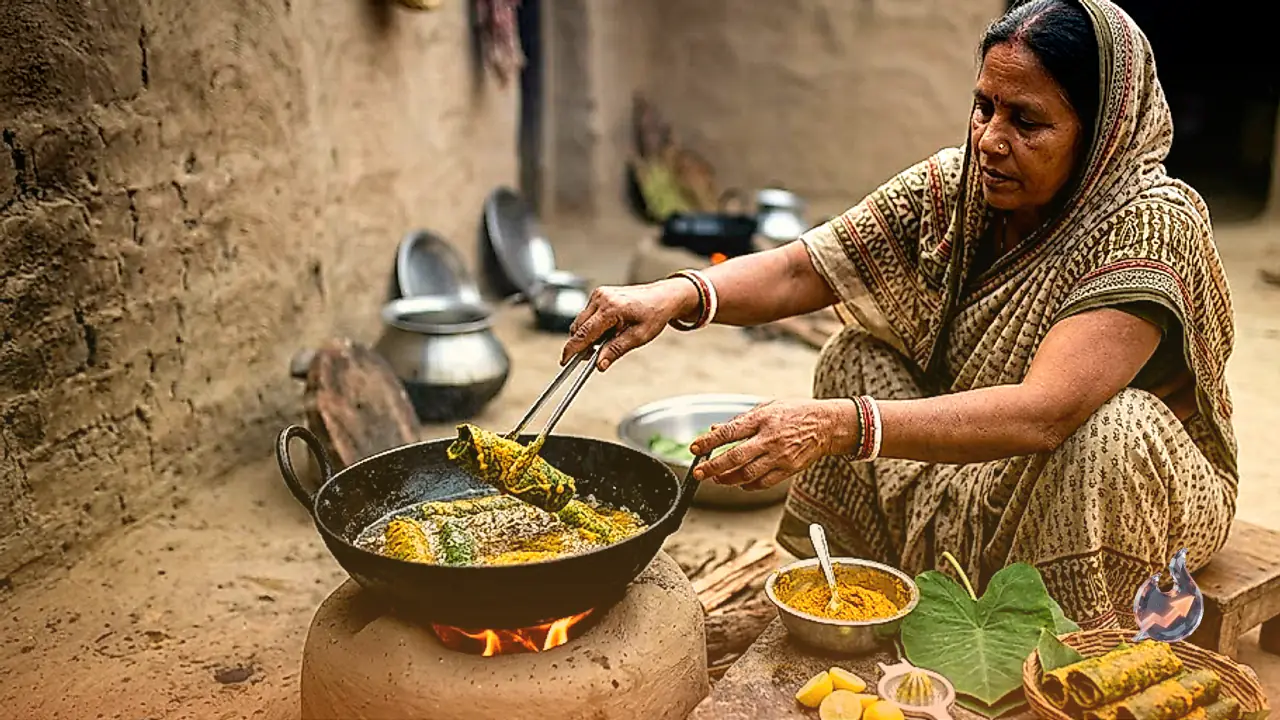























A fresh batch of piping hot fritters pairs naturally with evening tea, yet home cooks frequently struggle with how quickly they lose their texture. Fritters often emerge from the hot oil with an appealing crispness, only to turn soggy and limp within minutes of resting on a serving platter. Preventing this loss of crunch does not require complex cooking methods, but rather a few precise adjustments to the batter composition and frying technique.
Incorporating Rice Flour Into the Batter
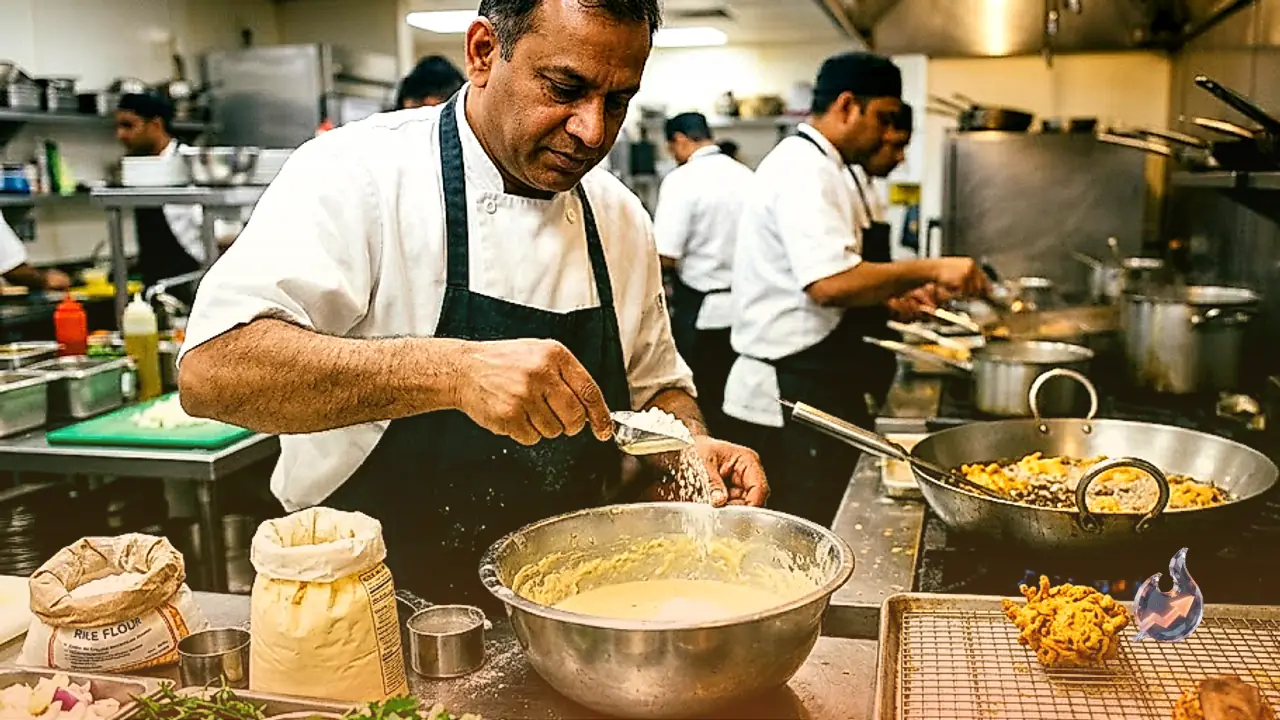
The primary secret to achieving an enduring crunch lies in introducing rice flour into the standard chickpea or gram flour base. Rice flour creates a firmer exterior shell during cooking that resists moisture absorption. For every single cup of gram flour used, adding roughly two to three tablespoons of rice flour provides the ideal structural balance. This measurement can be slightly increased or decreased depending on individual texture preferences and batch sizes.
Balancing Seasonings and Liquid Ratio
To begin preparation, place the measured gram flour into a mixing bowl and incorporate the rice flour. Blend in salt according to taste, followed by a light dusting of red chilli powder, ground turmeric, and a pinch of asafoetida. Water must be poured gradually while whisking to control the batter thickness. Achieving the exact consistency is vital. If the mixture is excessively watery, it slides off chopped vegetables without adhering; if mixed too thick, the fritters turn dense and doughy. The goal is a smooth coating that evenly clings to each ingredient.
Regulating Oil Heat and Frying in Batches
While some culinary advice suggests pouring sizzling oil straight into the raw batter, sustaining an accurate frying temperature in the pan is far more decisive for crispness. Furthermore, freshly mixed batter delivers superior results when fried immediately rather than after prolonged resting on the countertop. Oil temperature determines oil absorption and frying speed. Cooking in oil that is insufficiently hot forces the fritters to absorb excessive grease, making them heavy and soft. Conversely, frying in overheated oil rapidly scorches the outer shell while leaving the inner batter raw.
Maintain the heat within a medium to medium-high window throughout frying. Avoid crowding the pan with too many pieces at one time, as overloading causes the oil temperature to plummet abruptly. Frying in small, organized batches guarantees even heat distribution across every fritter.
Ventilating After Frying to Prevent Steam Buildup
Never cover freshly fried fritters immediately after removing them from the cooking vessel. Trapped condensation from rising steam rapidly softens the crisp exterior, turning the crust damp. Instead, transfer the cooked pieces directly onto an open wire rack or an uncovered plate, allowing excess oil to drain freely and hot vapour to dissipate into the air.