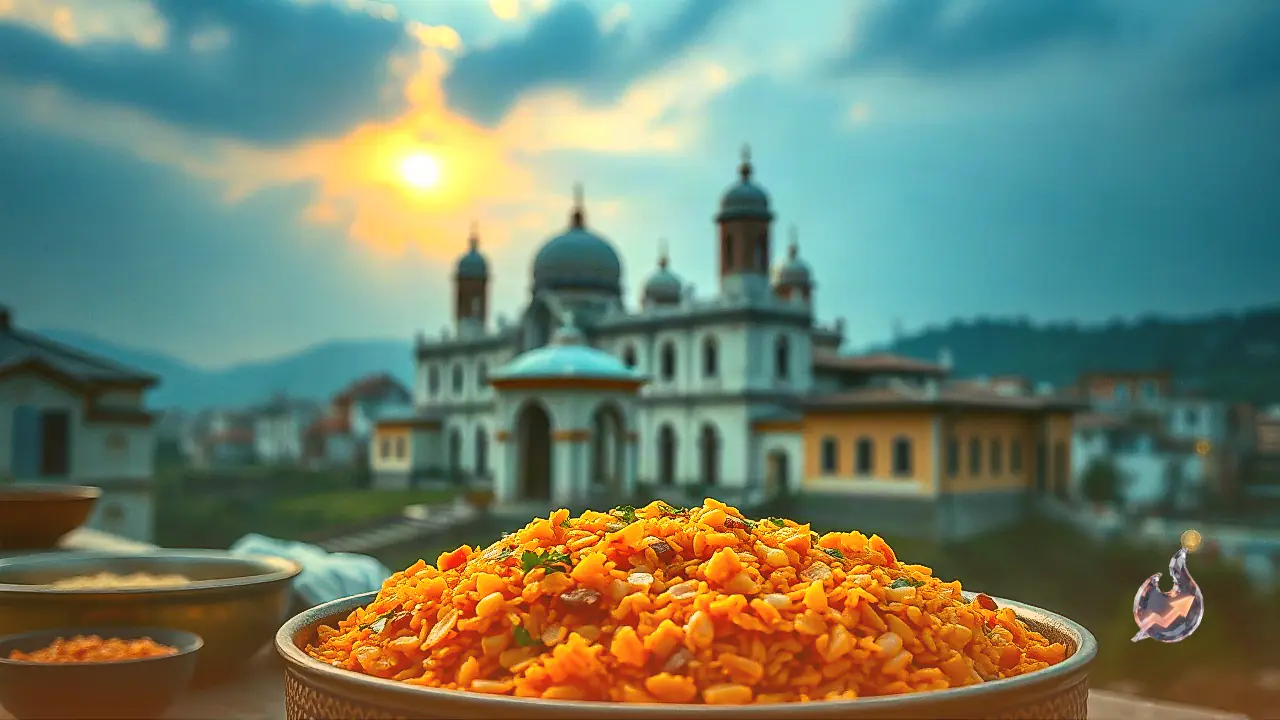























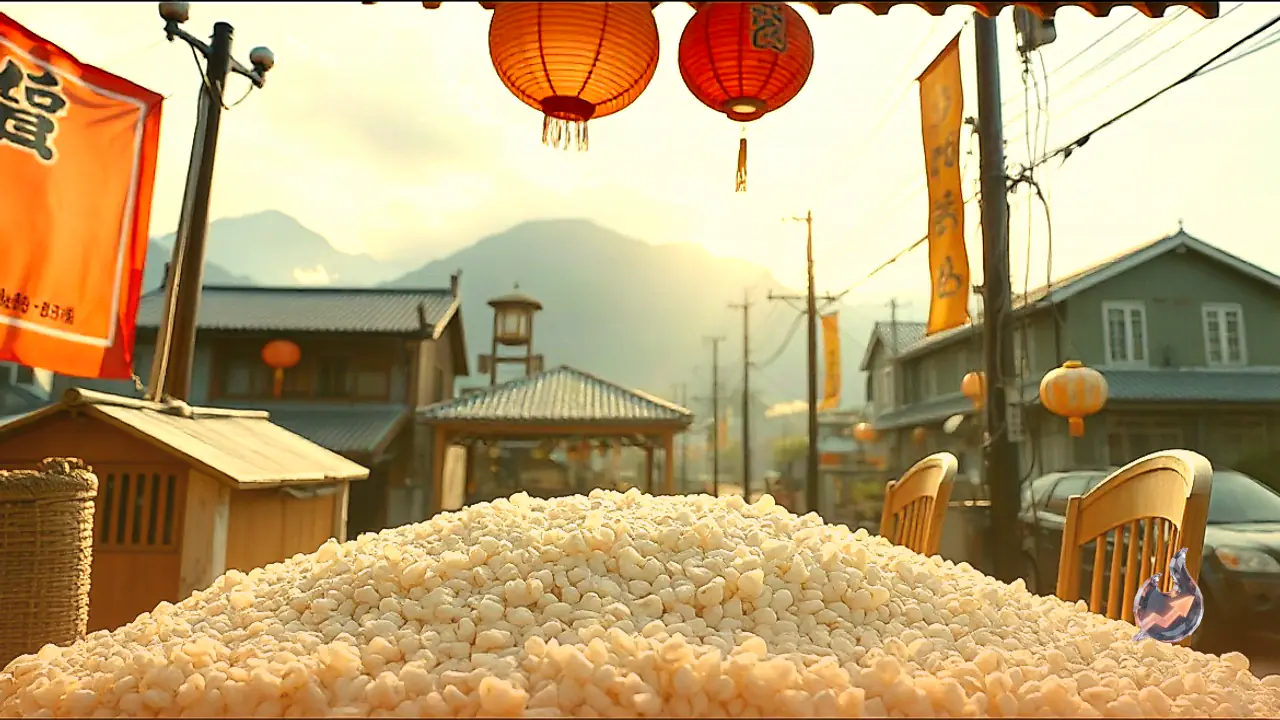

During fasting periods like Navratri, tapioca pearl pilaf, widely known as sabudana khichdi, ranks among the most preferred dietary choices. Celebrated for being gentle on the stomach and quick to digest, this traditional recipe combines roasted peanuts, crisp green chilies, and fragrant seasonings to create a quintessential festive treat. Despite its widespread popularity across Indian households, home cooks frequently struggle with the pearls clumping together into a sticky mass in the pan.
The Root Cause of Clumping and Proper Rinsing
A gummy texture completely ruins both the appearance and the appetizing appeal of this dish. The primary culprit behind this culinary mishap is an improper soaking procedure. Submerging the pearls in excessive water causes them to turn overly soft and mushy, making them break down and cling to one another as soon as heat is applied in the cooking vessel.
Achieving a fluffy, non-sticky consistency begins right at the preparation stage with thorough rinsing. Washing the tapioca pearls gently under running water two to three times removes excess surface starch. Eliminating this superficial powdery starch layer is crucial because it significantly reduces the stickiness that occurs when the pearls begin to cook.
Controlling Moisture Levels and Resting the Pearls
After rinsing, adjusting the water volume requires strict attention. Unlike rice, tapioca pearls must never be submerged in deep water. You should only pour in just enough liquid for the dry grains to absorb slowly over time. Flooding the bowl with too much water compromises their structural integrity, turning the final dish soggy.
Once the soaking process is complete, inspect the bowl closely. If any standing water remains at the bottom, drain it out completely without delay. Leaving the drained pearls undisturbed for a short resting period allows the internal moisture to distribute evenly throughout each grain, preserving their firm shape and natural texture.
Testing Readiness and Essential Pan Techniques
Determining whether the soaked tapioca is ready for the heat should never rely entirely on counting the elapsed hours. A practical tactile test offers far more certainty: pick up a single soaked pearl and press it gently between your thumb and forefinger. If it yields smoothly and mashes without a hard, uncooked core at the center, the batch is ready for the pan.
While cooking the khichdi, resist the temptation to stir the pan repeatedly. Continuous stirring breaks the delicate outer layer of the grains, releasing trapped starch directly into the pan and causing immediate clumping. Stir only when strictly necessary, using light and gentle motions. Finally, blending in freshly roasted and coarsely ground peanuts near the end serves a dual purpose: the crushed peanuts help absorb residual steam while infusing the dish with an irresistible nutty flavor and a satisfying crunch.