






















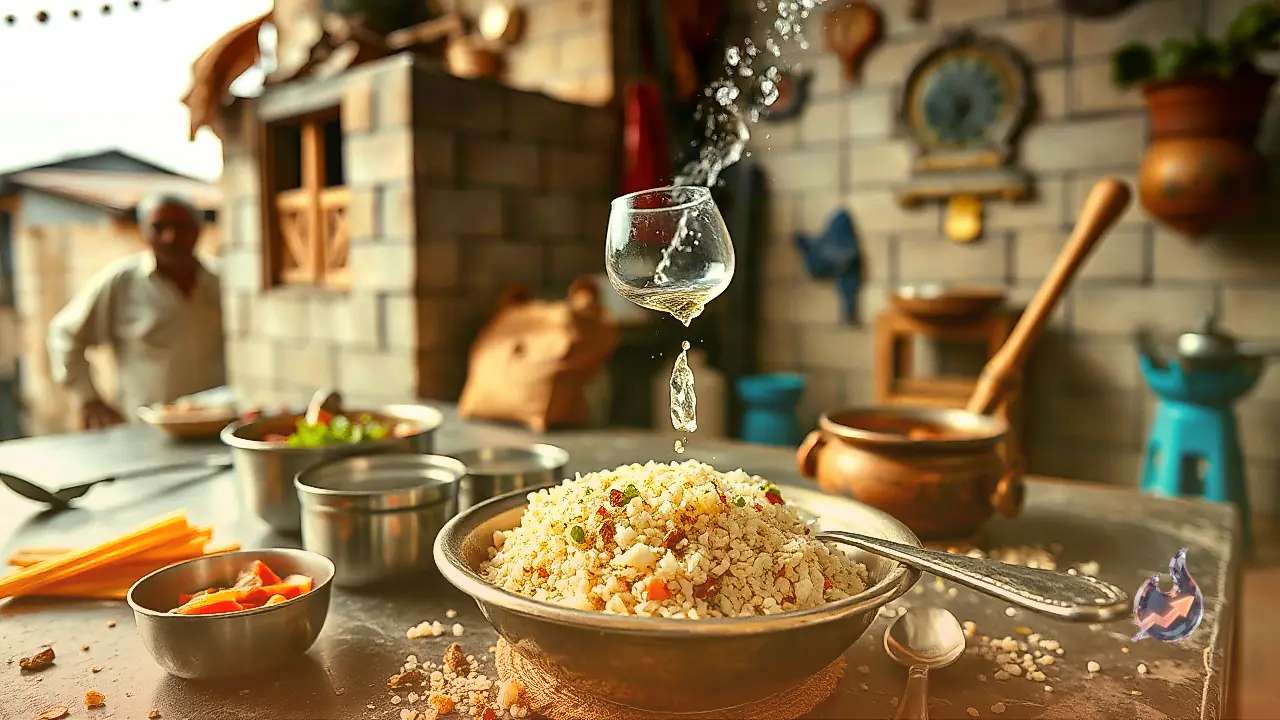

Sabudana Khichdi holds a cherished position in Indian culinary traditions, functioning both as a revered dish during religious fasting periods and as a comforting light breakfast option on regular weekdays. Celebrated for its delicate flavor and quick preparation, it is commonly consumed during festivals like Navratri, Ekadashi, and Mahashivratri. However, home cooks frequently encounter a frustrating obstacle: tapioca pearls clumping together into a sticky, gummy mass instead of remaining light and separate. By understanding a few simple culinary principles regarding soaking techniques and temperature management, anyone can master fluffy, non-sticky Sabudana Khichdi or Pulao in just 10 minutes.
Mastering the Soaking Method for Perfect Tapioca Pearls
The foundational secret to achieving individual, fluffy tapioca pearls lies entirely in the soaking technique. Begin by placing the raw sabudana into a wide bowl and rinsing it thoroughly with clean water two to three times. This preliminary wash strips away excess loose starch coating the exterior of the pearls. When adding water for soaking, precision is crucial: fill the bowl with just enough water to submerge the top layer of pearls slightly. Flooding the bowl with excessive liquid causes the pearls to absorb too much moisture, which inevitably leads to a mushy texture during heating.
Allow the covered bowl to rest undisturbed for several hours. If you are working under tight time constraints, opt for smaller variety tapioca pearls and maintain the exact shallow water ratio. To verify if the pearls have soaked adequately, gently press a single pearl between your thumb and forefinger. If it flattens completely without any hard core in the center, it is perfectly hydrated and ready for the pan. If a dense center remains, extend the resting time slightly before cooking.
Key Ingredients and the Vital Role of Peanuts
Before igniting the stove, organize your ingredients for an efficient cooking process. You will need your soaked sabudana, boiled or finely diced potatoes, chopped green chillies, cumin seeds, fresh curry leaves, salt to taste, and fresh lemon juice. Chopped coriander leaves can also be prepared for a vibrant finishing garnish.
The indispensable ingredient in this dish is roasted peanuts. Lightly dry roast the peanuts in a pan, allow them to cool, and crush them into a coarse powder. Incorporating coarsely ground peanuts serves a dual purpose: it introduces a nutty aroma and a delightful crunch while absorbing residual surface moisture from the hydrated tapioca pearls, keeping them separated throughout the cooking process.
Cooking Technique and Temperature Control
Place a non-stick or heavy-bottomed skillet over moderate heat and add a small amount of ghee or cooking oil. Once hot, toss in the cumin seeds and allow them to crackle. Add the chopped green chillies, curry leaves, and diced potatoes, sautéing until the potatoes turn lightly golden and cooked through. Introduce the soaked sabudana, coarse peanut powder, and salt into the skillet.
Gently toss the ingredients together using a light touch. Avoid prolonged cooking over high heat. Stir the mixture continuously for only 2 to 3 minutes until the opaque white pearls transition into a translucent appearance. The moment this visual transformation occurs, immediately turn off the flame. Stir in the lemon juice and fresh coriander leaves. Overcooking causes tapioca starches to break down rapidly and stick, making prompt removal from heat essential.
Creating Sabudana Pulao and Nutritional Balance
This identical cooking base can easily be adapted into a savory Sabudana Pulao. When preparing the pulao variation, complement the potatoes and peanuts with finely chopped vegetables such as carrots or green peas. Maintain a gentle hand with seasonings, as heavy spices tend to overpower the mild, delicate flavor profile inherent to tapioca.
From a dietary perspective, sabudana offers a dense source of carbohydrates that delivers rapid energy restoration during fasting. However, consuming tapioca pearls alone does not constitute a complete meal. Pairing the dish with crushed peanuts, serving it alongside fresh yogurt, or integrating vegetables introduces essential proteins, healthy fats, and micronutrients. By mastering proper hydration, brief cooking times, and moisture-absorbing peanuts, you can consistently serve perfectly separated Sabudana Khichdi.