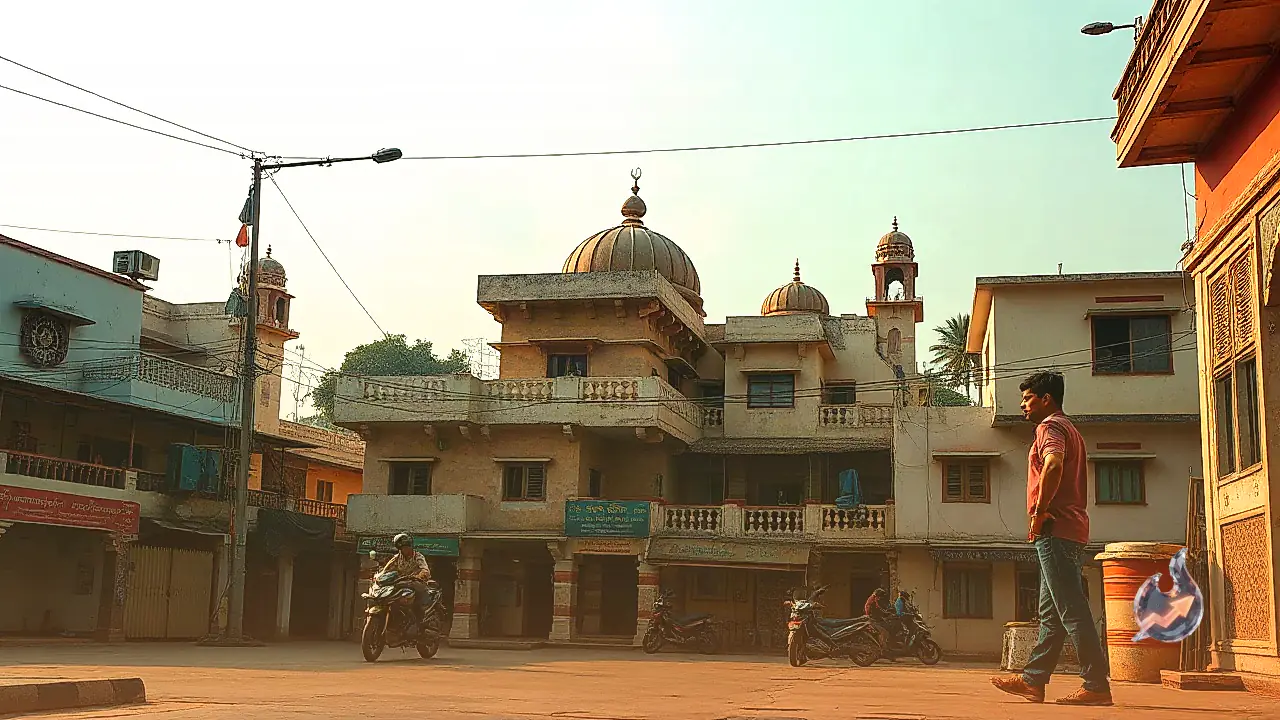























With the arrival of the monsoon season in the Nimar region of Madhya Pradesh, a pleasant chill fills the air. During this cool and refreshing weather, culinary preferences naturally shift toward warm, comforting, and delicious traditional dishes cooked fresh in local households. In Burhanpur district, wheat flour halwa emerges as one of the most favored traditional sweet delicacies during rainy days. As temperatures drop with the rains, this wholesome dish is widely appreciated for providing internal warmth and sustained energy to the body. One of the most appealing aspects of this dessert is that it requires no rare or expensive ingredients; rather, it can be easily prepared using basic kitchen staples. Due to its high nutritional value and health-boosting properties, medical practitioners also recommend consuming it during cold and rainy weather.
Burhanpur's Culinary Tradition and Essential Ingredients
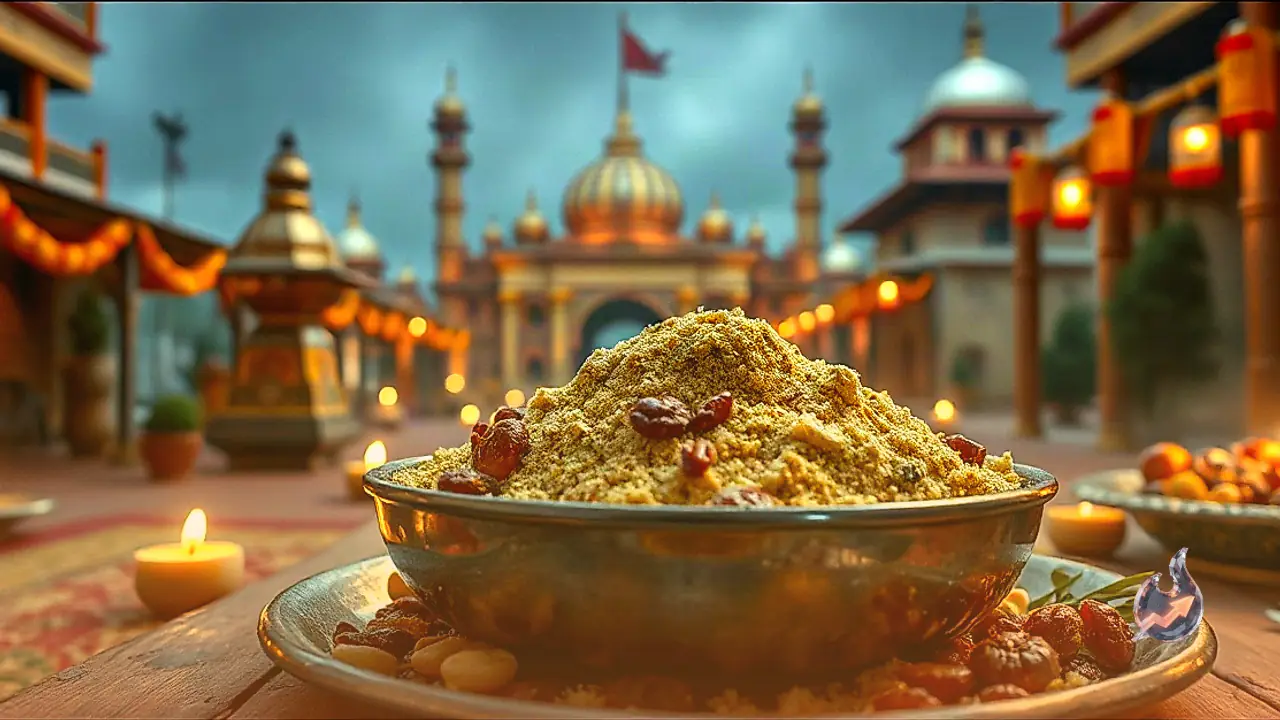
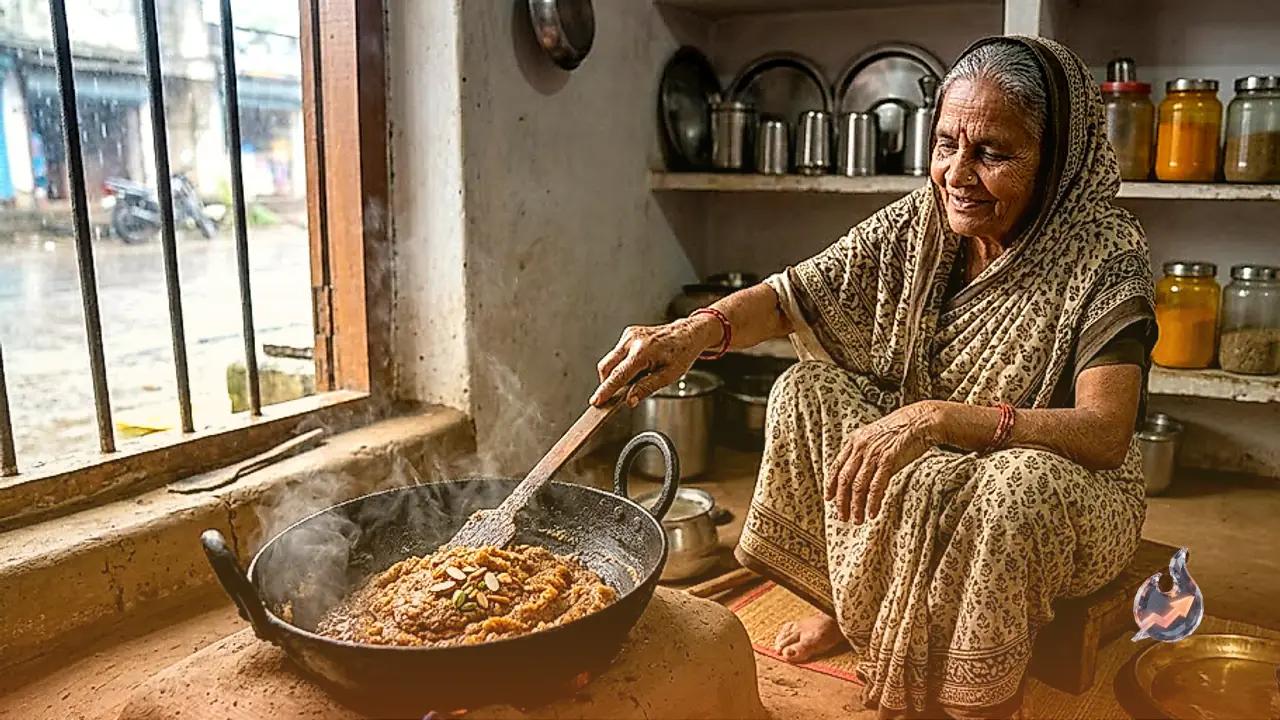
Local resident Phula Bai shared insightful details about this traditional recipe. She explained that the custom of preparing wheat flour halwa in Burhanpur and the surrounding Nimar belt has been passed down through generations. To achieve the authentic taste and perfect texture of this traditional halwa, coarse wheat flour is used instead of finely milled regular flour. The dish primarily relies on pure clarified butter, also known as ghee, along with sugar and water. To enhance both texture and taste, chopped dry fruits such as cashews, almonds, and raisins are added to the preparation. Depending on individual preferences, some cooks also incorporate crushed cardamom or other aromatic spices. Gathering with family to enjoy a steaming bowl of halwa amidst monsoon showers remains a cherished cultural habit across Nimar.
Step-by-Step Method for Roasting the Flour
The method for making wheat flour halwa is straightforward, though it demands patience and close attention. To begin, a heavy-bottomed pan or kadhai is placed over a flame to heat a generous amount of ghee. Once the ghee melts completely, the coarse wheat flour is added in measured quantity. The flame is then reduced to low, and the flour is roasted slowly while being stirred continuously. Constant stirring is the most critical step in this process, ensuring that the flour does not stick to the bottom of the pan or burn. Stirring continuously allows the flour to roast evenly on all sides. As the roasting progresses, a rich aromatic fragrance fills the kitchen, and the flour gradually transforms into a light golden-brown color.
Combining Water, Sugar, and Dry Fruits
Once the roasted flour releases a deep nutty aroma and turns golden, the required quantity of water is carefully added to the pan. The mixture is stirred rapidly during the addition of water to prevent any lumps from forming. Immediately following this, sugar is added according to taste. As the sugar dissolves, the halwa is cooked over medium-low heat with steady stirring. Within a few minutes, the flour absorbs the liquid and ghee, thickening into a smooth, rich consistency that begins to pull away from the sides of the kadhai. Finally, chopped cashews, almonds, and raisins are folded into the thickened dessert. The entire preparation and cooking process takes approximately 30 to 40 minutes, yielding a piping-hot sweet ready to be served.
A Family Favorite for All Generations
This traditional wheat flour halwa from Burhanpur appeals to family members of all age groups, from young children to senior elders. During pleasant monsoon weather, families often gather together to enjoy this steaming dish as a comforting snack. Beyond its rich flavor, the halwa is valued for supporting bodily warmth and immunity during chilly weather. This age-old culinary tradition of Burhanpur remains alive and active in local homes today. For anyone seeking to prepare a wholesome, quick, and traditional treat for family members during the rainy season, this wheat flour halwa serves as an ideal recipe choice.