





















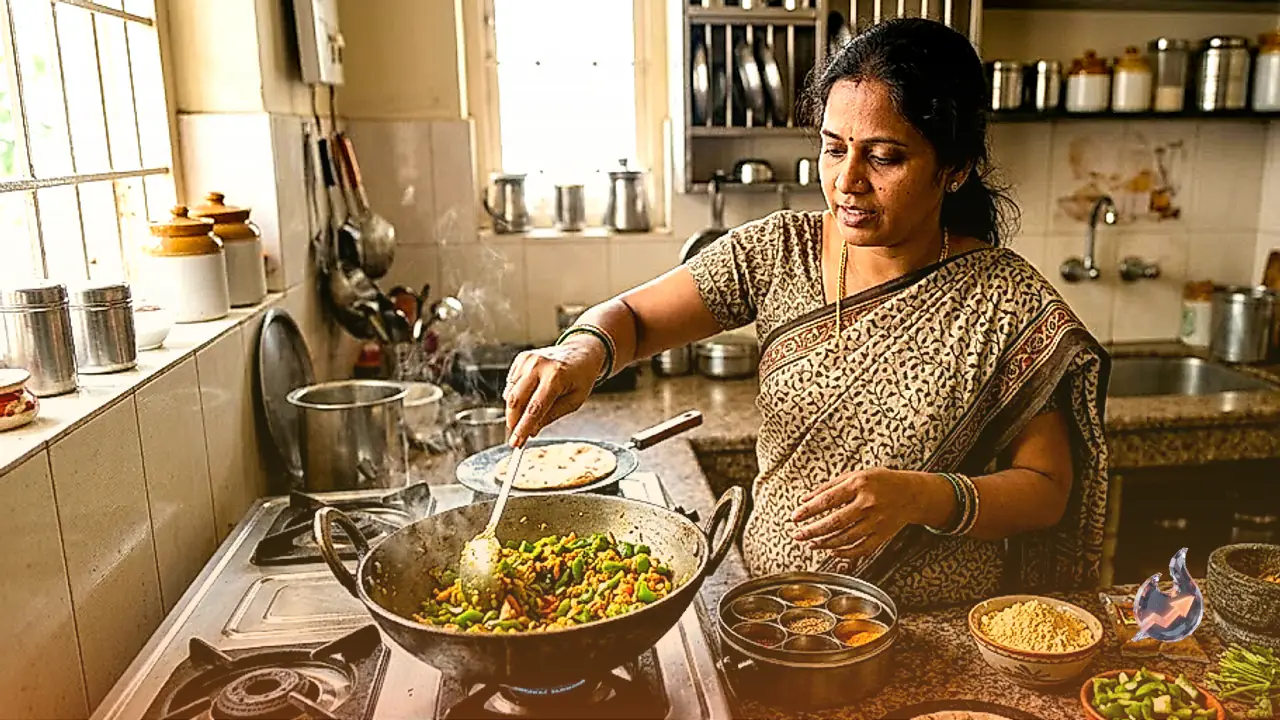

Deciding what to cook for everyday lunch or dinner often turns into an unnecessary chore, particularly when the refrigerator has only a few basic vegetables left. During such moments, turning to pantry staples like capsicum and gram flour can yield an extraordinarily tasty dry stir-fry. Capsicum besan bhurji brings together the mild crunch of bell peppers, the nutty warmth of roasted chickpea flour, and a balanced touch of everyday spices. It requires very little advance prep work and transforms simple ingredients into a satisfying meal that fits naturally into any everyday dining routine.
Pantry Ingredients for the Stir-Fry
This hassle-free dish relies entirely on common household items without calling for specialty ingredients. The core foundation consists of two bell peppers, one chopped onion, and half a small bowl of roasted gram flour. For tempering the oil, half a teaspoon of cumin seeds and two pinches of asafoetida provide the traditional aromatic base.
The spice profile is kept straightforward and grounded, requiring half a teaspoon of turmeric powder, half a teaspoon of red chili powder, a quarter teaspoon of coriander powder, and salt adjusted to individual preference. To finish the dish with brightness and balance, the recipe calls for the juice of one lemon, a handful of freshly chopped coriander leaves, and cooking oil as needed.
Mastering the Gram Flour Roasting Step
Having pre-roasted gram flour on hand saves time, but dry-roasting raw flour right before starting takes only a couple of minutes. Place a pan over low heat, add the raw chickpea flour, and stir continuously so that the flour does not catch or burn at the bottom. Watch for a gentle change in color and a distinctly nutty fragrance rising from the pan.
As soon as this pleasant aroma develops, immediately turn off the flame and move the flour away from residual heat. Avoid letting the flour darken into a deep brown, as excessive roasting introduces bitterness that can overpower the delicate flavor of the capsicum.
Sautéing Capsicum and Onion to Retain Texture
Proper chopping plays a direct role in how the finished dish feels on the palate. After washing thoroughly, slice the bell peppers into medium-thick pieces rather than dicing them finely. Retaining some thickness allows the vegetable to keep a gentle bite and light crunch even after it cooks through, preventing the dish from becoming mushy.
Heat an appropriate quantity of cooking oil in a pan over medium heat. Drop in the cumin seeds and allow them to crackle properly. Once the seeds release their aroma, add the sliced capsicum and sauté continuously for roughly two minutes. Follow by adding the sliced onions, cooking both together until they begin to soften around the edges while remaining firm in the center.
Blending Spices and Incorporating the Flour
Once the vegetables turn slightly tender, incorporate the asafoetida, turmeric powder, red chili powder, coriander powder, and salt. Gently toss the vegetables to coat them evenly with the dry spices. It is critical to keep the stove on low heat at this stage so that the ground spices do not scorch in the hot oil.
Next, introduce the roasted gram flour gradually. Rather than dumping the entire quantity at once, sprinkle the flour in stages while stirring continuously. This step guarantees that the chickpea flour adheres evenly across each piece of capsicum and onion without clumping into dry lumps. Once mixed, cover the pan with a lid and let the mixture steam over low heat for three to four minutes. Give it a gentle stir halfway through so the seasoning penetrates deeply into the flour.
Finishing Notes and Serving Suggestions
Turn off the stove once the flour has softened and thoroughly combined with the vegetables. Immediately squeeze fresh lemon juice over the hot pan and scatter the chopped coriander leaves, folding everything together gently. The mild acidity of the lemon cuts through the density of the gram flour and accentuates the subtle natural sweetness of the bell peppers.
This savory capsicum besan bhurji serves exceptionally well alongside hot rotis, plain phulkas, or flaky parathas. It also performs brilliantly as an accompaniment to a standard lunch of yellow lentils and steamed rice. Because it cooks swiftly and travels well, pairing it with flatbreads makes it equally convenient for quick morning breakfast plates or evening meals.