























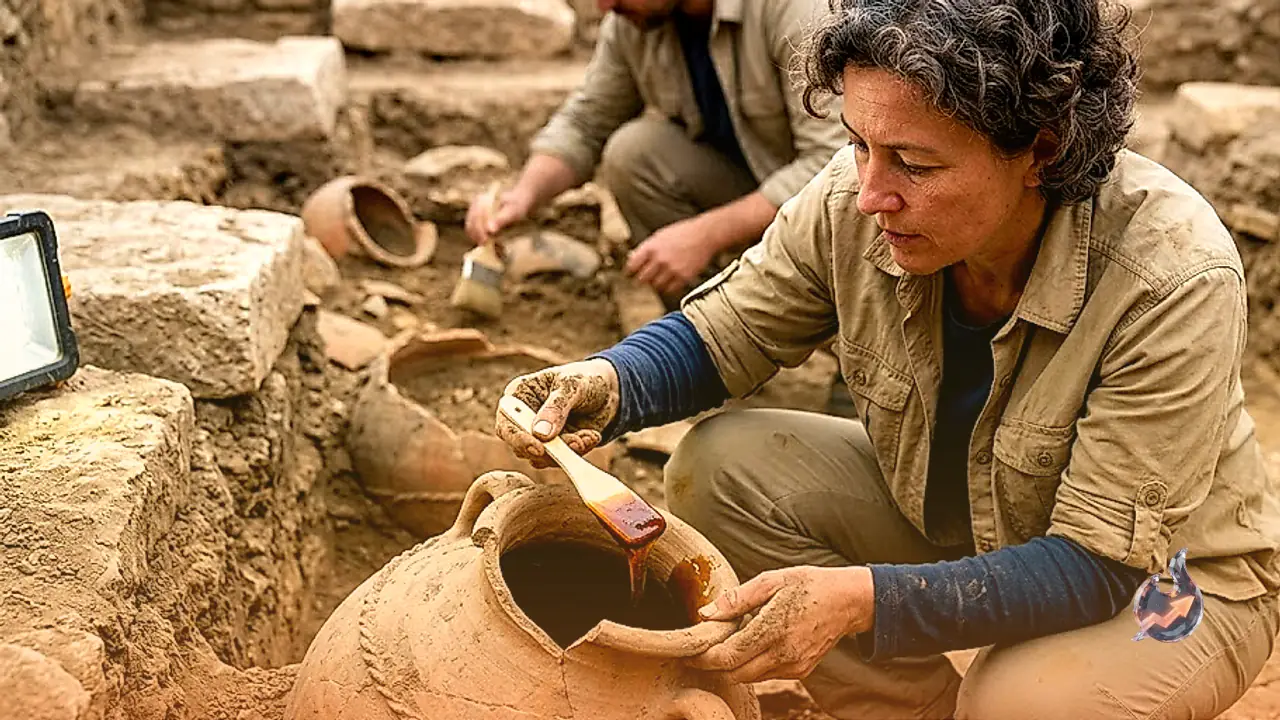

Across thousands of years of human civilisation, honey has served as both a culinary staple and an essential component of traditional healing systems. Archaeological excavations frequently uncover vessels from ancient societies containing recognizable honey residues that have survived centuries without decomposition. While everyday pantry items perish rapidly, properly stored honey demonstrates an extraordinary capacity to endure indefinitely. This prolonged shelf life is driven entirely by a combination of inherent chemical and physical properties rather than synthetic preservatives.
Extremely Low Moisture Content Prevents Microbial Growth
The primary barrier safeguarding honey from biological decay is its remarkably low water volume. Honey exhibits minimal moisture and reduced water activity, creating a hyperosmotic environment where standard food-spoiling microorganisms cannot survive or proliferate. Bacteria and fungi rely heavily on available ambient water to carry out metabolic processes and cellular division. Deprived of the hydration necessary to thrive, microscopic organisms attempting to colonize honey remain completely arrested, preventing the onset of rot or spoilage.
Acidic pH Environment Functions as a Natural Shield
Beyond moisture depletion, honey possesses an inherently acidic character defined by a low pH reading. Common pathogens and decomposing bacteria generally require neutral or mild conditions to multiply efficiently. The pronounced acidity of honey forms a hostile internal terrain that inhibits microbial colonization from taking hold. This low pH operates in tandem with moisture scarcity to establish an enduring natural defense mechanism, protecting the substrate across years of storage.
Inherent Antimicrobial Properties and Hydrogen Peroxide Formation
Honey contains specific natural antimicrobial properties alongside specialized compounds that actively suppress the expansion of microorganisms. Under particular conditions, chemical reactions within honey can generate trace amounts of hydrogen peroxide. This byproduct delivers additional antimicrobial potency, strengthening the overall protective framework. The synergistic interaction among low moisture, acidity, and chemical agents ensures biological deterioration remains suppressed over decades.
Crystallization Represents a Natural Process Rather Than Decay
The perpetual stability of honey does not imply that its physical appearance remains completely static over long durations. With time, changes in color, aroma, and surface texture are entirely normal occurrences. Honey frequently develops glucose crystals, shifting from a clear liquid into a thick, cloudy, or granulated solid. Consumers often mistake this crystallization for spoilage or product defect, yet it represents a completely normal physical transformation that leaves nutritional qualities intact.
Storage Best Practices and Protecting Against Environmental Humidity
Retaining the structural integrity of honey requires consistent adherence to proper storage protocols. Containers must remain clean, thoroughly dry, and sealed tightly to lock out ambient humidity. If accidental water or ambient moisture seeps into the jar, the critical water activity threshold increases, introducing a genuine vulnerability to microbial fermentation and souring. Users should always avoid dipping wet spoons or damp utensils into the container. Furthermore, industrial processing and retail storage environments directly influence commercial honey quality, making airtight domestic care essential.