





















Rice-based preparations hold a central place in traditional cooking, with pulao and tehri being two of the most widely consumed dishes across households. To an untrained eye, both dishes can look remarkably similar when plated, leading many people to assume they are merely different names for the same recipe. However, when examining their historical origins, choice of ingredients, spice blends, and final textures, a distinct culinary divide becomes immediately obvious. Understanding these differences reveals why each dish holds its own unique place in dining culture.
Historical Origins and Culinary Heritage
The heritage of pulao traces back to Central Asian traditions and royal Awadhi or Mughlai cuisine. Historically perfected in regal kitchens, it gained renown for its elegance, subtlety, and reliance on gentle aromatics. In sharp contrast, tehri has firmly rooted domestic origins in North India, carrying immense cultural popularity across Uttar Pradesh and Bihar. Known as a comforting everyday staple, tehri was born out of local home kitchens to provide a satisfying, nutrient-rich dish without requiring elaborate banquet preparation.
Grain Texture, Vegetables, and Color Profile
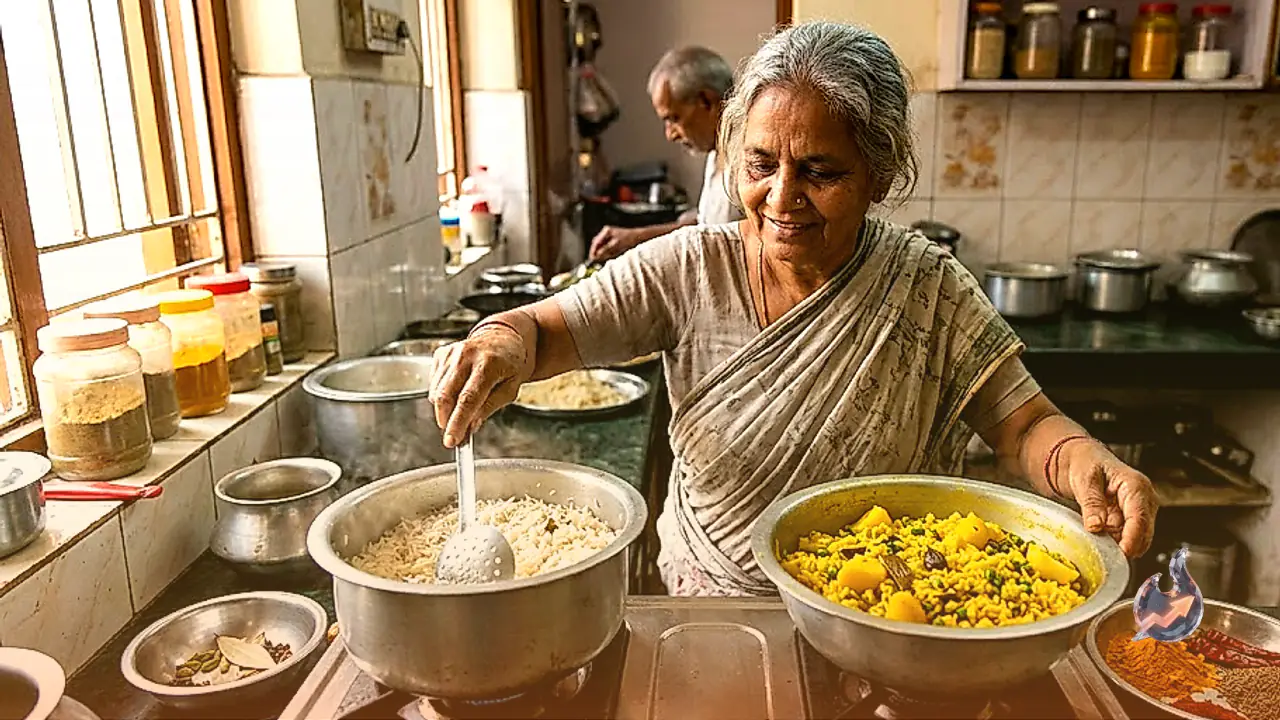
Pulao typically demands premium long-grain Basmati rice, cooked with immense precision so that every single grain stays separate, distinct, and fluffy. Visually, a classic pulao retains a clean white or delicately pale golden hue. Tehri, on the other hand, is packed generously with everyday vegetables, prominently featuring potatoes, green peas, cauliflower florets, and carrots. Its defining aesthetic feature is an unmistakable bright yellow or golden shade, brought about by the generous inclusion of turmeric powder during cooking.
Balance of Spices and Flavor Dynamics
When assembling a pulao, cooks rely primarily on whole spices, aromatic herbs, and pure ghee. Strong powdered seasonings and overpowering chilies are deliberately kept to a bare minimum, ensuring that the natural aroma and sweet undertone of the rice remain the star of the dish. This gives pulao a fragrant, subtle, and mild flavor profile. Tehri approaches seasoning from the opposite direction, incorporating liberal amounts of turmeric, vibrant red chili powder, and robust mixed ground spices to achieve a distinctly spicy, tangy, and rustic punch.
Cooking Methods and Serving Traditions
The cooking technique creates another clear contrast between the two preparations. Making pulao often involves carefully sautéing the rice and vegetables or meat separately before simmering them together under controlled heat. It is traditionally reserved for festive gatherings, special banquets, or formal hosting, where it is accompanied by cooling raita, fresh salads, or rich gravies. Tehri is fundamentally a one-pot meal where the rice, assorted vegetables, and whole spice blend are sautéed and simmered together in a single vessel. Eaten regularly as comforting weekday fare, tehri requires no grand occasion. Those who favor gentle aromas and delicate grains lean naturally toward pulao, while lovers of robust, zesty, and home-style comfort prefer a steaming plate of tehri.