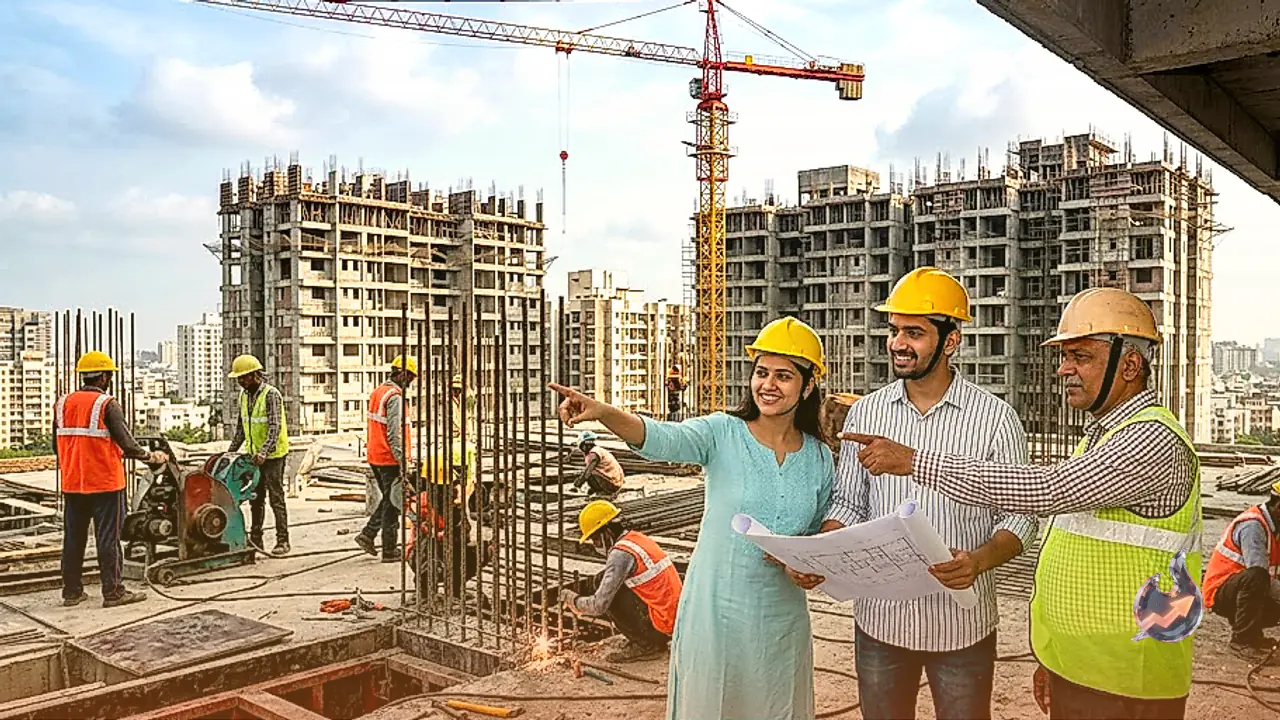





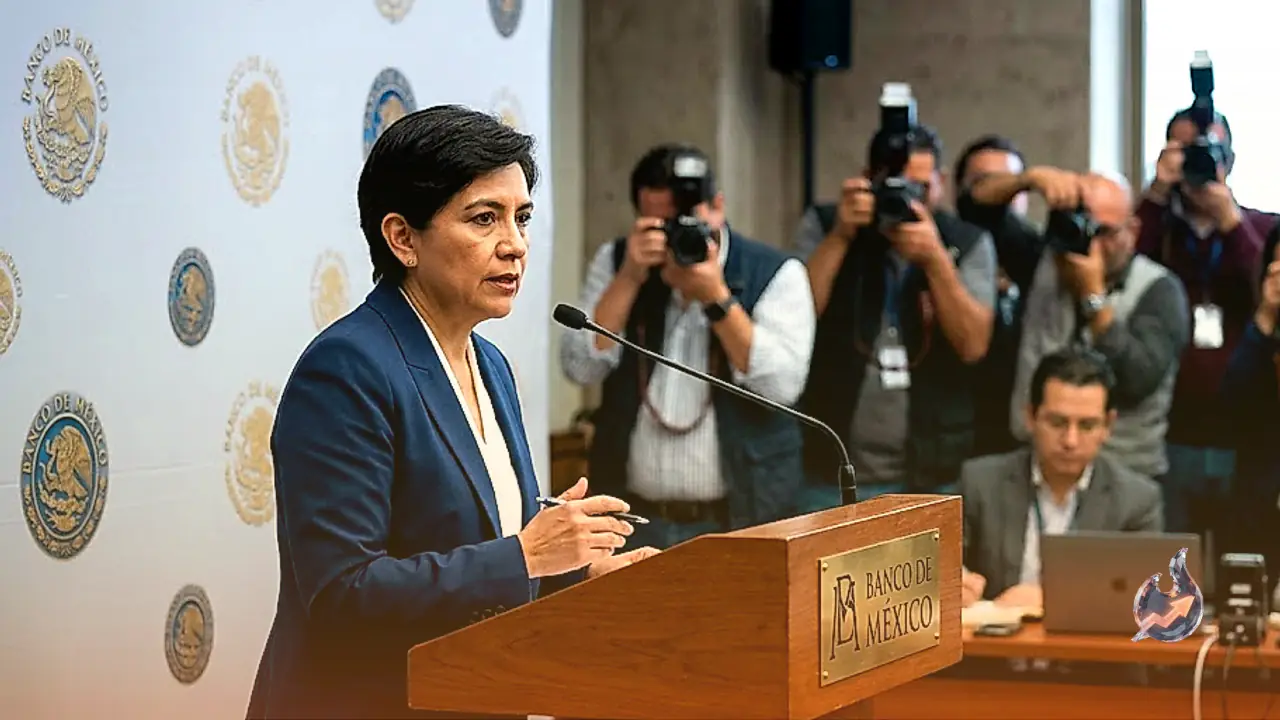



















International capital inflows into India have expanded substantially over the past twelve years, reflecting rising global confidence in the domestic economy. According to official data shared by Union Commerce Minister Piyush Goyal, cumulative foreign direct investment (FDI) into the country has reached approximately 843 billion dollars, equivalent to around 81 lakh crore rupees, since Narendra Modi assumed office as Prime Minister. The strongest single-year momentum was recorded during the most recent fiscal period, when annual inward flows approached the 95 billion dollar threshold.
Fiscal Year 2025-26 Reaches Historic Investment High
Detailed performance figures released by the Commerce Minister show that inbound FDI climbed to an unprecedented peak of 94.53 billion dollars during fiscal year 2025-26. Across the continuous twelve-year stretch extending from FY 2014-15 through FY 2025-26, aggregate FDI reached 843 billion dollars. Marking the 12th anniversary of the Make in India initiative, Goyal posted on social media that these cumulative metrics outline an encouraging structural trajectory for the domestic industrial base and broader economic growth.
PLI Schemes Accelerate Output, Exports, and Jobs
Targeted policy interventions, particularly the Production-Linked Incentive (PLI) schemes, have acted as a primary engine for converting investor sentiment into tangible assets. As of March 31, actual realised investments under PLI frameworks reached 2.40 lakh crore rupees. This capital expenditure enabled total production and sales worth 23.8 lakh crore rupees, alongside 15.2 lakh crore rupees generated through outbound export shipments. On the employment front, the production incentive programs have directly and indirectly generated more than 14.6 lakh jobs across participating manufacturing ecosystems.
Industrial Beneficiaries Across High-Value Sectors
A broad array of specialized manufacturing segments has experienced sustained growth under the incentive framework. Key sectors gaining significant momentum include electronics and telecommunications, pharmaceuticals, medical devices, automotive manufacturing, IT hardware, and specialty steel. Strengthening these sectors has expanded local value addition, broadened the component ecosystem, and made India a viable long-term manufacturing node for multinational enterprises looking to diversify supply chains.
Infrastructure Expansion and Global Capital Sources
Heavy government emphasis on strengthening national logistics and manufacturing infrastructure continues to attract international capital. Under the National Industrial Corridor Development Programme, modern industrial smart cities are being constructed across the country to support export-ready and globally competitive manufacturing operations. Foreign capital has actively flowed into these large-scale infrastructure developments, underpinning the recent spike in FDI inflows. Geographically, Singapore remains the largest single source of FDI into India, with substantial additional investments originating from the United States and European nations.