























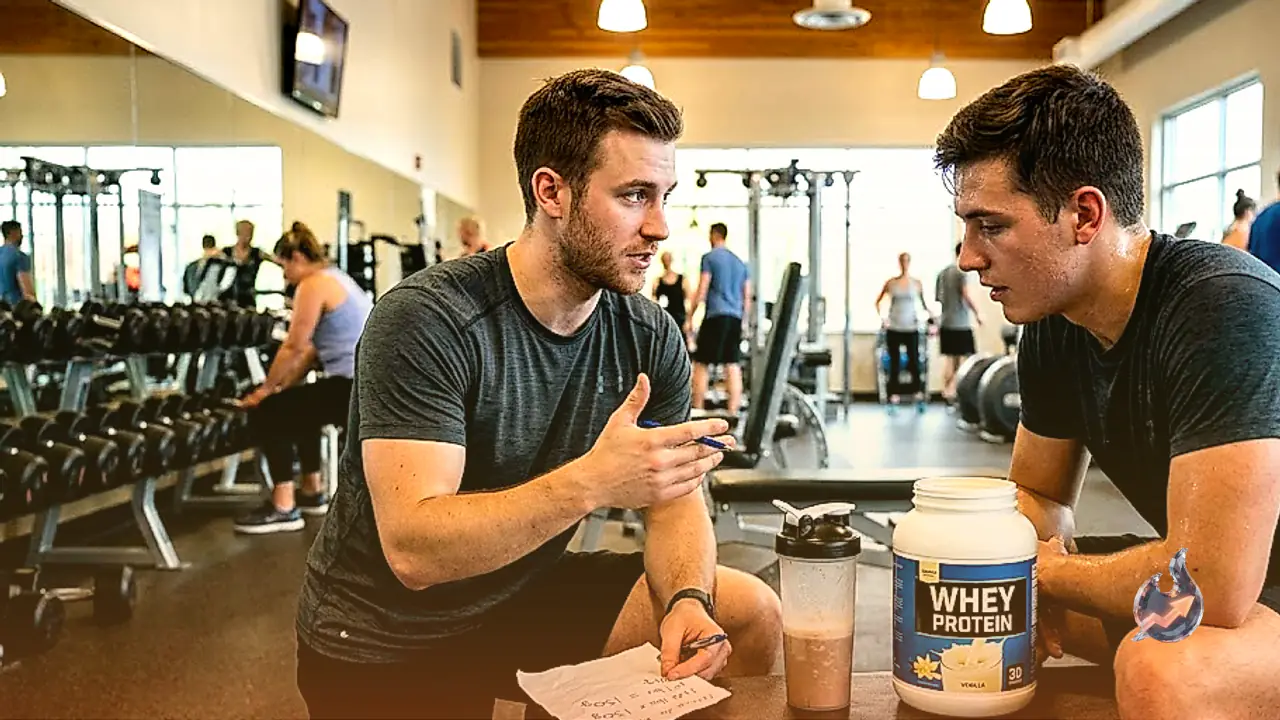

Achieving a sculpted physique and gaining lean muscle tissue requires much more than simply dedicating countless hours to the gym. Without proper fuel and structural support from the inside, the body cannot sustain heavy physical stress or build new mass. Protein stands as the foundational macronutrient essential for the synthesis, maintenance, and repair of skin, muscles, and various bodily tissues. Whenever protein-rich meals are consumed, the digestive system dismantles the complex molecules into amino acids. These amino acids act as vital building blocks that the body immediately deploys to construct new muscle fibers and heal everyday cellular wear and tear.
Understanding Why Protein Fuels Muscular Development
For individuals who consistently engage in weight lifting, strength regimens, or progressive resistance workouts, securing an adequate daily intake of protein is a non-negotiable routine. The muscles need a steady pool of amino acids to repair the micro-tears created during intense training sessions. Daily protein demands are never identical across the board; they fluctuate depending on body mass, daytime physical exertion, and overall training objectives. When the target is strictly muscular expansion, combining adequate nutrition with scheduled resistance workouts forms the bedrock of progress.
Baseline Nutritional Guidelines Versus Muscle Building Standards
Standard dietary benchmarks generally suggest a baseline of approximately 0.8 grams of protein per kilogram of body weight each day for an average adult. This basic allowance is designed strictly to avoid general deficiencies and maintain basic metabolic functions. It is not calibrated to support muscular hypertrophy. Individuals who maintain an active exercise routine generally require anywhere between 1.2 and 2 grams per kilogram. However, those dedicating their efforts specifically to building muscle through targeted resistance training benefit the most from consuming roughly 1.6 to 2.2 grams of protein per kilogram of body weight daily.
To put this into a realistic perspective, consider an individual weighing 60 kilograms who aims to gain muscle mass. Applying the recommended ratio of 1.6 to 2.2 grams means this person needs a targeted intake of around 96 to 132 grams of protein per day. Meeting this target requires structured meal planning rather than relying on chance, ensuring the system receives adequate nutrition throughout the day.
Preserving Muscle Mass During Fat Loss Phases
Fitness enthusiasts frequently face the dual challenge of cutting down excess body fat while preserving hard-earned muscle fibers. During a caloric deficit, the risk of muscle catabolism increases significantly if nutrition is neglected. Under such specialized conditions, recommendations often point toward an elevated protein intake ranging from 2.3 to 3.1 grams per kilogram of body weight. This higher tier provides maximum protection against tissue breakdown while fat stores are utilized for energy, though individuals should tailor this according to their personal tolerance and nutritional supervision.
Diverse Dietary Options for Omnivores and Vegetarians
Reaching your targeted nutritional numbers becomes straightforward when meals incorporate a wide variety of wholesome sources. Non-vegetarian and dairy-friendly options include whole eggs, chicken, fish, paneer, cottage cheese, Greek yogurt, and whey protein supplements. For vegetarian and plant-focused diets, excellent protein contributors include various lentils, soy items, tofu, tempeh, edamame, hemp seeds, and pea protein powders. Distributing your overall protein target evenly across several meals throughout the day facilitates superior digestion and absorption. In particular, consuming a meal or light snack containing roughly 20 grams of protein immediately following an intense workout can significantly accelerate muscle recovery and tissue synthesis.
Essential Health Precautions and Smart Habits
A balanced, high-protein eating regimen is considered safe and effective for the majority of healthy individuals with normal renal performance. However, anyone dealing with pre-existing kidney disorders or compromised renal function must consult a qualified physician or professional dietitian prior to increasing protein intake. Furthermore, it is far healthier to assemble a diverse menu of whole foods rather than leaning heavily on processed foods or excessive quantities of red meat, ensuring long-term vitality alongside athletic success.