





















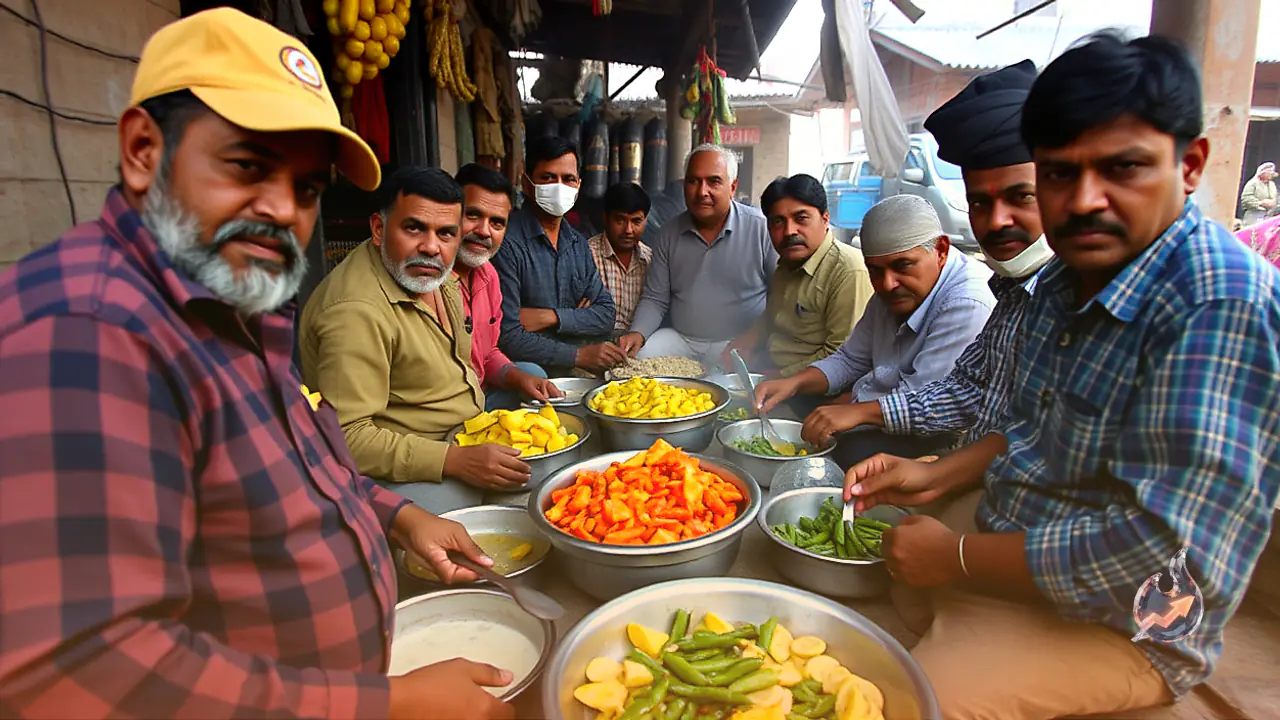

When winter sets in, pairing piping-hot dishes like khichdi, savoury tahri, stuffed parathas, and winter greens with a spoonful of tangy pickle elevates the entire dining experience. This seasonal shift naturally drives up the demand for diverse, flavourful pickles across households. Mona Chawla, who has extensive experience preparing artisanal pickles in Rampur, points out that the winter months witness peak demand for raw mango, pungent small green chilli, and nutrient-dense amla pickles. As seasonal temperatures drop, consumer palates change, prompting local makers to craft batches that complement winter comfort meals.
Sourcing Southern Mangoes to Defy Seasonal Boundaries
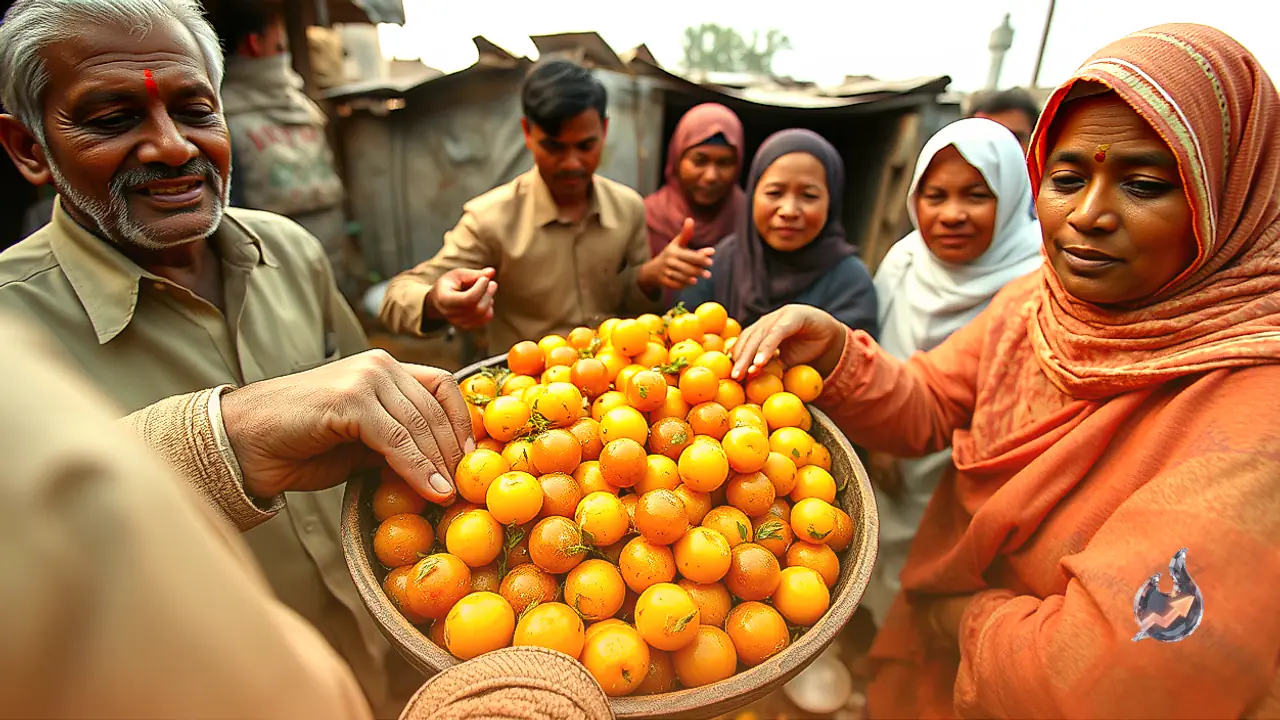
Most consumers assume that mango pickles can only be manufactured during hot summer months when fresh raw mangoes are widely harvested and traded in northern markets. However, overcoming this seasonal barrier, fresh batches continue to be made throughout winter as well. Once local market supplies dwindle in North India, raw mango consignments are specifically transported from southern regions, including Madras and Kerala. A standout feature of these southern mangoes is their moderate acidity, meaning the pickle does not turn overwhelmingly sour. This milder, balanced tang appeals directly to food lovers who prefer nuanced flavours, enabling households to relish freshly cured mango pickle long after northern mango trees have finished fruiting.
Spicy Green Chillies and Nutrient-Rich Indian Gooseberry
Small green chilli pickles remain another major staple during winter meals. For individuals who enjoy a sharp, spicy kick alongside everyday food, this variety serves as an ideal table condiment. The careful combination of aromatic whole and ground spices stuffed into small green chillies lends them a distinct, sharp profile. These varieties, encompassing mango, small chilli, and amla, are priced between 200 and 240 rupees per kilogram. Depending on their taste preferences and daily dietary habits, customers purchase these jars to enhance their everyday winter dining.
Alongside chillies, amla pickle enjoys high consumer interest due to its inherent nutritional value. Indian gooseberry is naturally rich in vitamin C, a micronutrient that plays a vital role in supporting normal immune system function against seasonal stresses. Because nutritionists frequently recommend adding amla to winter diets, incorporating it as a spicy cured condiment allows consumers to combine flavour with seasonal wellness.
Handcrafted Spices Ensure Instant Turnover
According to Mona Chawla, consumer enthusiasm for freshly made mango, small chilli, and amla pickles stays remarkably steady throughout the winter season. Whether served with a simple plate of khichdi and tahri or paired with hearty parathas and seasonal vegetable curries, a spoonful of pickle completes the meal. The batches prepared at her establishment tend to sell out immediately upon production, leaving little need for long-term warehousing or surplus inventory. A primary reason behind this rapid demand is the reliance on house-ground spice blends rather than commercial mixes. Getting the proportions right through time-tested artisanal methods gives each variety its unmistakable homestyle taste.