



















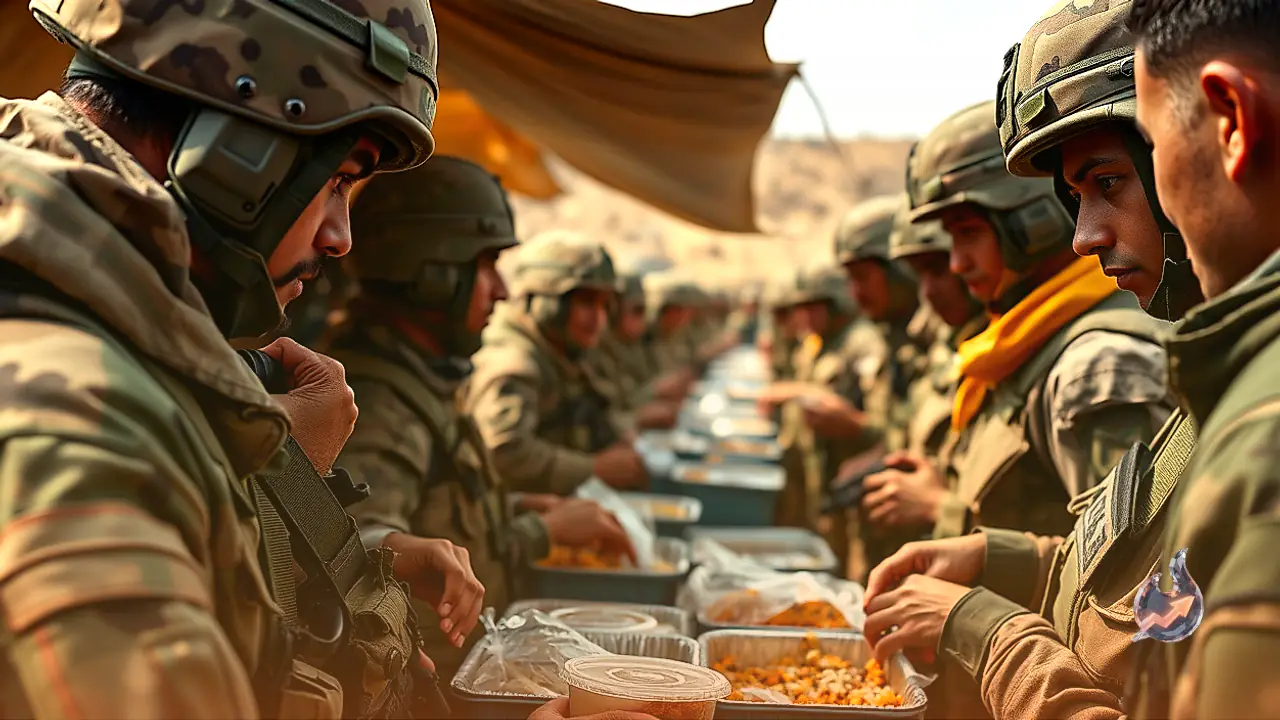

Between 1939 and 1945, nourishing troops deployed across the front lines of the Second World War posed an immense logistical obstacle. Combat units frequently found themselves stationed in desolate landscapes or contested zones where military mess halls did not exist and lighting a fire to cook warm meals was entirely out of the question. To prevent hunger and exhaustion from crippling fighting capabilities, military planners developed portable ration kits that soldiers could easily carry in their equipment packs and consume immediately when duty demanded. Within the United States armed forces, this strategy led to the deployment of distinct field rations known as the K-Ration, C-Ration, and D-Ration.
The Portable Design and Composition of the K-Ration
The K-Ration was engineered specifically for mobile soldiers who required lightweight sustenance that would not weigh down their movement in combat. Formally adopted by the military in 1942, this ration was systematically divided into three separate units tailored for breakfast, dinner, and supper. Inside these compact packages, service members found biscuits, canned meat portions, cheese, instant coffee powder, sugar, fruit bars, and chewing gum. Depending on the exact distribution pack, components such as powdered lemon juice and chocolate bars were also provided to maintain calorie intake.
Beyond standard food items, military authorities included essential everyday non-food provisions within the K-Ration containers. Soldiers regularly opened their kits to find cigarettes, water purification tablets to treat field water, and small quantities of toilet paper. The exact contents, however, underwent regular modifications across different production runs as battlefield conditions evolved.
Canned Durability Inside the C-Ration
Alongside lighter kits, soldiers were issued the C-Ration, which relied heavily on sturdy canned goods. These metal tins contained pre-cooked meat options along with supplementary staples such as crackers, refined sugar, and instant coffee. The principal benefit of this format was its exceptional shelf life, as the sealed food was protected from contamination and stayed edible over prolonged campaigns. Despite its reliability, the early variations of the C-Ration suffered from very limited menu diversity, forcing troops to consume the exact same canned recipes day after day.
Emergency Energy Reserves Through the D-Ration
Unlike meals intended to satisfy regular daily appetite, the D-Ration served strictly as an emergency survival ration. It consisted of a specially formulated chocolate bar meant to sustain individuals facing acute hunger and exhaustion in isolated scenarios. This was deliberately distinct from regular confectionery and was intentionally formulated to resist melting in extreme ambient heat so it remained functional under harsh combat conditions.
Diverse Rations Across Different Nations
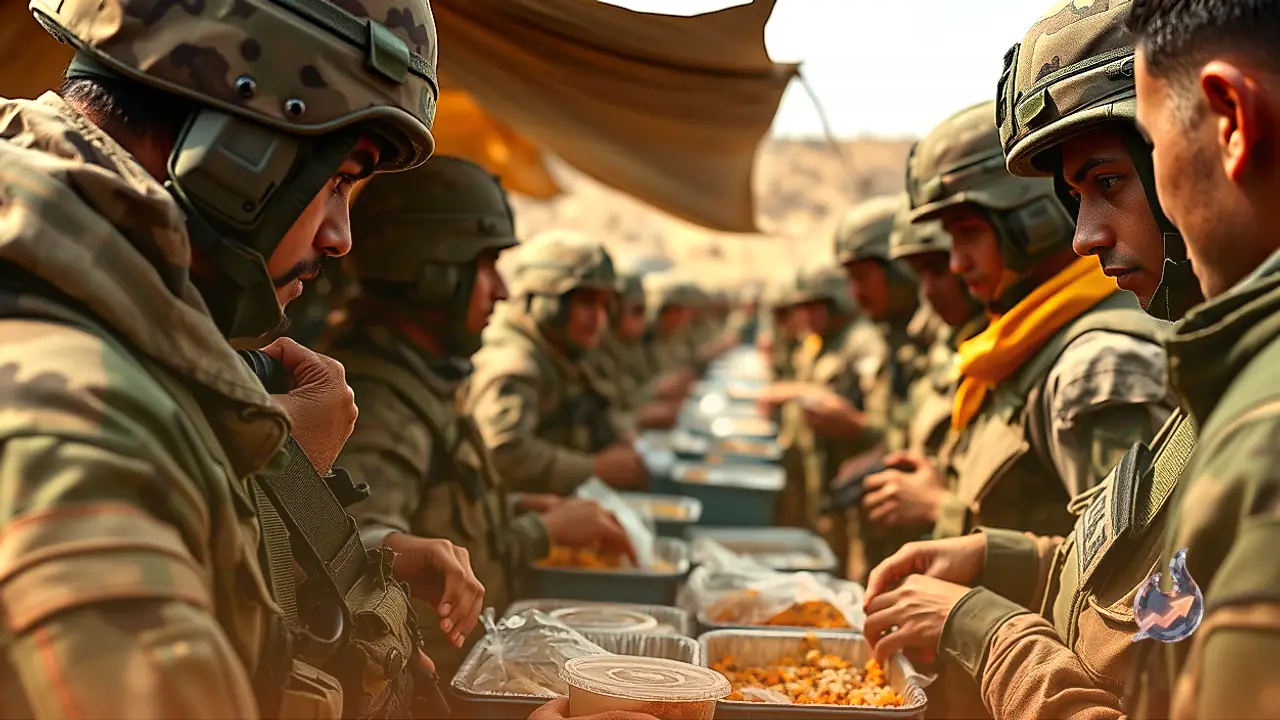
The diet of frontline troops was far from uniform across the warring powers. Different countries tailored their supply logistics around their own domestic agricultural supplies, nutritional customs, and specific battlefield demands. Soldiers did not subsist entirely on pre-packaged survival rations every single day; whenever combat pauses permitted and logistics allowed, frontline units received freshly prepared hot food straight from rear-echelon field kitchens.