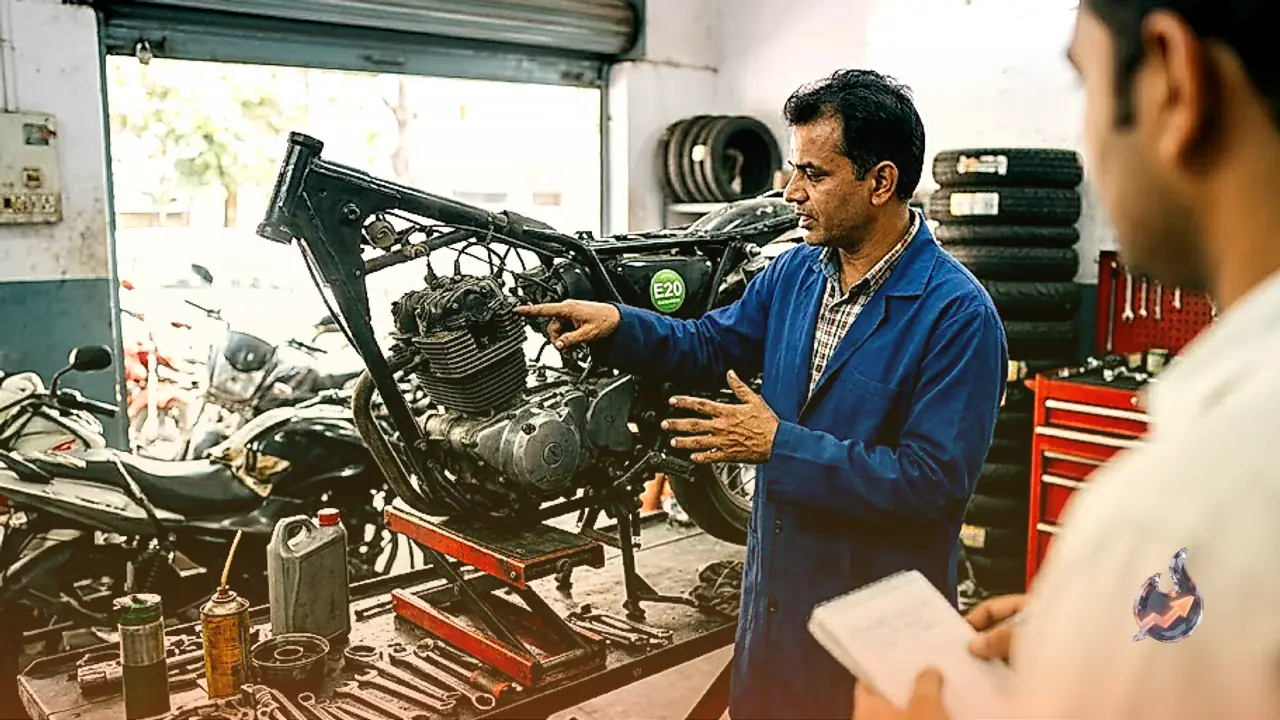





















Once the rainy season comes to an end, giving a motorcycle thorough maintenance becomes an absolute necessity for every rider. During monsoon rides, road slush, standing water, and ambient humidity easily penetrate the deepest crevices of the vehicle. This lingering moisture and accumulated grime take a direct toll on the drive chain, braking components, electrical wiring, and internal engine health. Neglecting timely cleaning and inspection significantly elevates the danger of metal corrosion, premature component wear, and unexpected mid-journey mechanical breakdowns. Regular post-monsoon servicing preserves the overall lifespan of the machine, restores smooth performance, and ensures riding safety on the road.
Thorough Washing and Safe Drying Procedures
The very first step immediately after the rainy season subsides is to wash the motorcycle thoroughly from top to bottom. Accumulated layers of dried mud, road grime, and stubborn water spots must be eliminated from the chassis frame, engine casings, alloy wheels, and the exposed underbody. Always use a soft microfiber cloth or a gentle detailing brush to clean these delicate areas without scratching the finish. It is best to avoid high-pressure water jets around the handlebar switches and wiring looms, as forceful spray can push moisture into electrical connectors. Once washed, allow the bike to dry completely in a shaded area. Leaving a wet motorcycle under harsh direct sunlight can damage the paint finish and degrade plastic body panels, whereas careful cleaning prevents rust formation and keeps the vehicle looking factory-fresh.
Drive Chain and Sprocket Inspection With Lubrication
Due to constant exposure to gritty muddy water, the drive chain suffers the quickest wear and tear during wet weather. Thoroughly degrease and scrub the chain to remove all trapped grit, and allow it to dry completely. Once clean, apply an even coat of high-quality dedicated chain lubricant. Concurrently, examine the sprocket teeth for any signs of sharp wear, hooking, or excessive slack. If the chain is sagging excessively or adjusted too tightly, reset the tension to manufacturer specifications. Proper lubrication guarantees seamless power delivery to the rear wheel while extending the service life of both the chain and sprockets. Making this check a monthly habit prevents major drivetrain failures.
Braking System Evaluation, Pad Thickness, and Fluid Check
Road sludge and sandy runoff frequently accumulate between the brake pads and disc rotors during rainy commutes. Carefully inspect the friction material thickness on the brake pads as well as the surface condition of the brake discs. If the pads are worn down near their replacement limit, replace them immediately to avoid damaging the rotor. Also verify the brake fluid reservoir level to make sure hydraulic pressure remains optimal. Test both the front brake lever and the rear foot pedal to ensure crisp, predictable stopping response. Riding with compromised or damp brakes sharply increases the likelihood of skidding and accidents, making brake safety an urgent post-monsoon priority.
Electrical Wiring, Battery Health, and Fuse Box Safety
Pervasive moisture and water seepage directly undermine the electrical harness and battery performance. Check all critical electrical functions, including the main headlight beam, turn indicators, horn, and electric starter switch, to verify consistent operation. Clean away any corrosion or residue from the battery terminals and apply a thin layer of grease to ward off future oxidation. If the bike remained parked for extended intervals during heavy downpours, test the battery and have it recharged if the voltage has dropped. Furthermore, open the fuse box to inspect for any trapped water droplets, as minor unnoticed moisture can trigger sudden short circuits or blown fuses later.
Engine Oil Replacement, Air Filter Cleaning, and Tyre Checks
Changing the engine oil after the monsoon season is highly advisable, as minor water condensation can degrade the oil's viscosity and lubricating qualities. Inspect the air filter as well; clean out trapped debris or replace the paper element if dampness has clogged its pores. Finally, check tyre inflation pressure and examine the tread depth across the entire contact patch. Look closely for cuts, cracks, or uneven wear, replacing any tyre that has worn down significantly. Maintaining proper inflation pressure optimizes fuel efficiency and provides sharp, predictable handling on dry tarmac. Implementing these systematic checks keeps your motorcycle performing at its peak for miles to come.