


















Making plain parathas every morning often feels like the most convenient breakfast route, but having the same flavour day after day quickly leads to palate fatigue. When the kitchen has fresh fenugreek leaves and green chillies on hand, moving away from ordinary stuffed flatbreads in favour of Gujarati style thepla offers a welcome change to the routine. The biggest advantage of this regional preparation is that it demands no elaborate advance prep work. Whole wheat flour combined with a touch of gram flour, finely minced fenugreek, curd, and essential pantry spices comes together effortlessly into a soft dough.
The secret to keeping these flatbreads delicate and tender lies in the thoughtful balance of ingredients. The inclusion of fresh curd retains moisture for hours, while fenugreek leaves and green chillies infuse an earthy aroma and balanced heat. Even children who routinely avoid leafy greens tend to enjoy theplas packed into their school lunch boxes. The entire preparation process remains straightforward as long as a few basic culinary steps are kept in mind.
Required Ingredients and Proportions
Getting the texture and flavour profile right requires adhering to precise measurements. For this batch, take two cups of whole wheat flour paired with two tablespoons of gram flour (besan). Alongside, keep ready one cup of freshly chopped fenugreek leaves, thoroughly cleaned and dried. To build moisture and richness, measure out three tablespoons of fresh plain curd, one tablespoon of crushed ginger and green chilli paste, and one tablespoon of white sesame seeds.
For seasoning, gather half a teaspoon of carom seeds (ajwain), half a teaspoon of turmeric powder, half a teaspoon of Kashmiri red chilli powder, one-fourth teaspoon of asafoetida (hing), and salt according to personal taste. In addition, reserve two tablespoons of cooking oil for binding the dough, along with an adequate amount of oil or ghee to brush onto the griddle during cooking.
Prepping and Chopping the Fenugreek Leaves
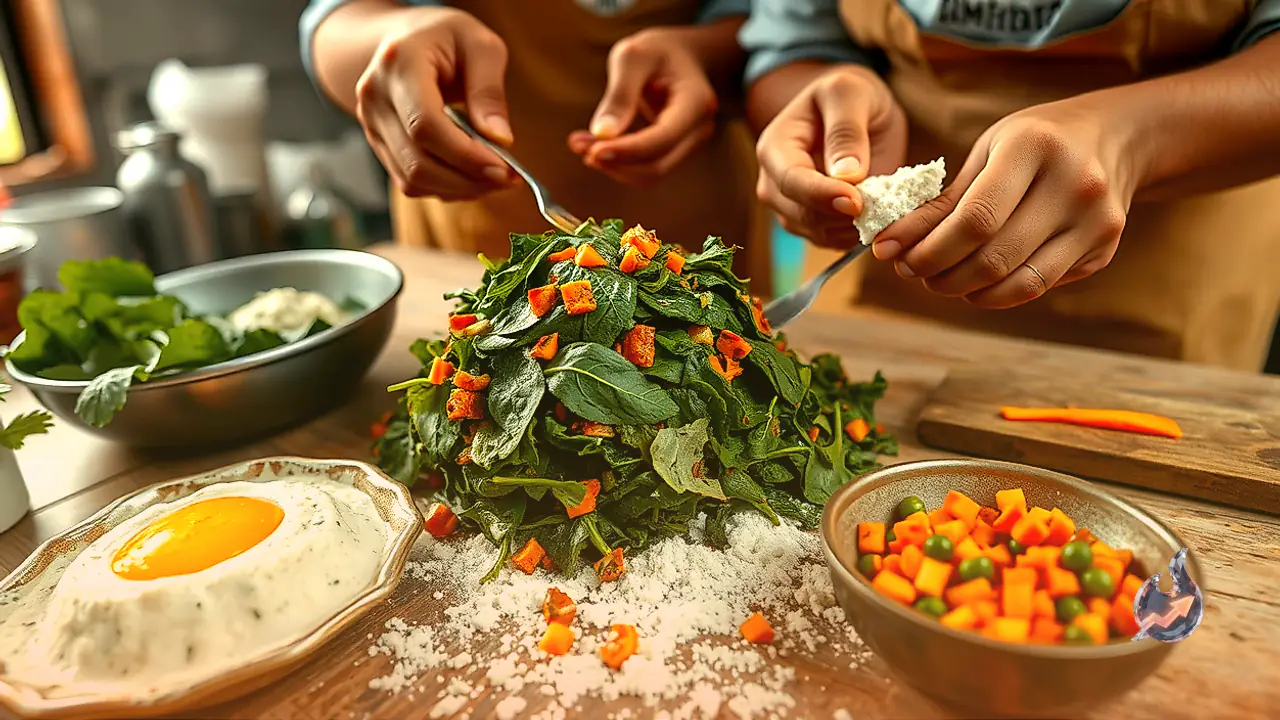
The cooking process begins with the careful handling of fresh fenugreek. Pluck the leafy greens away from the thick fibrous stems, as tough stems can tear the dough during the rolling stage. Wash the separated leaves thoroughly in clean water two to three times to completely wash away any garden grit or soil clinging to them. Once rinsed, spread the leaves across a dry cotton kitchen cloth to let the surface moisture evaporate completely.
Only after the leaves have dried should they be finely chopped using a sharp knife. The finer the fenugreek is minced, the more smoothly it integrates into the flour, ensuring the dough rolls out thin without breaking apart or sticking excessively.
Kneading the Dough to Perfect Softness
In a large, wide mixing platter, combine the two cups of whole wheat flour and two tablespoons of gram flour. Add the finely minced fenugreek leaves, white sesame seeds, carom seeds, turmeric, Kashmiri red chilli powder, asafoetida, ginger-green chilli paste, and salt. Mix these dry ingredients thoroughly with your hands so the spices distribute evenly. Once blended, introduce the two tablespoons of oil and three tablespoons of fresh curd into the centre.
Begin rubbing and gathering the mixture together by hand. Both fresh fenugreek and curd carry natural moisture, so refrain from splashing water in at the start. After the ingredients form a crumbly, cohesive mass, sprinkle lukewarm water gradually in small splashes until a supple, soft dough comes together. Smear a light film of oil across the dough ball, cover it, and allow it to rest undisturbed for roughly 10 minutes. This resting stage relaxes the gluten and ensures effortless rolling later.
Rolling Thin and Cooking on the Griddle
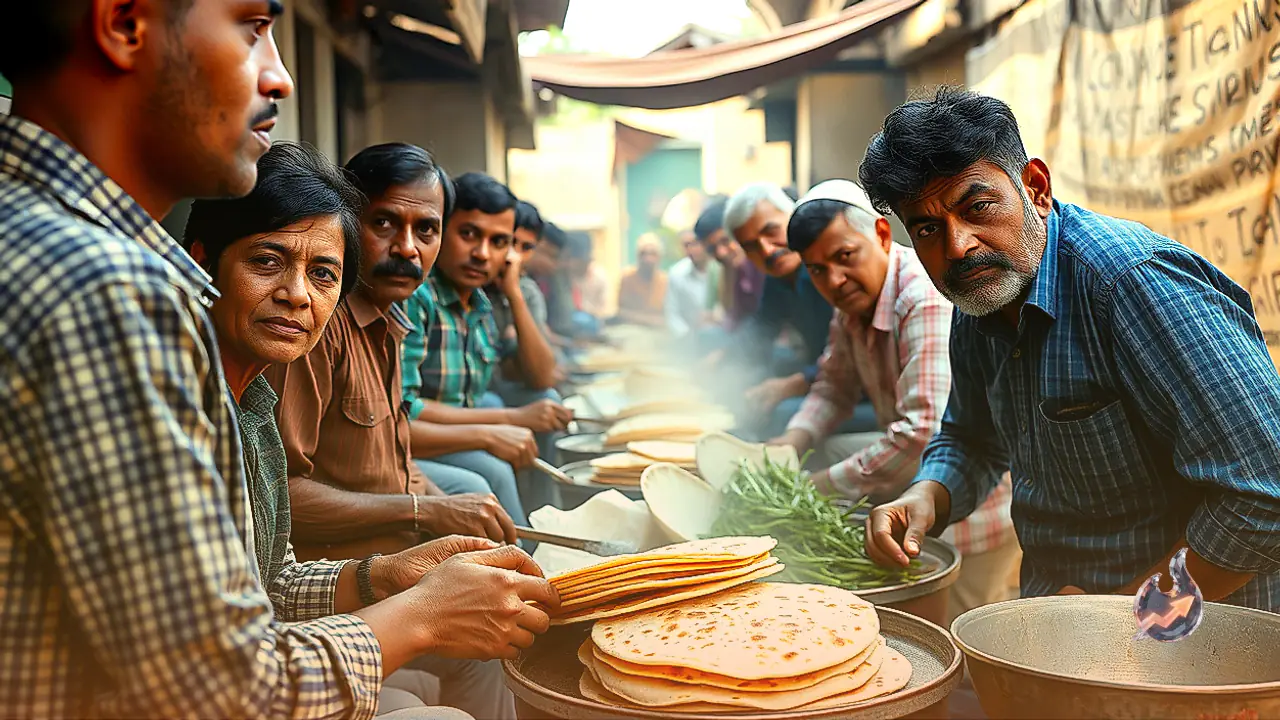
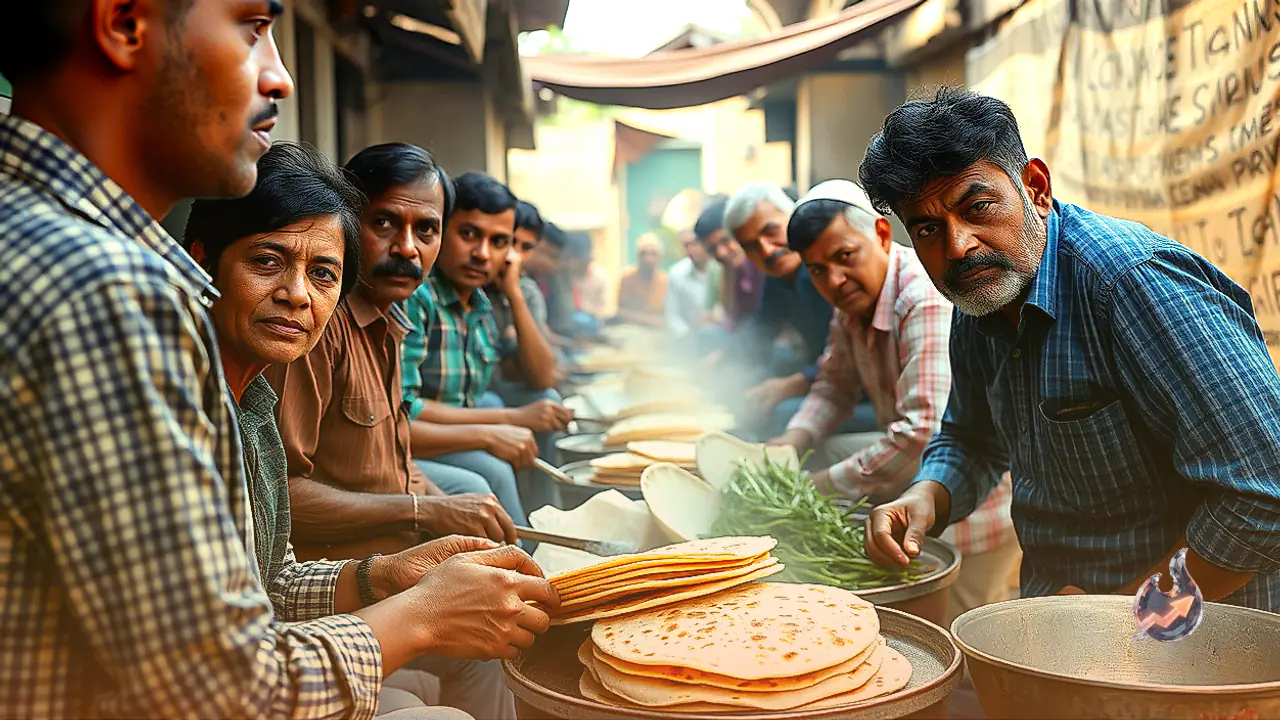
Once the resting period concludes, divide the dough into small, equal-sized round portions. Dust a dough ball lightly with dry whole wheat flour, position it on the rolling board, and roll it out into a thin circular flatbread. Thepla should never be left thick; excessive thickness compromises its delicate tenderness and traditional feel, meaning it must be rolled noticeably thinner than standard parathas.
Heat a flat griddle (tawa) properly over medium flame and lay the rolled flatbread flat upon it. The moment tiny air bubbles appear on the top surface, flip it over immediately. Brush a moderate sheen of cooking oil or ghee across both sides, pressing down gently with a spatula. Avoid slow cooking over low heat, as prolonged griddle time robs the flatbread of moisture and turns it brittle and stiff. Instead, cook it briskly over medium to high heat until light golden specks form across both sides, then slide it off the griddle.
A Reliable Choice for School Lunchboxes
For parents struggling to introduce leafy greens to fussy eaters, this recipe serves as a dependable shortcut. Chopping the fenugreek extremely fine prevents large pieces from being picked out, while the quantity of green chillies can easily be dialed down to match younger tastebuds. Thanks to the combination of curd and gram flour, these theplas remain supple and fresh for hours, making them an ideal lunchbox inclusion that does not turn tough by midday.