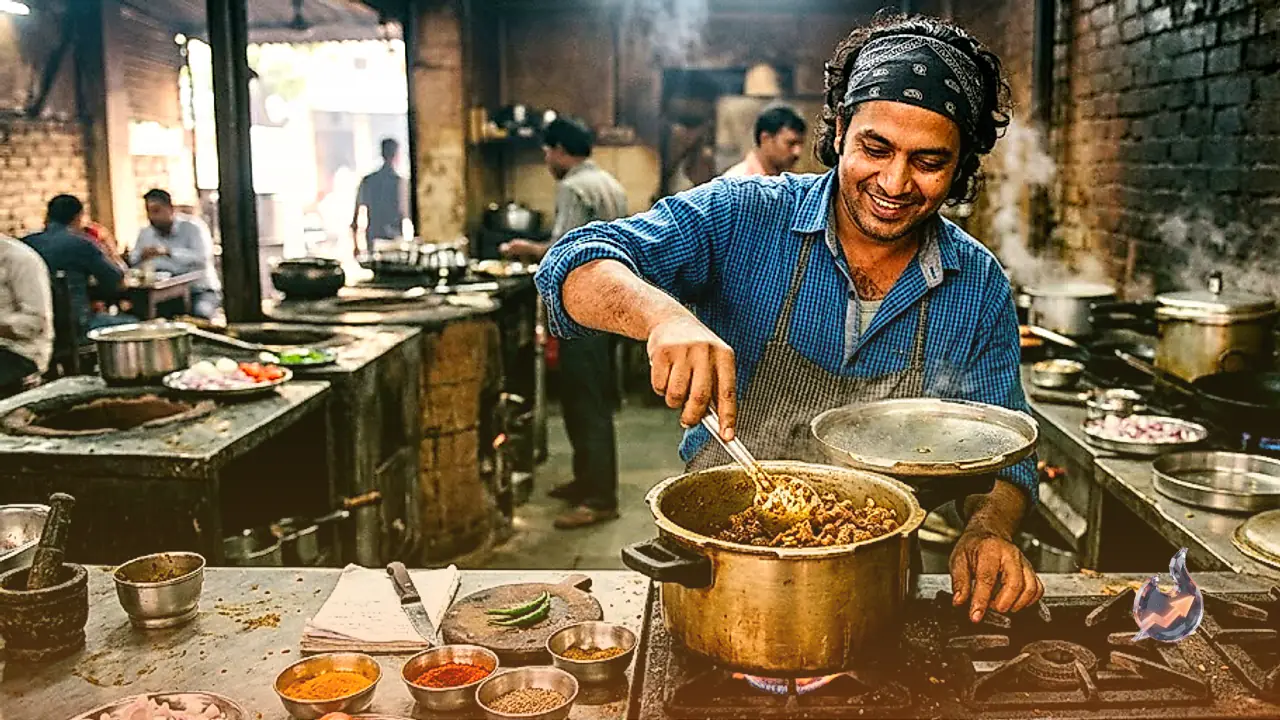






















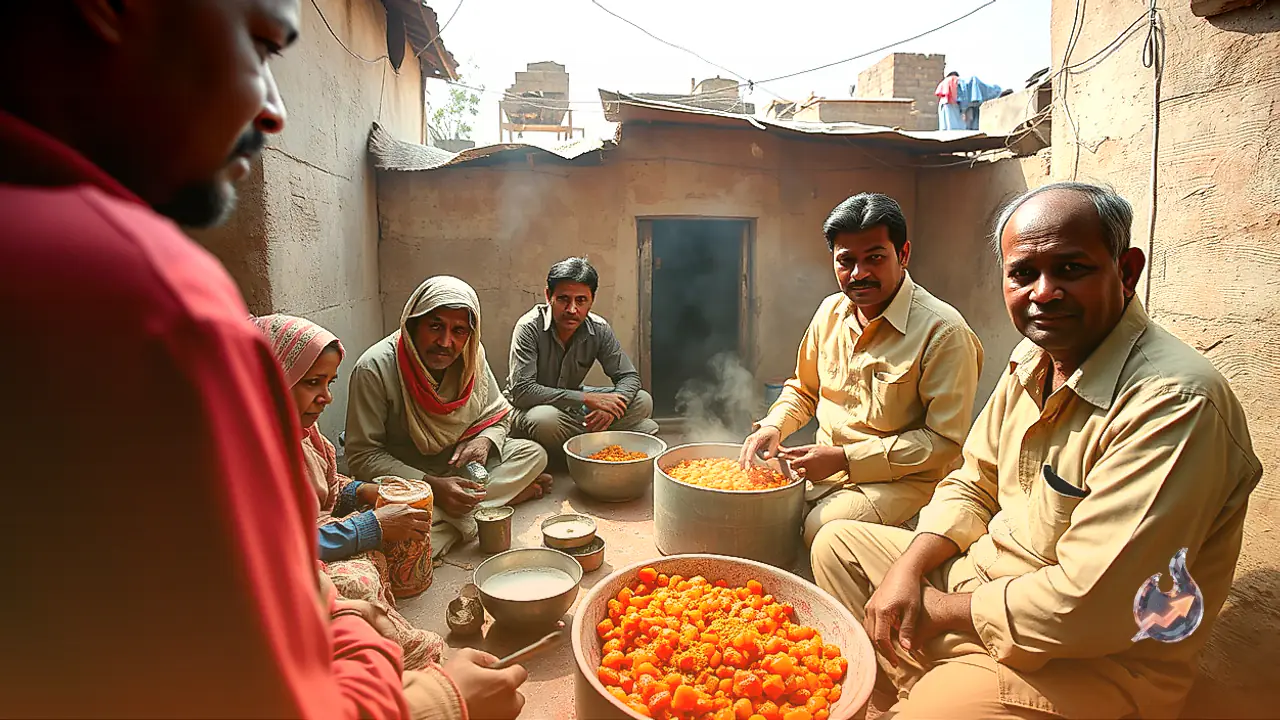

Replicating the delicate texture and melt-in-the-mouth consistency of shop-bought traditional Indian sweets in a home kitchen often feels demanding. For festive spreads and family celebrations, achieving that tender bite requires precise kitchen technique. Ankit Gupta, a sweetmaker based in the Bargashe locality of Mirzapur, has outlined a dependable and uncomplicated recipe for making classic gulab jamuns. The method highlights how a modest ingredient list, when handled with the right balance, delivers authentic results without requiring complicated steps.
Ingredient Measurements and Preparing the Base Dough
The foundation of a tender sweet lies entirely in maintaining a strict ingredient proportion. According to the artisan, the preparation begins with taking one kilogram of mawa. To this base, approximately 100 grams of refined flour is introduced. This light addition of flour provides the dough with necessary structural binding without making the core dense. A measured pinch of baking soda is mixed in next according to taste and necessity. Baking soda plays a vital role in softening the crumb and allowing the center to expand gently. Those seeking aromatic complexity can fold in crushed cardamom or delicate saffron strands. The mixture must be kneaded together thoroughly until the texture turns completely uniform and smooth.
Shaping Even Balls and Mastering the Fry
Once the dough achieves a pliable consistency, it is portioned into small, smooth rounds. The sweetmaker emphasizes that keeping each ball identical in size is essential. Uniformity guarantees that every piece fries at an identical pace when submerged in hot fat, preventing raw centers or uneven patches. A pan is set over the stove with cooking oil or pure desi ghee, keeping the flame low throughout the frying stage. The dough balls are fried gently until they turn a balanced golden hue. Frying on a slow, controlled flame ensures that the heat reaches the very center without burning the outer crust prematurely.
Soaking in Sugar Syrup and Maximizing Shelf Life
As soon as the fried rounds attain their golden shade, they are lifted from the hot fat and directly immersed in pre-made sugar syrup. Gupta advises letting them soak inside the syrup for around 10 to 15 minutes. This duration allows the confection to draw the sweetness into its core, ensuring a juicy and tender bite throughout. For longevity and rich flavor, the sweetmaker recommends using mawa derived from cow milk, which extends shelf life and allows the sweet to be stored for multiple days. While store-bought pua can also serve as an alternative base, confections made from it feature a noticeably shorter shelf life.