























In traditional Italian cooking, a slow-simmered ragù stands as one of the most rewarding ways to turn humble, hard-working cuts of meat into an opulent meal. Utilizing boneless lamb shoulder allows home cooks to create a deeply satisfying, generous dish that tastes far more luxurious than its ingredients cost. Beyond its rich, comforting depth, this slow-cooking technique maximizes yield: a single lamb shoulder easily delivers 7 to 8 substantial servings, nearly twice the portions achieved when serving the same cut as a standard oven roast.
The Heritage of Authentic Ragù d'Agnello
Central and southern Italy boast a rich culinary heritage centered around Ragù d'Agnello, the traditional lamb ragù of the region. Across Italian households, family recipes feature countless subtle variations, though most classically call for finely chopped lamb slowly braised in a base of red wine, aromatics, and tomatoes. Adapting this heritage to modern kitchens by cooking larger cuts until fork-tender and then shredding the meat produces long, tender strands that act like sponges, clinging effortlessly to every crevice of hearty pasta shapes.
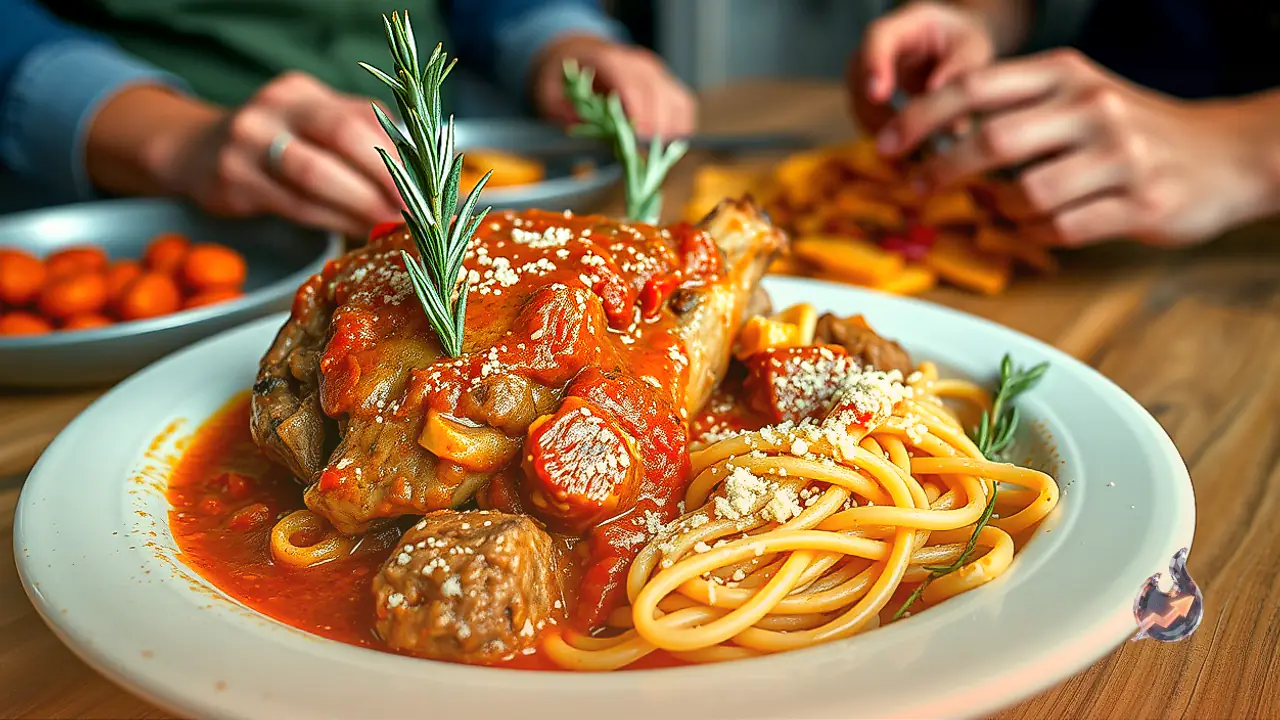
Despite shredding rather than dicing the meat, this preparation remains deeply faithful to classical Italian methods. It begins with a slow-cooked vegetable foundation known as a soffritto, deepens through a rapid red wine reduction, and draws aromatic brightness from generous amounts of fresh rosemary. Patience during the simmering phase is vital, allowing tough connective tissues to soften completely into a silky, cohesive sauce.
Key Ingredients and Smart Substitutions
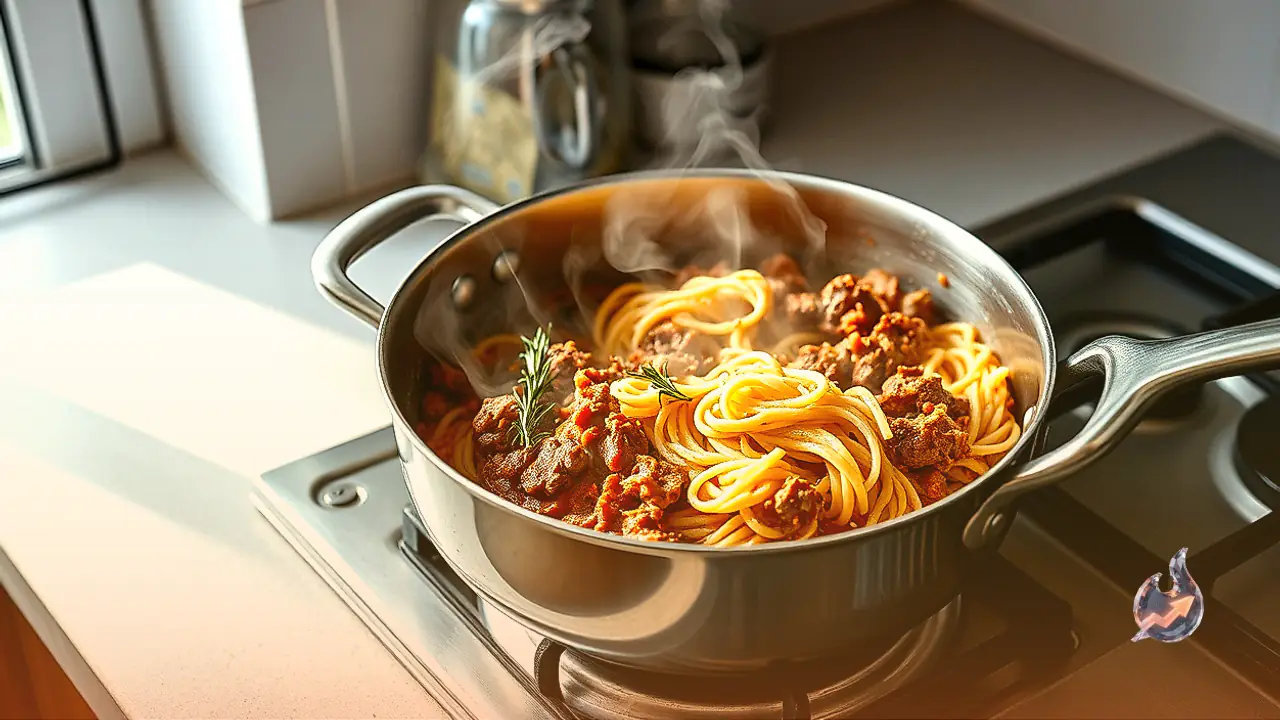
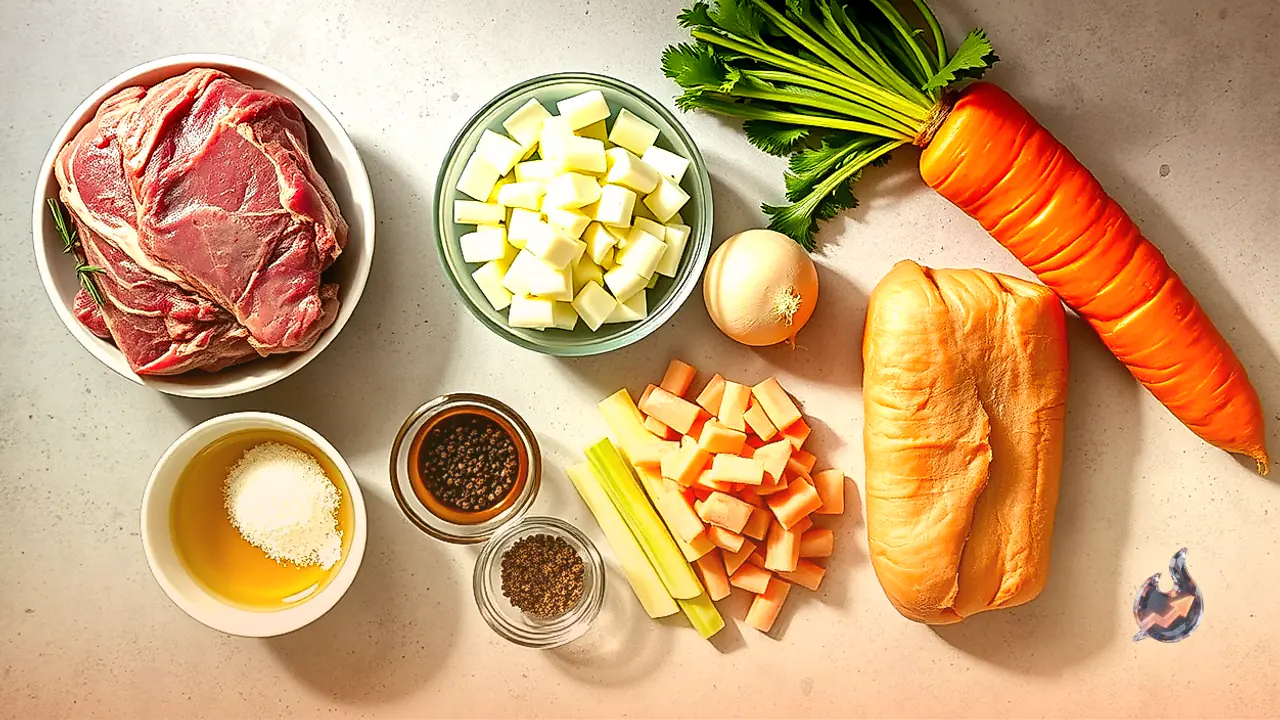
Crafting a balanced lamb ragù requires deliberate ingredient choices to complement the meat's assertive flavor without overpowering it. The ideal cut is a 1.25 kg (2.5 lb) boneless lamb shoulder, trimmed of excess outer fat and sliced into three equal pieces. Dividing the shoulder increases the surface area available for deep searing, which produces essential caramelized flavor deposits on the bottom of the pan.
Alternative cuts can be substituted if shoulder is unavailable. Boneless lamb shanks offer exceptional richness, though the meat tends to crumble into small flakes rather than shredding into long strands; this texture pairs particularly well with concave pasta shapes like orecchiette. Boneless leg of lamb is another viable option, but because it is significantly leaner and lacks the generous intramuscular marbling of the shoulder, the meat will be less succulent, relying more heavily on the sauce for moisture.
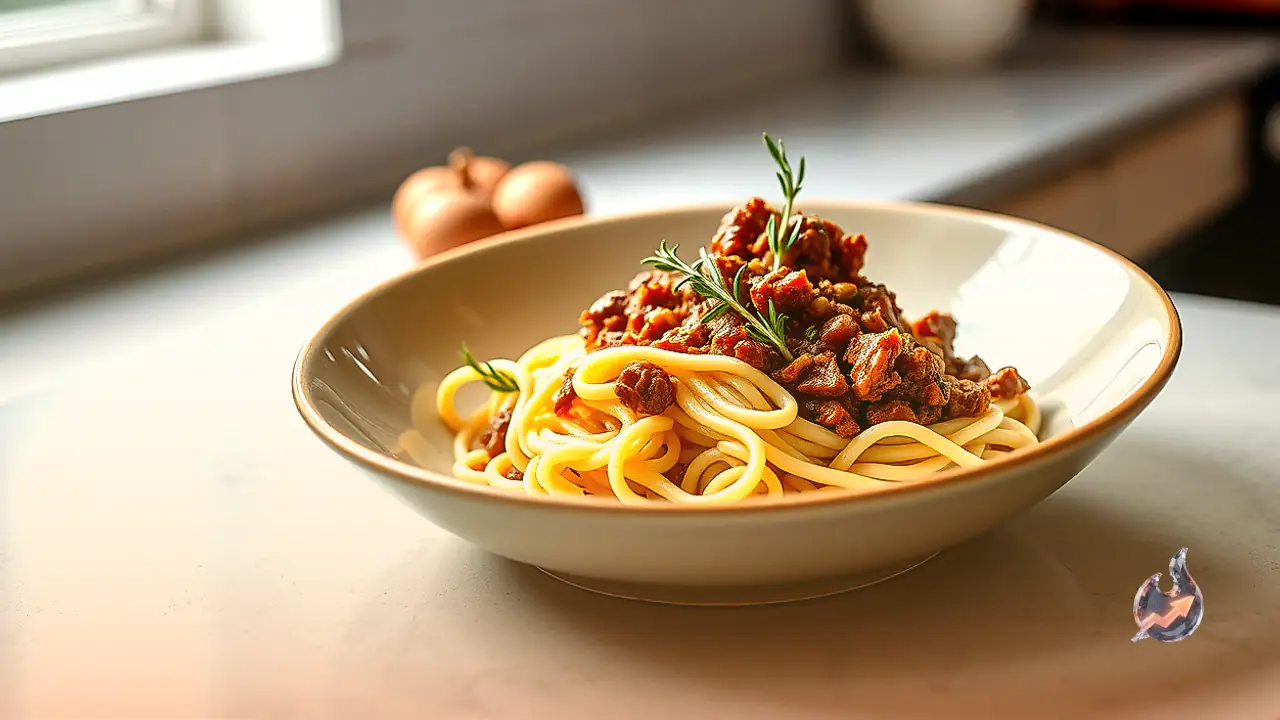
The remaining sauce components work together to build balanced complexity
- Fresh Rosemary: Three long sprigs yield five 10 cm (4-inch) sprigs alongside one tablespoon of finely minced leaves. Fresh rosemary provides essential piney brightness without turning astringent or soapy. Dried rosemary can be substituted at a ratio of 2 teaspoons minced and 1 1/2 teaspoons whole if fresh is unavailable.
- Bay Leaves: Two leaves, preferably fresh, provide an earthy, herbal foundation during the braise.
- Red Wine: 1 1/2 cups of full-bodied dry red wine, such as Merlot or Cabernet Sauvignon. Reducing the wine thoroughly burns off raw alcohol and leaves behind concentrated fruit sugars and acidity. For alcohol-free preparations, an equal measure of dealcoholized wine or additional chicken broth works well.
- Canned Tomatoes and Tomato Paste: A single 400 g (14 oz) can of crushed tomatoes balances the sauce without overwhelming the meat, while 1/4 cup of concentrated tomato paste provides body and umami.
- Broth and Seasoning: 1 1/2 cups of low-sodium chicken stock combined with 2 crumbled beef bouillon cubes provides rich savoriness without obscuring the distinct character of the lamb. Table salt and freshly ground black pepper round out the seasonings.
- The Soffritto Base: One finely chopped onion, two stalks of grated celery, one large grated carrot, and three minced garlic cloves. Grating the root vegetables ensures they dissolve seamlessly into the sauce rather than leaving discernible chunks.
Choosing the Best Pasta Shapes
Pairing ragù requires pasta with substantial structure and meat-catching contours. Wide ribbons of pappardelle represent the gold standard, as their broad flat surfaces provide maximum contact area for shredded lamb and sauce. Other excellent choices include ridged mafaldine, large tubular rigatoni, hollow paccheri, substantial fusilloni, folded casarecce, and rustic boat-shaped capunti paesani. Very delicate or miniature varieties, including angel hair, ditalini, and risoni, should be strictly avoided, as heavy meat ragù easily overwhelms them.
Step-by-Step Cooking Instructions
The complete recipe requires approximately 3 to 3.5 hours, including initial prep, high-heat searing, and a gentle 2.5-hour braise. The sauce can be made up to three days ahead and stored in the refrigerator, or frozen for up to three months.
Begin by seasoning the trimmed lamb portions with 1 teaspoon of kosher salt and 1/4 teaspoon of black pepper. Heat 2 tablespoons of olive oil over high heat in a large, heavy-bottomed Dutch oven. Sear two pieces of lamb until a deep golden-brown crust forms on both sides, approximately 2 to 3 minutes per side. Transfer to a bowl and repeat with the remaining piece, adding a splash of oil if the pot becomes dry. Proper browning leaves behind flavorful browned bits known as fond on the bottom of the pot.
Lower the heat to medium and allow the pot to cool slightly, scraping away any blackened loose pepper fragments. If needed, add a small drizzle of olive oil, then add the chopped onion, grated celery, grated carrot, minced garlic, and 1 tablespoon of chopped fresh rosemary. Sweat this soffritto mixture gently for 7 to 8 minutes until soft, sweet, and translucent, taking care not to let the vegetables brown.
Increase the heat to high and stir in the tomato paste. Cook for 90 seconds, stirring constantly, until the paste transitions from bright red to a deep, caramelized brick-red. Pour in the red wine and bring to a rapid boil, using a wooden spoon to scrape up all caramelized fond from the base. Simmer rapidly until the wine reduces by half.
Add the crushed canned tomatoes, chicken stock, bay leaves, 3 rosemary sprigs, crumbled beef bouillon cubes, 3/4 teaspoon kosher salt, and 1/2 teaspoon black pepper. Stir well, then nestle the seared lamb pieces along with any accumulated meat juices back into the liquid. Bring to a gentle boil, cover with a tight-fitting lid, reduce the heat to low, and slow-cook for 2 to 2 1/2 hours until the meat yields easily under the pressure of two forks.
Transfer the tender lamb pieces to a plate. Leave the pot uncovered on medium heat to begin simmering and concentrating the sauce. Use two dinner forks to shred the lamb into strands, trimming any unwieldy pieces with kitchen shears. Discard the spent rosemary sprigs and bay leaves from the pot. Return the shredded lamb to the sauce along with the remaining 2 fresh rosemary sprigs. Simmer uncovered over medium-low heat for 30 minutes, stirring occasionally, until the sauce thickens into a glossy, rich ragù. Season with additional salt to taste, cover, and keep warm while preparing the pasta.
The Critical Technique of Tossing Pasta
Serving pasta by simply ladling sauce over plain boiled noodles prevents proper emulsification. To achieve genuine restaurant quality, the cooked pasta must be vigorously tossed directly inside the warm sauce with starchy cooking water.
Bring a large pot of water to a rolling boil with 1 tablespoon of salt. Add 500 grams of pasta and cook according to the package directions minus exactly one minute. This leaves the pasta slightly firm so it can finish cooking inside the sauce without becoming mushy. Just prior to draining, ladle out a mugful of cloudy pasta cooking water, then drain the noodles.
Return the drained pasta to its cooking pot and add 5 cups of warm lamb ragù along with 1/3 cup of the reserved pasta cooking water. Place the pot over medium-high heat and toss vigorously with spatulas for 60 to 90 seconds. The starch from the water binds the fat and tomato solids into a cohesive coating that clings to every noodle. If the mixture appears tight or sticky, add another splash of pasta water until glossy and fluid.
Serving Suggestions and Menu Ideas
Distribute the finished pasta into warmed shallow bowls or arrange it on a large family-style platter, finishing with a generous dusting of freshly grated Parmesan cheese. Complete the Italian meal by starting with light appetizers such as tuna carpaccio, warm focaccia, extra-virgin olive oil, balsamic vinegar, and Sicilian olives. Alongside the ragù, serve a crisp arugula salad with balsamic vinaigrette and warm garlic bread, concluding the gathering with a classic tiramisu.