







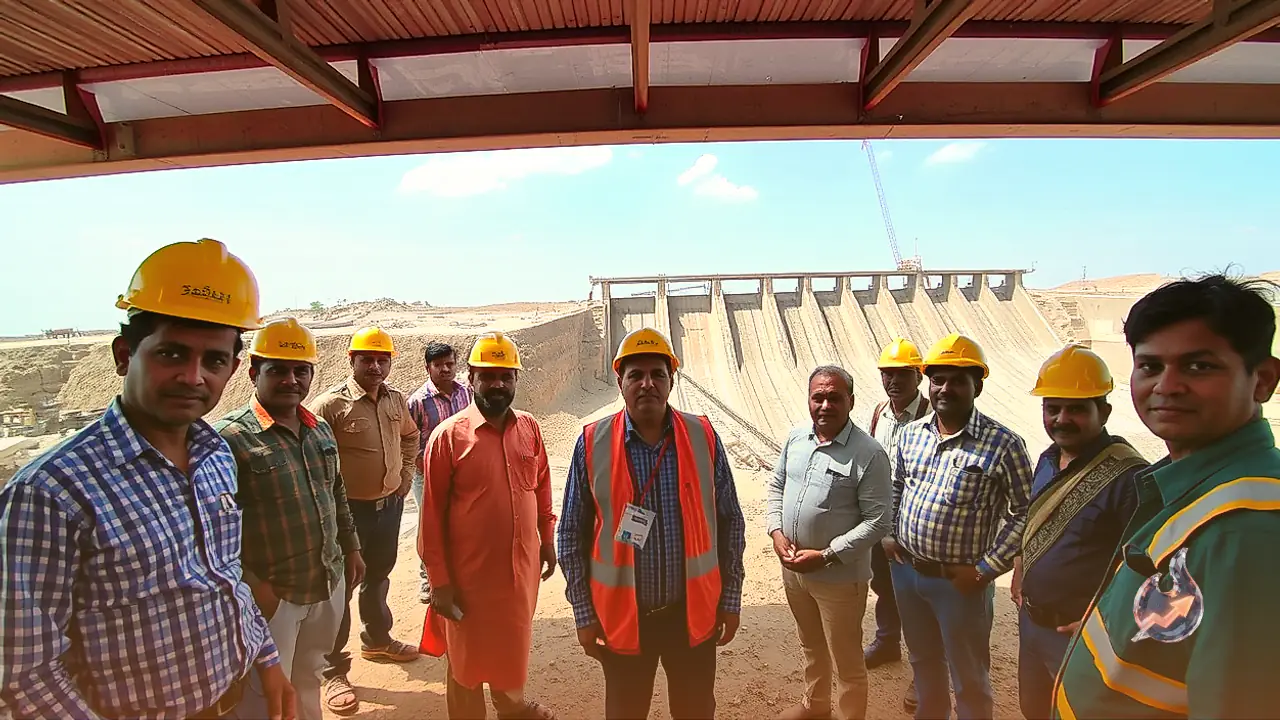















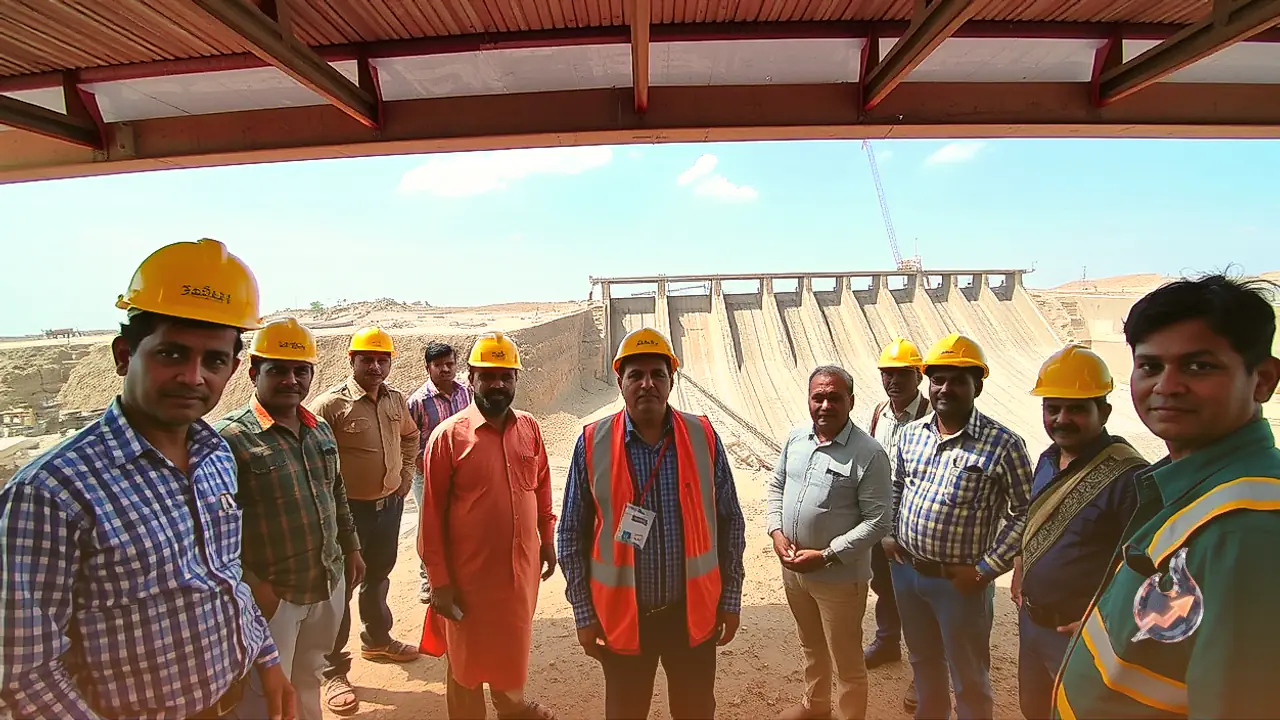

Work on the third and fourth phases of the ambitious Dewas water project is moving forward rapidly to bolster water infrastructure and meet the long term drinking water requirements of Rajasthan. Executed under the leadership of Chief Minister Bhajan Lal Sharma, the project entails building massive storage dams and long underground tunnels across challenging terrain. Once operational, the integrated network will supply approximately 1000 Mcft of additional water each year to Udaipur, reinforcing the urban municipal supply while helping preserve optimal water levels in Lake Pichola and Fateh Sagar Lake.
From an infrastructure perspective, the Dewas development represents a pivotal step in expanding water storage capacity and managing surface water resources efficiently in Rajasthan. By engineering an interconnected network across rugged topography, surplus water will be transferred smoothly from one reservoir to another rather than running off unused. This engineering layout directly addresses the drinking water requirements of urban populations while sustaining lake based tourism activities that form the economic foundation of the lake city.
Dewas Phase 4: Ambawa Dam and 4.15 Km Transfer Tunnel
Under the fourth phase of the project, designated as Dewas-4, construction is underway on a dam with an impoundment capacity of 390 Mcft near Ambawa. Water captured within this reservoir will be channeled through an underground tunnel measuring 4.15 kilometers in length to feed directly into the Dewas Phase 3 infrastructure.
This design focuses on elevating water harvesting and inter-basin transfer efficiency, maximizing the utility of seasonal rainwater gathered across the catchment. The combination of dam storage and deep tunneling plays a central role in tying diverse project segments together into a synchronized hydrological framework.
Dewas Phase 3: 703 Mcft Nathiathal Reservoir and 10.50 Km Tunnel
Under the third stage of the venture, or Dewas-3, a larger reservoir with a storage capacity of 703 Mcft is being erected in the vicinity of Nathiathal. The collected reserves will be transferred through an extensive 10.50 kilometer long tunnel to connect seamlessly with the Dewas-2 network.
Together, the 4.15 kilometer tunnel in Phase 4 and the 10.50 kilometer tunnel in Phase 3 create a subterranean conduit network spanning 14.65 kilometers. By linking isolated storage dams and transfer channels into an integrated distribution pipeline, the project constructs a robust mechanism for regional water management across the Udaipur belt.
Preserving Water Levels in Lake Pichola and Fateh Sagar
Upon final commissioning of Dewas-3 and Dewas-4, the projected inflow of 1000 Mcft of water per year will substantially de-risk municipal supply networks in Udaipur. Beyond household pipelines, this steady supply will serve as an essential lifeline for Lake Pichola and Fateh Sagar Lake by preventing depletion during dry summer spells.
Both lakes define the cultural identity and tourism appeal of Udaipur. Maintaining healthy water levels throughout the year directly protects hospitality, boating operations, and travel enterprises, ensuring that businesses and workers dependent on local tourism can operate without seasonal water distress.
Strategic Infrastructure Against Urbanization and Water Scarcity
With ongoing population growth, expanding urban centers, and escalating municipal demand across Rajasthan, dependable storage and transfer infrastructure has become a necessity. The construction of twin reservoirs and extensive rock tunnels under the Dewas initiative directly addresses these structural vulnerabilities.
When completed, the venture is expected to establish durable water security for Udaipur for years to come. Planners emphasize that the full realization of these projections will ultimately rest on timely civil construction, rainfall patterns in the catchments, and regular operational maintenance of the transfer systems.