
























A growing number of modern comfort food recipes call for bulk sausage meat as a primary ingredient, whether it is for a hearty pasta ragu, baked breakfast hash, or savory stuffing. In the United States, packaged ground meat without skins is standard supermarket fare, commonly labeled as bulk Italian sausage. Across Australia, India, and much of the rest of the world, however, home cooks are typically forced to buy standard linked sausages and manually squeeze the greasy filling out of delicate, sticky casings. It is a messy, time-consuming chore that often tears the thin casing and slows down dinner prep. The most practical and cost-effective remedy is simply preparing the seasoned meat mixture completely from scratch using staple spices and minced meat.
Understanding Bulk Meat Versus Linked Sausages
It is important to clarify that this method is intended strictly for the loose seasoned meat filling, not for stuffing and curing actual cased sausages. Making traditional breakfast or dinner links requires specialized casings, stuffing tubes, specific meat-to-fat ratios, and precise grinding textures to yield that signature snap and plump moisture. In contrast, bulk sausage meat functions exactly like seasoned mince. It is formulated to be browned loose in a skillet, formed into breakfast patties, rolled into tender meatballs, or scattered across baked dishes. Making it at home provides full control over sodium levels, spice intensity, and ingredient freshness without commercial additives.

Key Ingredients and Sensible Substitutions
The foundation of genuine Italian sausage lies in a balanced spice blend paired with quality meat. The base requires 500 grams (1 pound) of ground pork. Pork fat carries the bulk of the flavor and keeps the cooked meat exceptionally soft and succulent. A 20 to 25 percent fat ratio delivers the best result, though standard supermarket ground pork at roughly 17 percent fat works very well. Lean varieties, such as heart-smart ground pork, can certainly be used, but the finished texture will be noticeably firmer and less juicy. For those avoiding pork, ground chicken or ground turkey serves as a functional substitute; because poultry is inherently leaner, it performs best in broths, soups, or saucy pasta preparations rather than standalone fried patties.
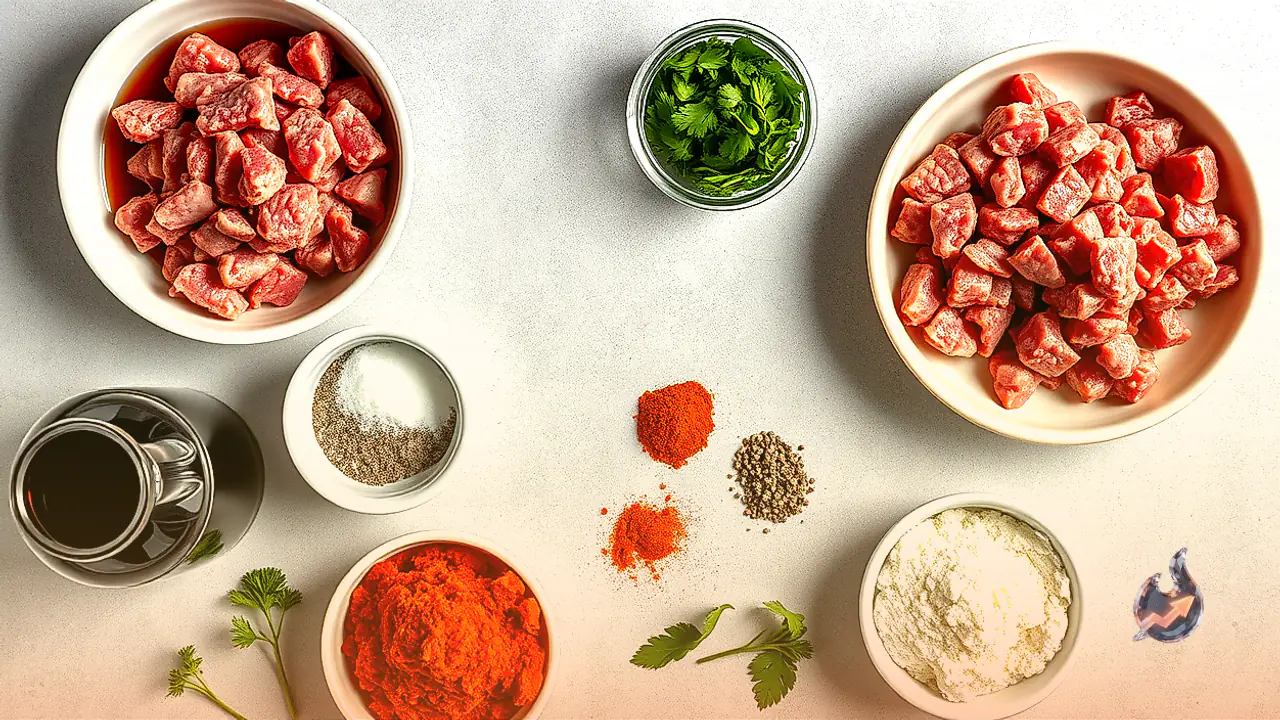
The quintessential Italian aroma comes from whole fennel seeds that are lightly toasted in a dry skillet until fragrant and then coarsely cracked in a mortar and pestle. Fennel is the non-negotiable signature spice here; while pre-ground fennel powder can substitute in a pinch, freshly toasted crushed seeds provide a far superior floral punch. The remaining spice blend includes 1 tablespoon of sweet paprika (avoid hot or smoked paprika to preserve the classic profile), 1 teaspoon of onion powder, 1 teaspoon of garlic powder (or one large, finely grated fresh garlic clove), half a teaspoon of black pepper, half a teaspoon of dried red pepper flakes for subtle warmth, half a teaspoon of dried thyme, half a teaspoon of dried oregano, a quarter teaspoon of dried basil, and 2 tablespoons of finely chopped fresh parsley. A level measure of 1 and a quarter teaspoons of kosher or cooking salt binds the flavors together, complemented by 1 tablespoon of dry red wine, such as Pinot Noir, Shiraz, or Cabernet Sauvignon, which can be skipped entirely for an alcohol-free mix.
Step-by-Step Preparation and Marination Guidelines
Assembling the mixture requires minimal effort and takes only five minutes. Simply place the ground pork into a spacious mixing bowl, scatter the entire array of herbs, spices, salt, and parsley evenly across the top, and pour in the splash of dry red wine. Using clean hands, thoroughly mix and knead the meat until the seasonings are completely integrated and the mixture feels cohesive. While letting the seasoned pork rest covered in the refrigerator for 24 hours allows the herbal notes to permeate deeply, immediate cooking delivers excellent results for weeknight dinners where time is limited.
Versatile Culinary Uses in Everyday Cooking
Having a batch of freshly mixed Italian sausage meat unlocks countless culinary opportunities across breakfast, lunch, and dinner
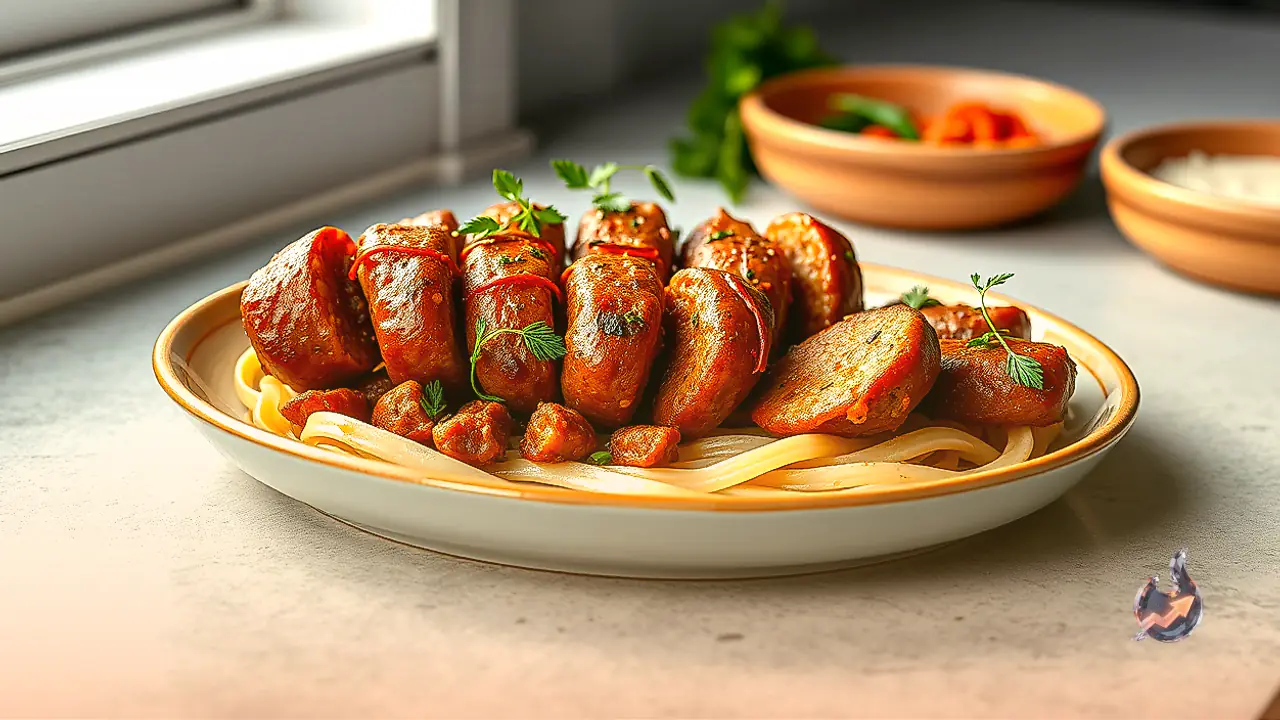
- Pasta Sauces and Stews: Brown the loose meat in a skillet with olive oil to build the base for a velvety tomato-and-sausage orecchiette sauce or a slow-simmered pappardelle ragu. It also provides the essential savory backbone for creamy Zuppa Toscana soup.
- Breakfast Patties and Sandwiches: Divide the meat into round portions, flatten them into discs, and pan-fry over medium heat until deeply caramelized on both sides. Serve them alongside eggs or sandwich them with melted cheese inside an English muffin.
- Tender Italian Meatballs: Roll the mixture into bite-sized balls and simmer them directly in marinara sauce or bake them on a sheet pan. Because the sausage meat is already salted, eliminate any added salt from traditional meatball recipes to avoid over-seasoning.
- Pizza and Flatbread Toppings: Pinch small raw crumbles across homemade pizza dough alongside tomato sauce, mozzarella, and vegetables for an authentic meat-lovers pie that browns crisp in a hot oven.
- Savory Bakes and Egg Dishes: Lightly sauté the meat into bite-sized morsels before folding it into quiches, vegetable frittatas, cheesy garlic muffins, breakfast potato hashes, or layered zucchini slices.
Storage Windows and Nutritional Breakdown
Properly sealed in an airtight container, the seasoned meat mixture remains fresh in the refrigerator for as long as the original safe-use date on the packaged pork. For long-term meal prep, it freezes exceptionally well for up to 3 months. Based on 4 standard servings, each portion delivers roughly 347 calories, 22 grams of protein, 27 grams of total fat, 10 grams of saturated fat, 3 grams of carbohydrates, 801 milligrams of sodium, 450 milligrams of potassium, 90 milligrams of cholesterol, and 2 milligrams of iron. Crafting this bulk sausage meat at home guarantees superior flavor while eliminating messy kitchen cleanup.