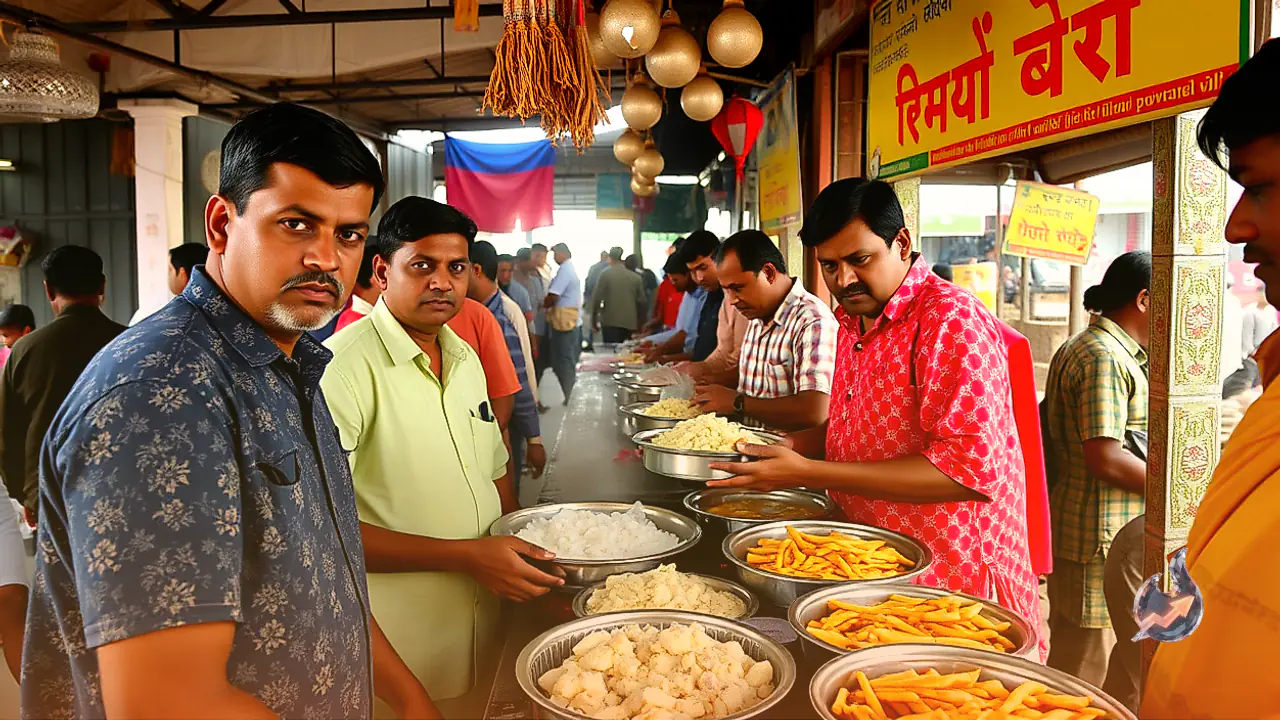























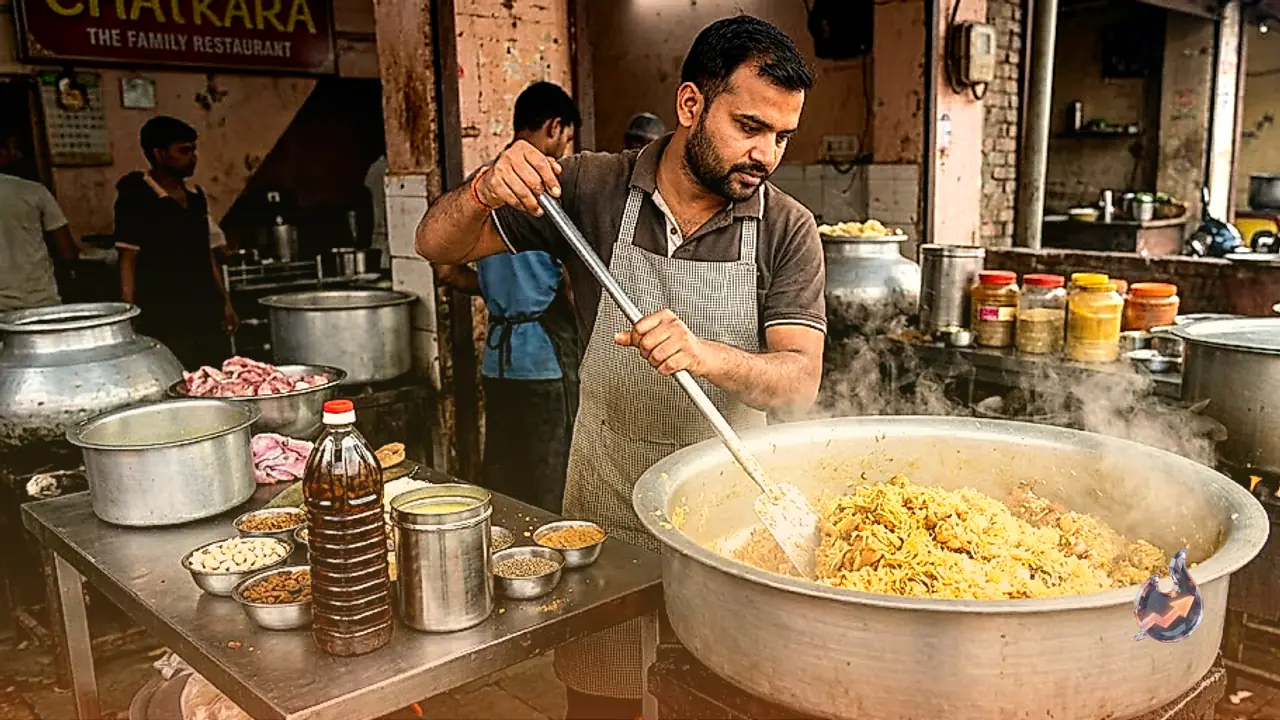

For lovers of good food, the balance of aroma and robust seasoning defines a memorable plate of biryani, and infusing traditional culinary methods elevates the experience significantly. While commercial eateries frequently depend on refined oil, which can dilute the richness of spices, an eatery in Uttar Pradesh brings a rustic touch to the dish. Abhishek Yadav, owner of Chatkara The Family Restaurant located in Mau, has shared the distinct technique behind his popular chicken biryani. Instead of refined cooking oil, his kitchen relies on pure mustard oil, homemade spice blends, and clarified butter, lending the preparation a deep, earthy aroma and rich flavour. Home cooks looking to replicate this roadside comfort can follow the same step-by-step process in their own kitchens.
Setting the Base With Mustard Oil and Whole Spices
The foundation of this biryani begins with selecting a sturdy, broad pot or traditional cooking basin placed over the stove to heat thoroughly. Once the cookware reaches the right temperature, pour in a generous amount of mustard oil. Mustard oil requires adequate heating so its sharp raw edge mellows out into a pleasant nutty aroma. Once the oil is hot, add bay leaves to release their herbal notes before dropping in sliced onions. The onions must be cooked thoroughly until they achieve a deep red, golden-brown hue. Achieving this rich caramelization is crucial, as properly browned onions provide the depth, colour, and aromatic body of the entire gravy base.
Building the Gravy Base and Simmering the Chicken
After the onions have browned properly, add garlic paste along with chopped tomatoes into the pot. Sauté the mixture continuously until the tomatoes break down completely and oil begins releasing from the edges. Next, stir in ginger, salt according to taste, and a gentle dusting of basic spices. Pour in a splash of water to keep the spices from scorching and let the mixture simmer gently for a few minutes. Once the gravy comes together into an aromatic paste, introduce the chicken pieces into the vessel. At this stage, incorporate both a homemade spice blend and commercial garam masala over the meat. Stir the chicken so each piece is coated, allowing it to cook patiently in the bubbling gravy until the meat turns tender and absorbs every drop of seasoned sauce.
Incorporating Rice, Dry Fruits, and Clarified Butter
With the chicken cooked to perfection in its thick gravy, add pre-boiled rice directly into the pot. Gently fold the rice and chicken together so the aromatic seasonings evenly coat the grains from bottom to top. To elevate the preparation beyond ordinary fare, the recipe introduces dry fruits into the mix, featuring a combination of cashews, almonds, and raisins. These nuts add texture and subtle crunch, while the raisins introduce an exquisite, mild sweetness that counters the spicy gravy. To finish, drizzle fragrant desi ghee generously over the top. The combination of the mustard oil base, homemade spices, nuts, and ghee delivers a truly rustic profile, which becomes even more delightful when paired with fresh chutney.
Daily Demand and Service Routine at Mau Restaurant
Providing insight into his daily operation, Abhishek Yadav explains that his restaurant serves this chicken biryani starting from 11 am until late in the evening. The kitchen adopts a batch-cooking approach, preparing only measured quantities so that portions are served piping hot and finished fresh. Whenever footfall peaks and customer orders surge, the kitchen prepares a fresh second batch during the day to keep up with demand. At the restaurant, a half-plate portion is priced at 70 rupees, served with two chicken pieces alongside a generous mound of spiced rice. For home enthusiasts, following this specific combination of mustard oil tempering, homemade seasonings, dry fruits, and desi ghee allows anyone to recreate that authentic regional magic at their own dining table.