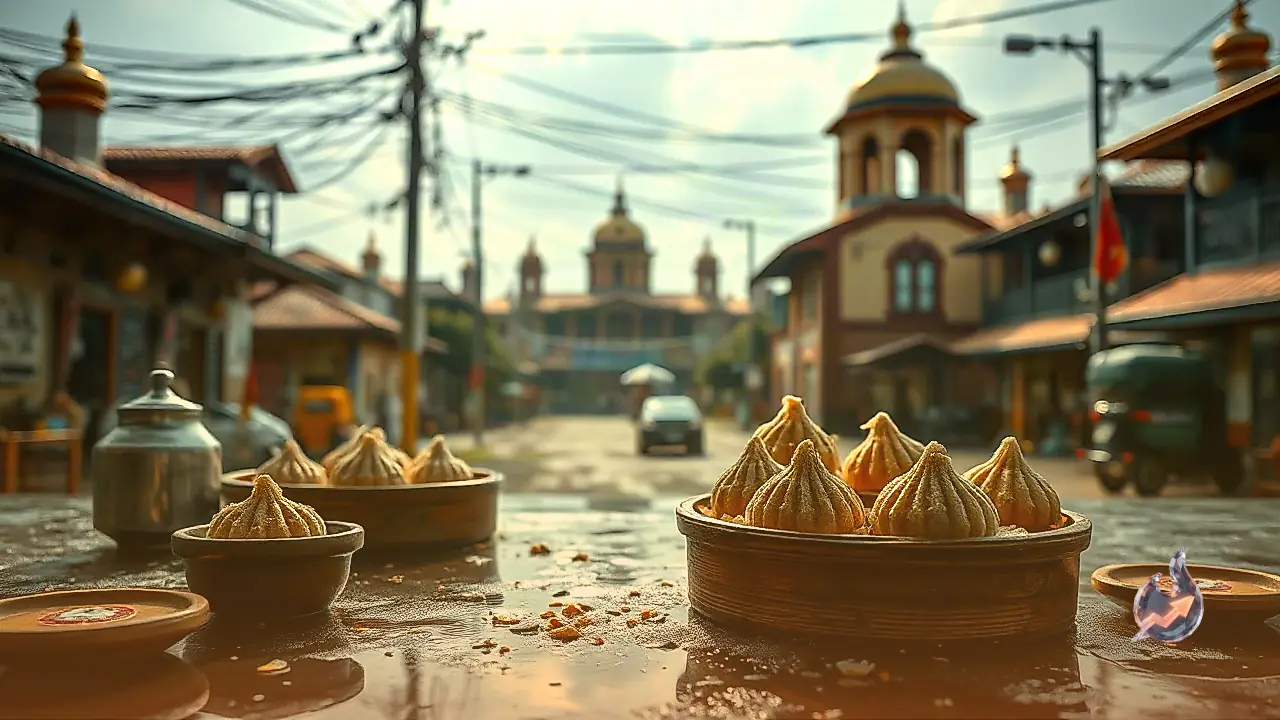
























Traditional Indian confectionery relies heavily on rich milk solids for taste and texture. Whenever recipes call for preparing delicacies such as gulab jamun, peda, barfi, or kalakand, buyers and home cooks often wonder whether mawa and khoya represent two completely distinct ingredients. Many believe that mawa is naturally softer while khoya is consistently firm, assuming they come from different processing techniques. In reality, both terms refer to the exact same dairy solid, with variations existing solely in moisture content and regional terminology.
Regional Origins and Traditional Preparation
Whether termed mawa, khoya, khoa, or kova, these names describe a single primary dairy staple. The process involves gently simmering milk in an open pan, stirring continuously to evaporate nearly all water content until a dense mass remains. In northern parts of India, the term khoya remains the dominant everyday word, whereas across Gujarat, Rajasthan, and Maharashtra, the exact same ingredient is universally referred to as mawa. The base ingredient and underlying chemical composition remain identical across all these areas.
Making this product at home requires straightforward culinary steps. Pour fresh milk without adding water into a heavy pan and place it over heat until the moisture evaporates completely. Consistent stirring prevents the milk solids from scorching or sticking to the base, ensuring even cooking throughout. Depending on the final dish planned, the remaining moisture level can be controlled, and a pinch of cardamom powder can be incorporated toward the end to enhance aroma and taste.
Three Distinct Varieties and Culinary Uses
Based on texture, cooking duration, and retained moisture, culinary tradition categorizes this milk solid into three clear types
- Pindi or Batti Khoya: This variety is firm, dry, and dense due to minimal remaining moisture. It is best suited for molding sweets like peda, specific styles of barfi, and firm gulab jamuns that need to maintain structural shape.
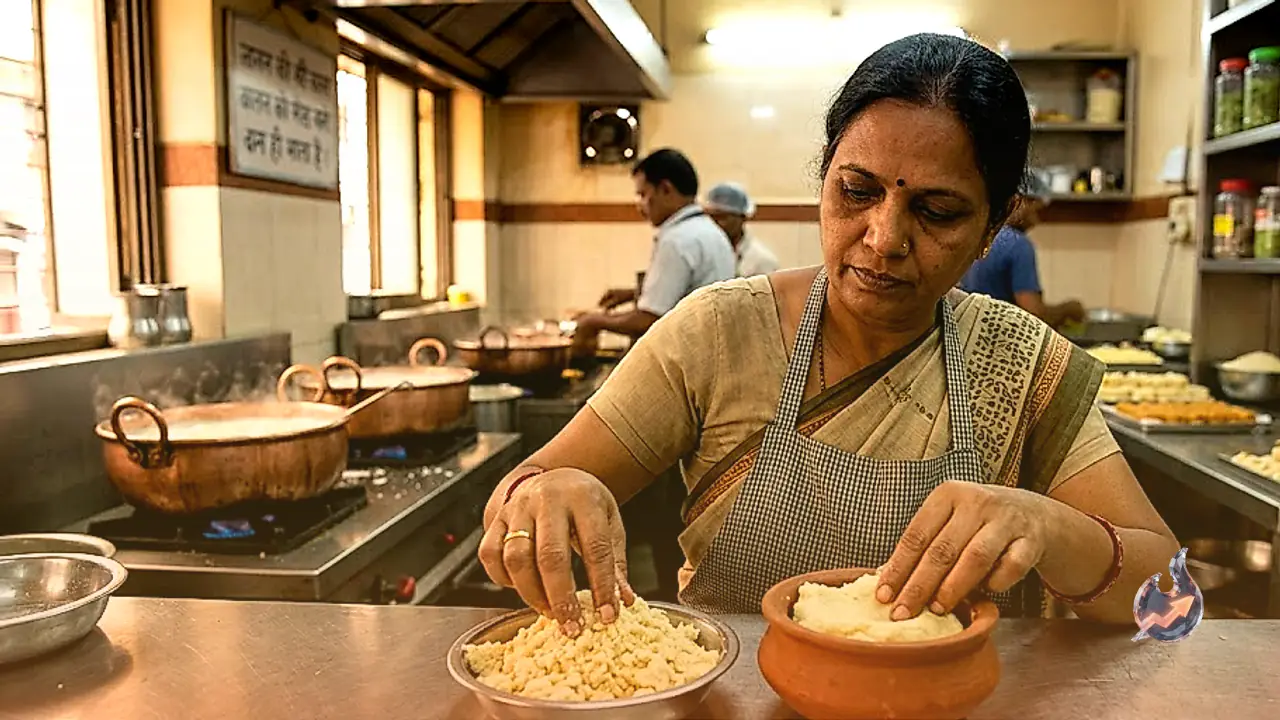
- Danedar Khoya: Processed to retain a delicate granulated consistency, this type has visible tiny curds. It serves as the primary base for textured desserts, notably kalakand and similar crumbly traditional sweets.
- Chikna or Dhap Khoya: Prepared with higher moisture content, this variant remains soft, malleable, and smooth. It blends effortlessly into preparations like halwa, rich rabri, and other tender desserts that require a melt-in-the-mouth texture.
Quality Checks and Buying Precautions
Selecting unadulterated stock from sweet shops or markets demands careful observation. High-grade mawa or khoya delivers a gentle, pleasant dairy scent, possesses an even tone throughout, and feels tender yet subtly grainy between the fingertips.
Buyers should strictly avoid products that show excessive stickiness, carry an offensive sour odor, or display unnatural discoloration. Truly pure khoya contains no added starch, synthetic coloring agents, or blended sugars, maintaining the wholesome taste of simmered milk.