





















In Madhubani and across the wider Mithila region, weddings come with a sweet tradition of their own: a dish called Guna Muna. Far more than just a treat, it is tied to the age old ritual of welcoming a new bride into her husband's home. Made from wheat flour and jaggery, Guna Muna is prized both for its rich taste and for the special place it holds in Mithila's cultural life.
A Signature Dish Of Mithila's Kitchens
Mithilanchal is known across India for its rich culture and its distinct traditional dishes, with different festivals, auspicious occasions and family functions each having their own special preparations. Guna Muna is one such dish, made chiefly around weddings. Preparing it takes real effort and time, yet in Mithila households the bride welcoming ritual is considered incomplete without it. Its biggest advantage is that once made, it can be stored safely for 15 to 20 days without spoiling, holding on to its flavour for a long stretch. That is why families often prepare it well in advance and keep it ready at home.
Woven Into The Ritual Of Welcoming A New Bride
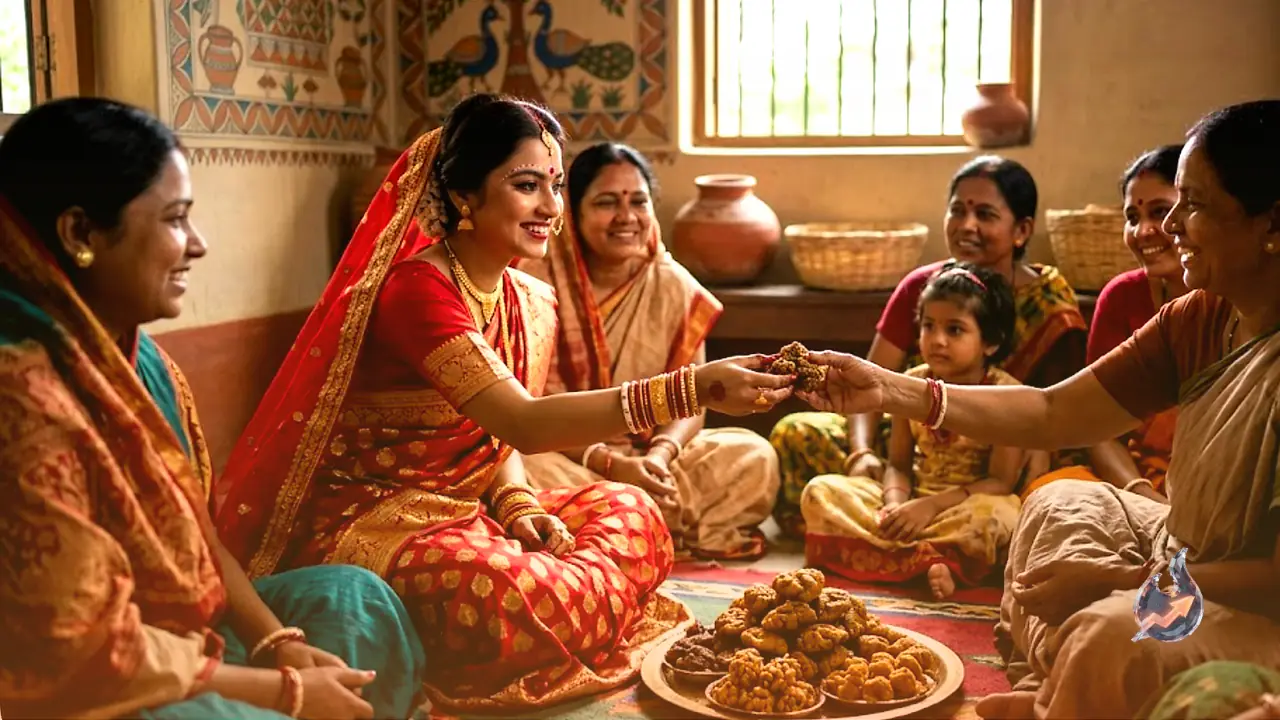
Guna Muna is made on ordinary days too, but it takes on special significance once a newly married bride arrives at her in-laws' house for the first time. The women of the household usually come together to prepare it a day before the bride's arrival. When relatives, neighbours and people from the village visit to see the new bride, it is Guna Muna, rather than shop bought sweets, that is served to them. Local women Ritu and Pushpa say it is not merely a food item but part of Mithila's traditional hospitality and cultural heritage, one that many families continue to observe today with genuine devotion and enthusiasm.
How Guna Muna Is Made
In the Maithili language, Guna Muna is also known as 'aibhafar'. It is prepared using wheat flour, jaggery, water, fennel seeds and a small amount of moyan, a mix of oil worked into the flour. Oil or refined oil is first heated and blended into the flour as moyan, after which the dough is kneaded thoroughly using jaggery water. Once the dough is ready, it is covered and left to rest for a while. Small portions are then shaped by hand into long, somewhat thick pieces resembling a rolling pin. These are fried in refined oil or ghee over a low flame until they turn golden. Because Guna Muna pieces are fairly thick, slow frying on a low flame is essential to cook them properly all the way through. When made correctly, the sweet stays safe to eat for several days without spoiling.
Born Of Modest Means, Still Very Much Alive
When the new bride reaches her in-laws' home and people arrive to see her, they are given Guna Muna to sweeten their mouths, and the bride is blessed in turn. Elders in the community recall that in earlier times, with limited financial means, families made this flour and jaggery sweet instead of costlier options. Economic conditions have since changed, and markets today are full of every kind of sweet, yet the tradition of making Guna Muna has not faded. It has grown beyond being just a dish and become a cultural ritual in its own right. Maithili speaking families, whether living in India or abroad, continue to prepare Guna Muna during weddings and other auspicious occasions as they keep this custom alive. That continuity is why this traditional sweet still carries forward Mithilanchal's cultural identity and its culinary heritage.