



















Tensions between the United States and Iran have once again escalated to a dangerous level, with Tehran issuing a stern warning to Washington. Iran has declared that if all the terms of an interim peace agreement are not fully implemented within the coming weeks, it will launch military actions in the Strait of Hormuz and surrounding regions.
Tehran Threatens Military Action Over Hormuz Blockade
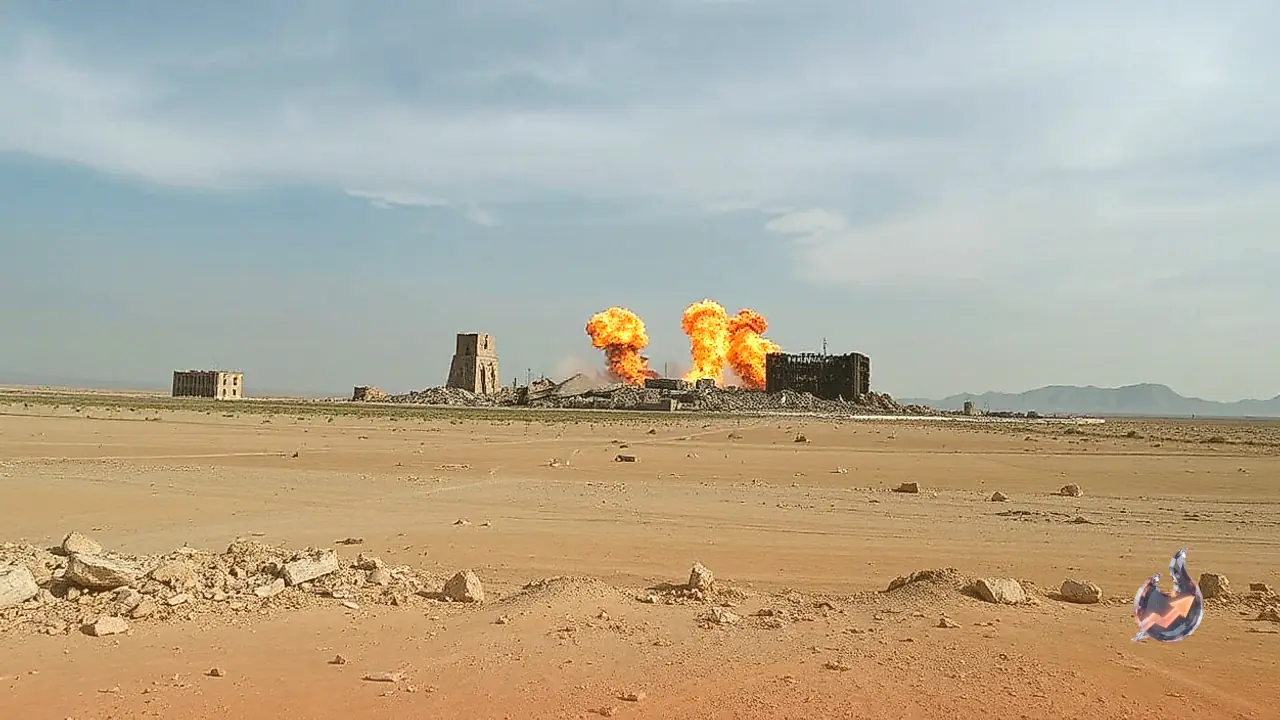
According to a senior Iranian official, if the US fails to implement the accord within the stipulated deadline, Iran will strike across the Strait. Tehran is prepared to execute precise military strikes in order to break the American naval blockade. The official noted that Iran is shifting its strategic posture from defensive to offensive, as its confidence in achieving a resolution through diplomacy with the US continues to dwindle rapidly.
Donald Trump Demands Surrender and Alleges Secret Channels
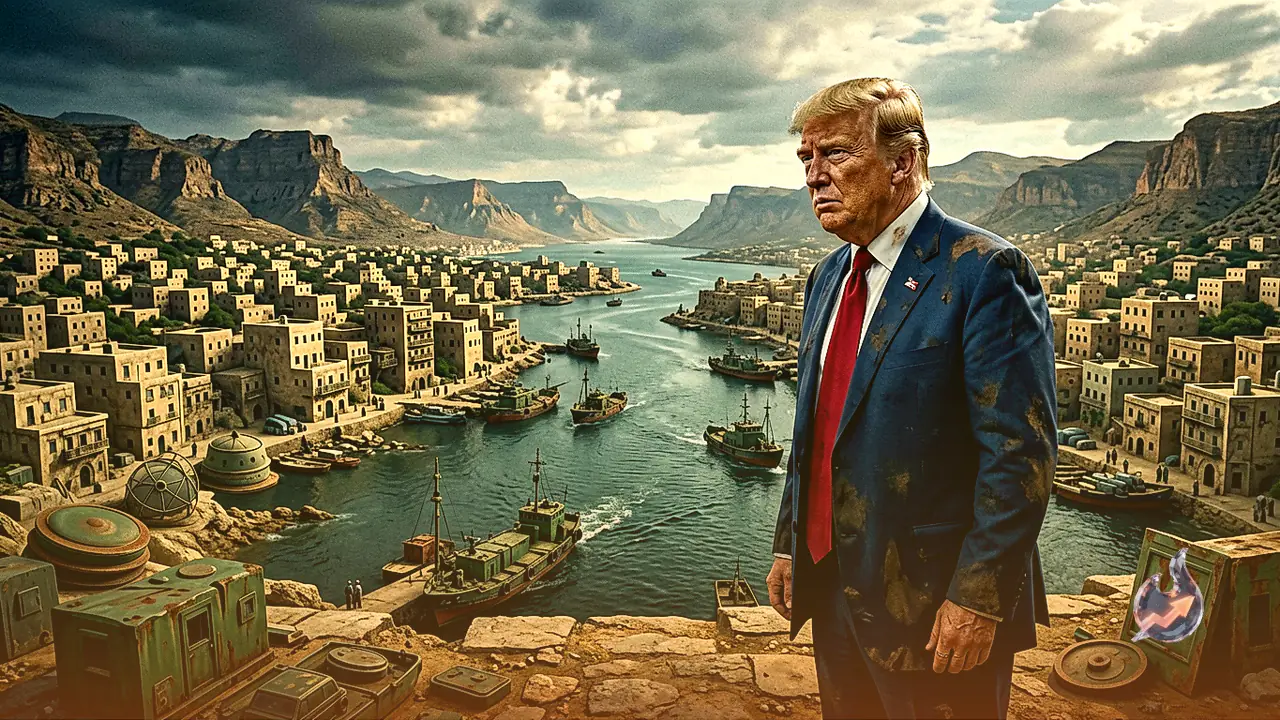
This fiery stance from Iran follows a sharp statement from Donald Trump, who labeled Iran as the defeated party and asserted that Tehran should wave a white flag of surrender. Trump remarked that while Iranians are skilled poker players, they have now found themselves in serious trouble. Furthermore, Trump made a significant claim that the US maintains a secret backchannel with Iran's Islamic Revolutionary Guard Corps, or IRGC, with American officials engaging in direct communication with IRGC personnel inside Iran.
Global Stakes in the Strait of Hormuz
The Strait of Hormuz remains one of the most critical maritime trade corridors in the world. Any military escalation or disruption in this vital waterway threatens global oil supplies and international markets alike. Iranian officials argued that the US lacks genuine seriousness regarding a ceasefire and shows no real desire to commit to a permanent cessation of hostilities. Consequently, relying solely on intermediaries and hoping for a lasting truce is no longer seen as a viable strategy.
Stalled Diplomacy and Unresolved Demands
Efforts had been underway to bring the US and Iran back to the negotiating table based on an agreement reached in June, but diplomatic momentum has stalled over the past few weeks. Iran's foreign minister has already stated unequivocally that the Strait of Hormuz will not be reopened until the United States returns to the terms of the agreement.