






















On August 4, an Air India Airbus A320 aircraft operating flight AI 2379 from Phuket to Delhi experienced a dangerous mid-air incident when its altitude suddenly plummeted by approximately 300 feet. The aircraft was carrying 137 passengers, including three children, alongside eight crew members. The abrupt loss of altitude sent shockwaves through the cabin before the co-pilot quickly intervened, regained control of the aircraft, and guided it to a safe landing at Delhi airport. However, the turbulence and sudden shift in forces caused injuries to 20 passengers and four cabin crew members. Subsequent investigations have uncovered a startling finding: the pilot-in-command tested positive for marijuana during mandatory psychoactive substance screening.
Cockpit Dynamics and the Sudden 300-Foot Altitude Drop
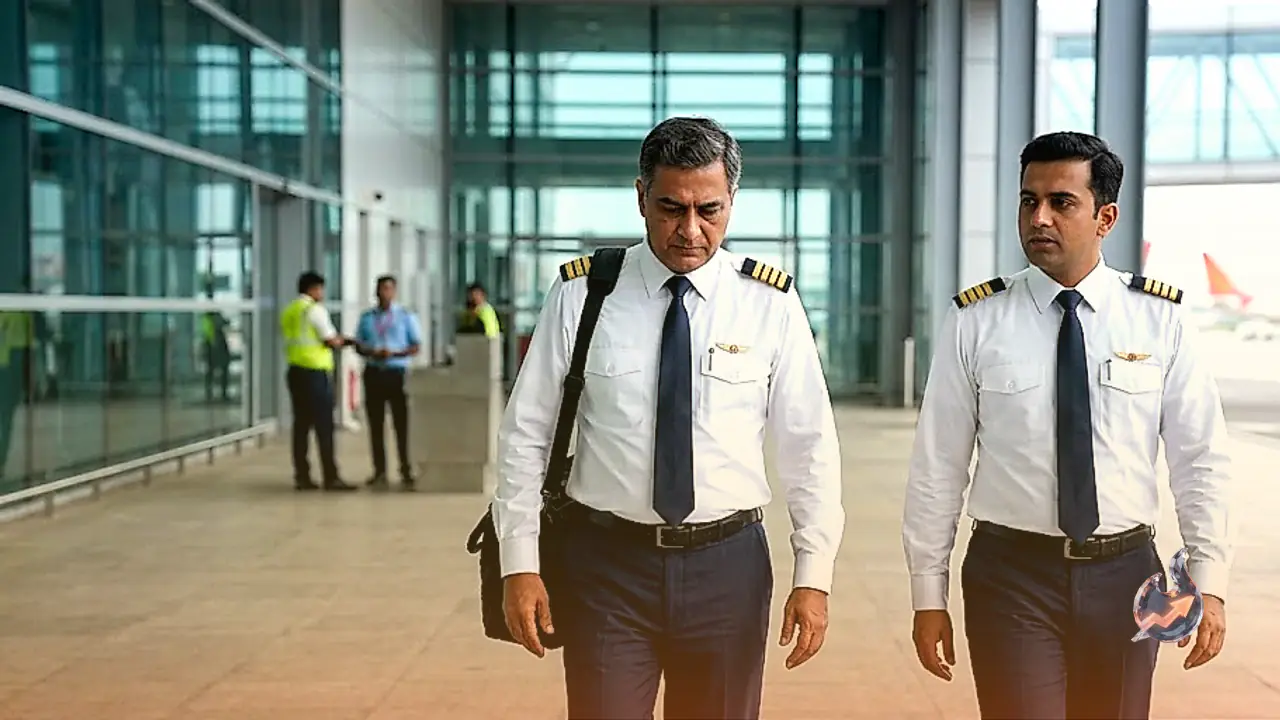
Analysis of the flight parameters reveals that at the moment the Airbus A320 experienced the sudden altitude drop, the pilot-in-command (PIC) was standing and leaning over behind the co-pilot's seat inside the cockpit. The rapid descent subjected the aircraft to a brief period of negative-g force. This weightless condition caused the PIC and various loose items within the cockpit to float momentarily off the floor.
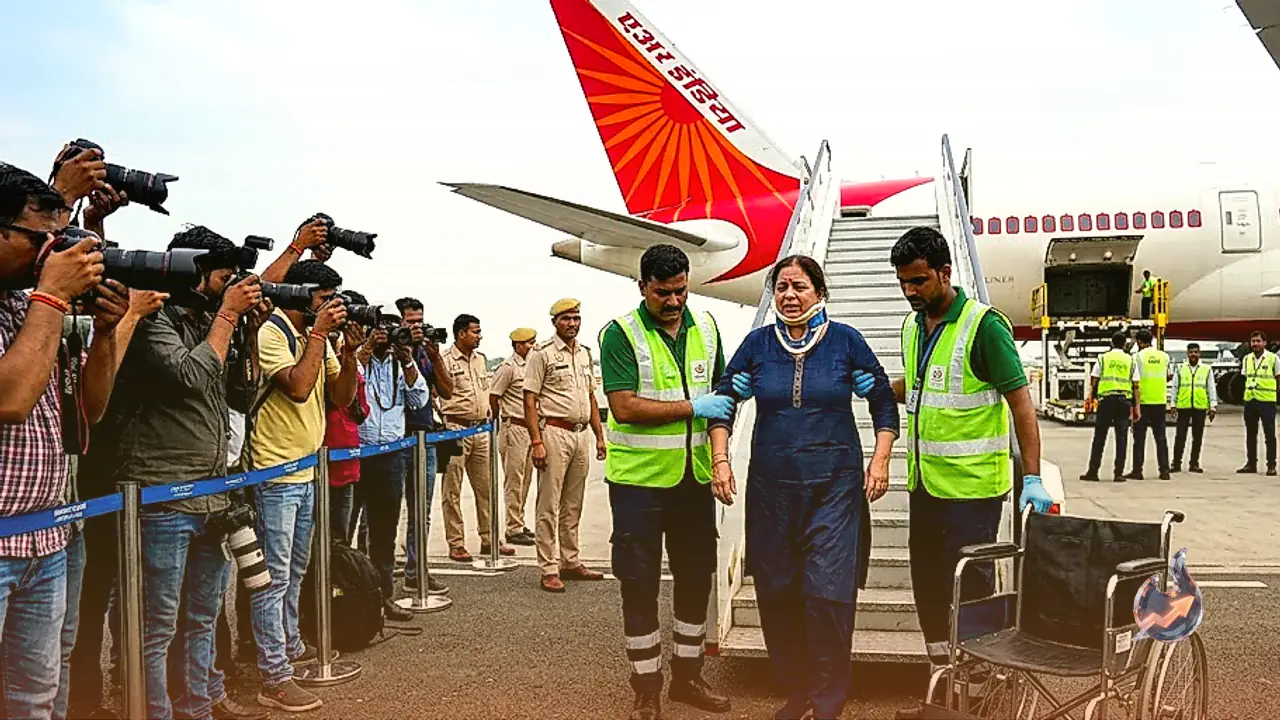
A similar chaotic scene unfolded inside the passenger cabin. Passengers who had not fastened their seatbelts were lifted out of their seats and thrown against the cabin ceiling and overhead structures. In total, 20 passengers and four cabin crew members sustained injuries due to the impact. The co-pilot’s prompt action in taking control of the flight instruments averted a potential catastrophe, stabilizing the aircraft and managing the remaining journey to Delhi safely.
Drug Screening Results and Laboratory Confirmation
Following the erratic movement of the aircraft and concerns regarding the PIC's behavior during the flight, ground control was alerted. Based on reports from the co-pilot and cabin crew, airline authorities took the unusual step of ordering a comprehensive psychoactive substance test for the cockpit crew, rather than relying solely on standard breathalyzer tests that detect alcohol consumption.
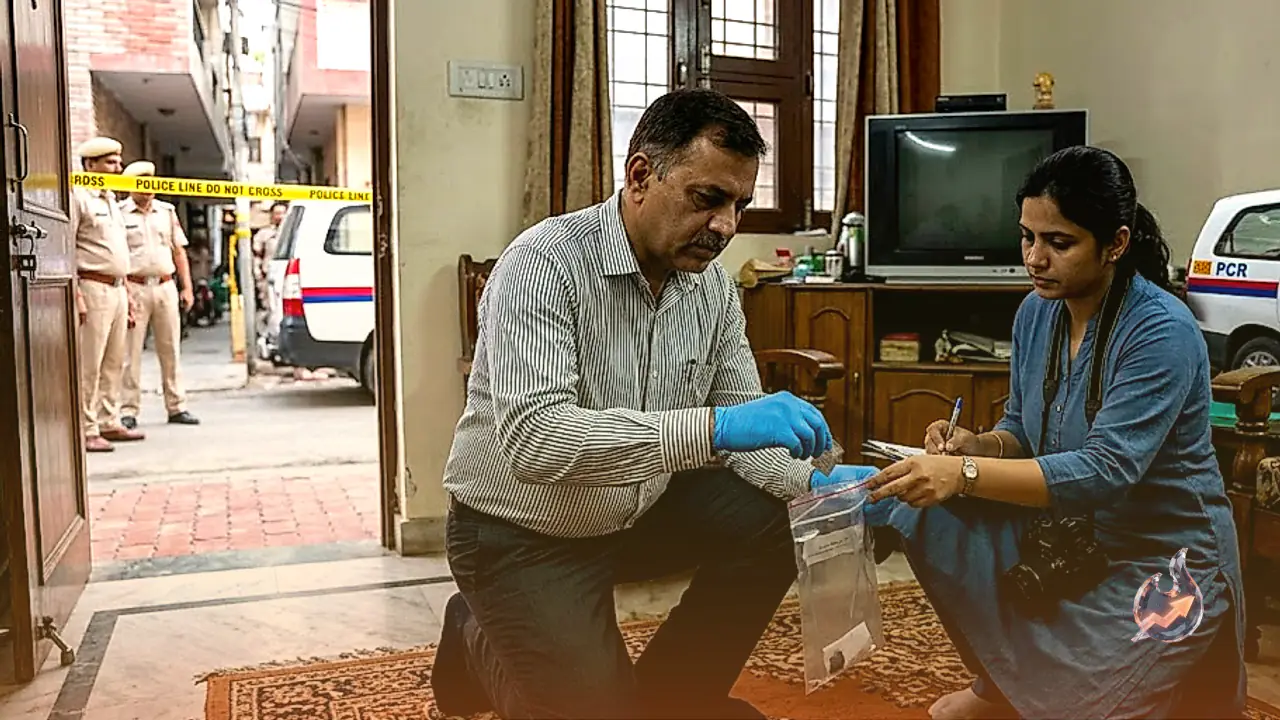
The initial drug screening of the pilot-in-command returned a not negative result for psychoactive substances. Following established aviation protocols, the pilot's biological samples were dispatched to an accredited laboratory for confirmatory testing. The secondary laboratory test definitively confirmed the presence of marijuana in the pilot's system. Investigative authorities have since secured all related medical reports, crew statements, flight data, and procedural records under official confidentiality frameworks.
Cabin Crew Complaints and Legal Consequences
Cabin crew members aboard flight AI 2379 submitted a formal complaint to Air India management, detailing the PIC's visibly intoxicated state and inappropriate conduct during flight operations. The crew highlighted that the pilot's impaired state posed a direct threat to the safety of all 145 individuals on board, comprising 137 passengers and eight crew members.
Beyond internal disciplinary measures, the pilot faces stringent regulatory action under the Directorate General of Civil Aviation (DGCA) framework. Under DGCA rules, pilots testing positive for illegal psychoactive substances are suspended and required to undergo mandatory rehabilitation at a certified de-addiction facility. Flight clearance can only be reissued after full medical recertification confirming complete rehabilitation. Furthermore, given the severity of risking passenger lives, the pilot faces potential criminal prosecution under civil aviation safety laws.
AAIB Probe and DGCA Regulatory Review
India’s Aircraft Accident Investigation Bureau (AAIB) has launched a thorough investigation into the incident. AAIB officials are collecting, preserving, and evaluating technical, operational, medical, and human factor evidence. Government authorities stated that the AAIB is systematically analyzing cockpit voice records, flight telemetry, and crew statements in accordance with established international accident investigation protocols.
In the wake of the incident, the DGCA is reviewing its current drug testing protocols for flight crews. Concurrently, senior pilot organizations in India have raised demands for a clear regulatory distinction between pilots who test positive due to prescribed medications for insomnia or anxiety and those who consume illicit recreational drugs like marijuana. Airlines currently maintain designated lists of restricted prescription drugs that pilots must avoid prior to flying due to drowsiness risks.
Safety Questions and Impact on Air India
The incident has raised fresh concerns regarding operational oversight, crew monitoring, and safety compliance at Air India. The carrier, already confronting financial pressures, was working to rebuild public confidence following an accident in Ahmedabad in June 2025. This latest incident involving injured passengers and crew members has intensified scrutiny on Indian aviation safety standards, prompting the DGCA to explore stricter, more frequent dope testing mechanisms across all domestic airlines.