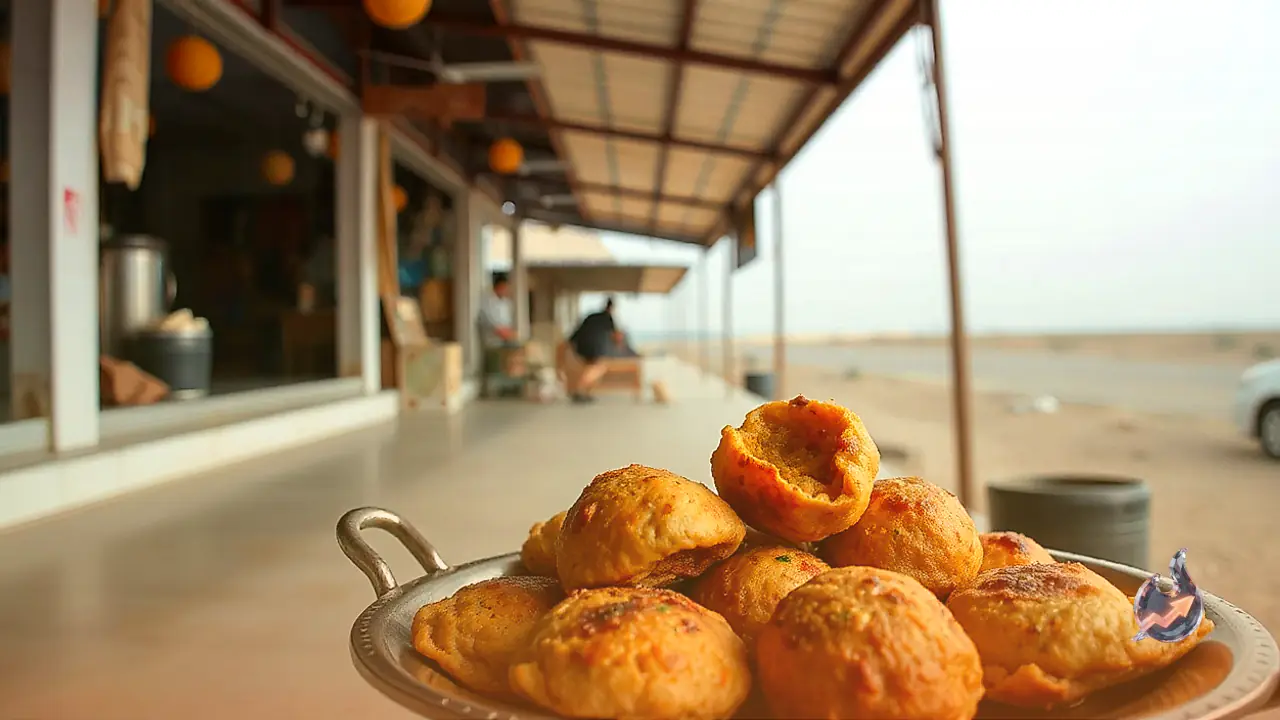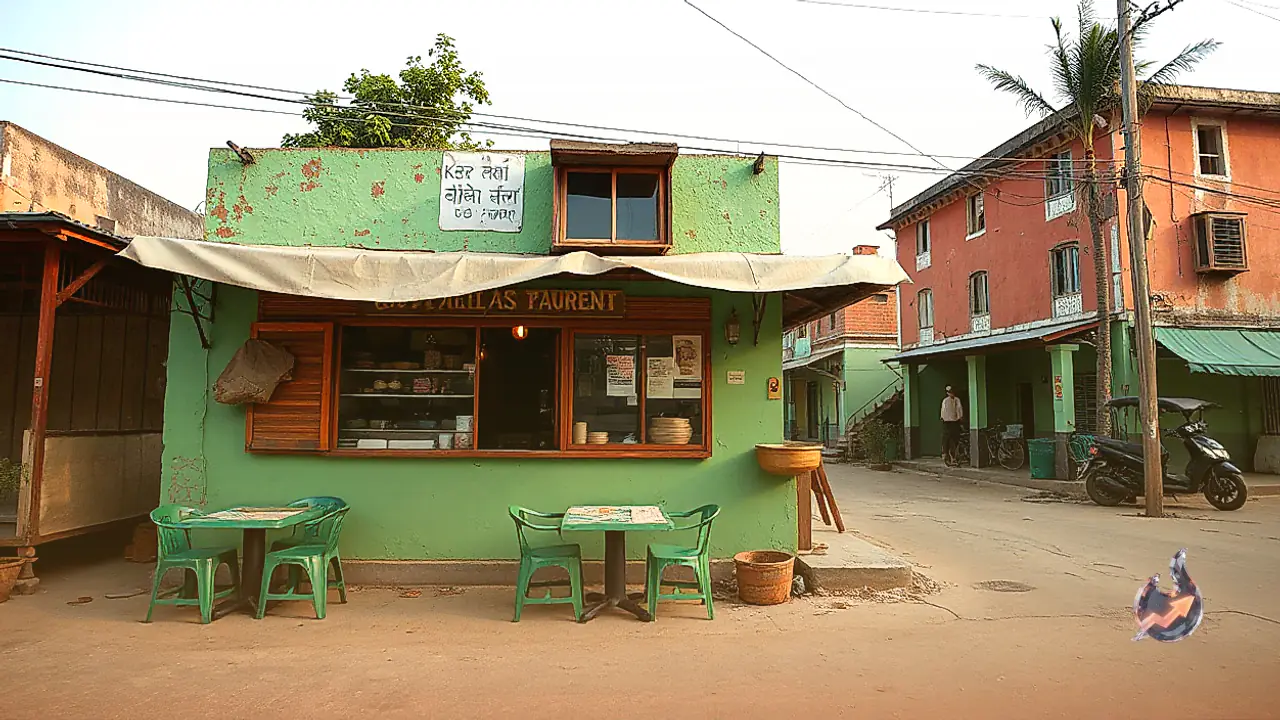
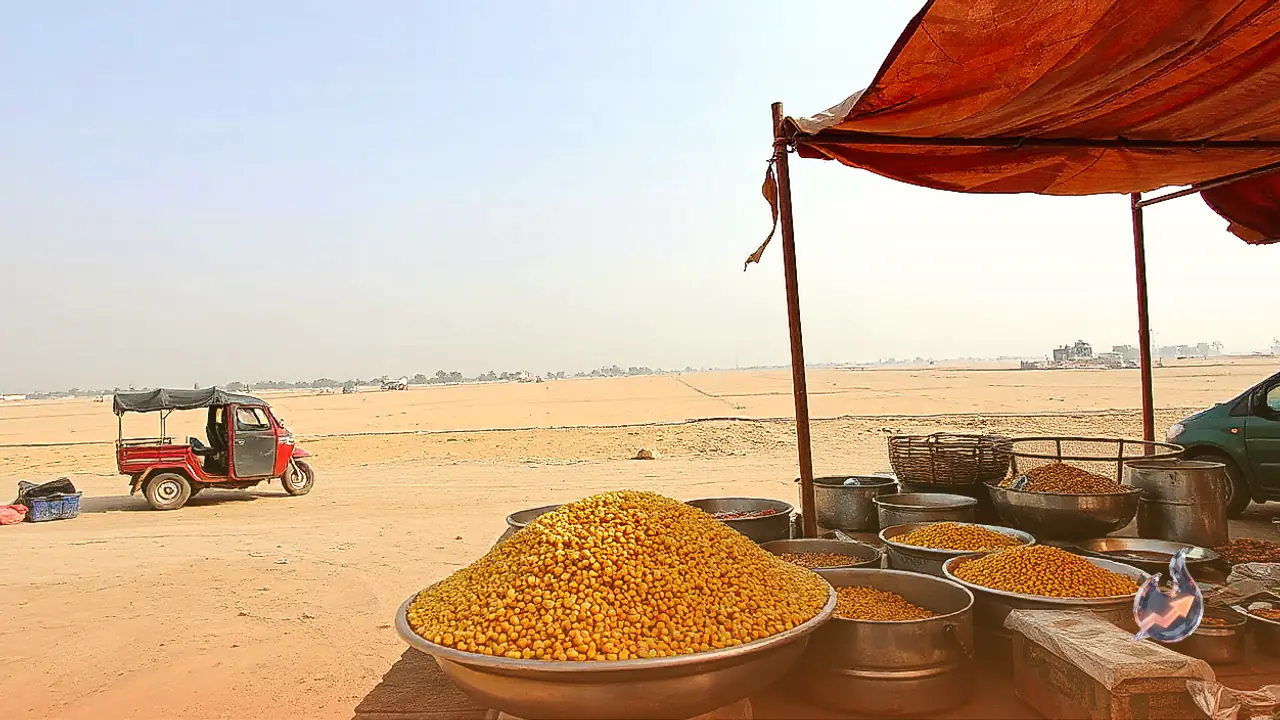


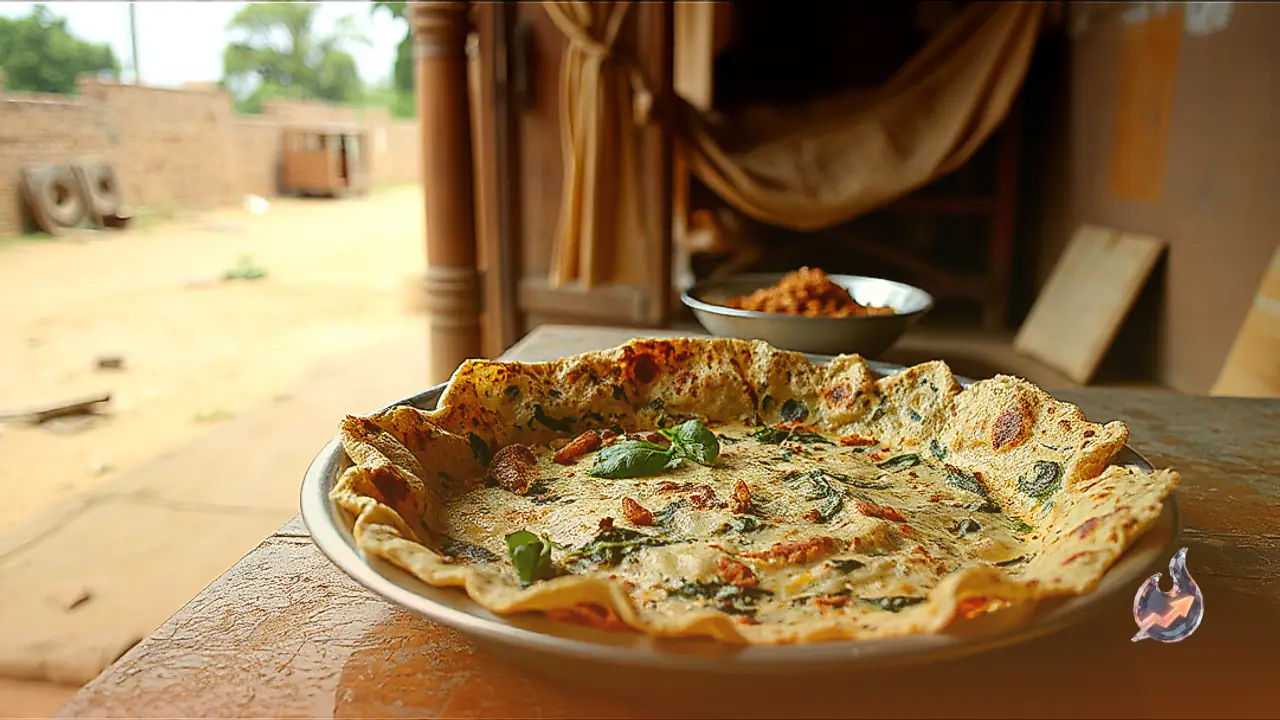














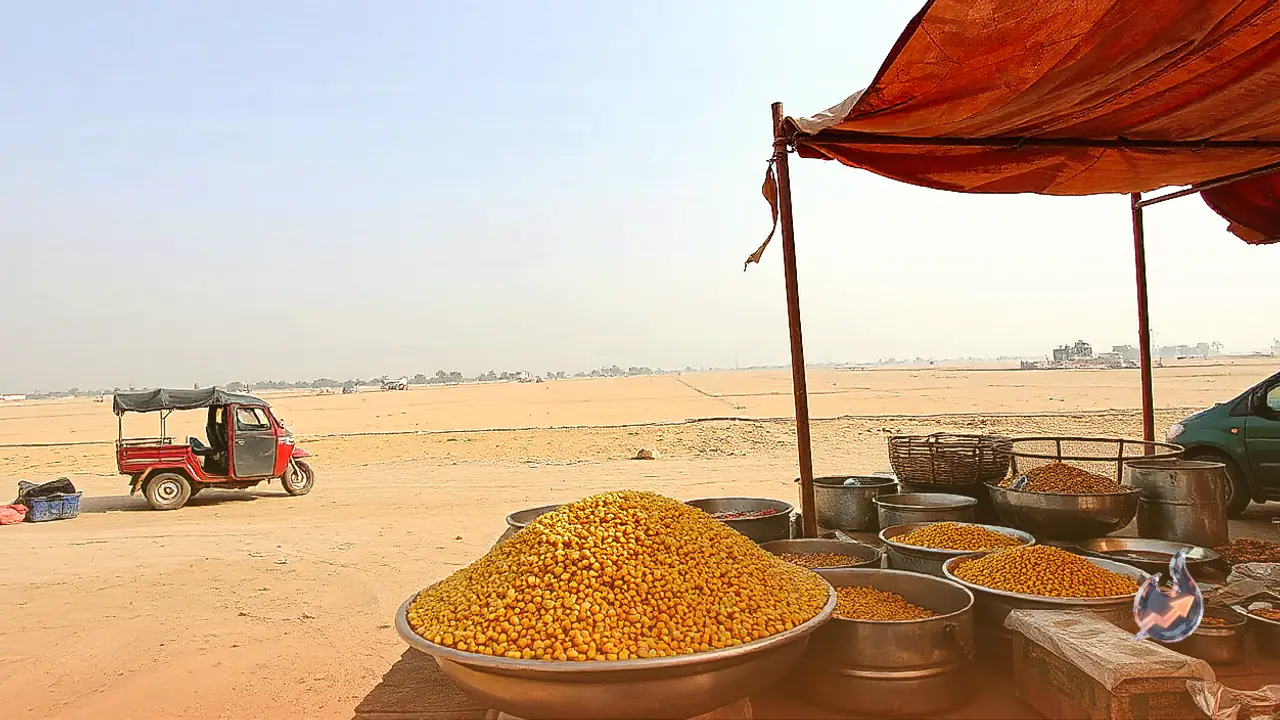

Amidst the widespread popularity of fast food and modern snacks, a specific corner in the irrigation department food market of Ghazipur preserves a rich culinary heritage. Known locally as Baffori or Bhabhouri, this traditional delicacy has maintained its distinct identity for the past three to four decades. While younger generations may have drifted away from this classic taste, older residents and veteran food enthusiasts still hold a deep appreciation for its comforting aroma, drawing people from far and wide to savor it.
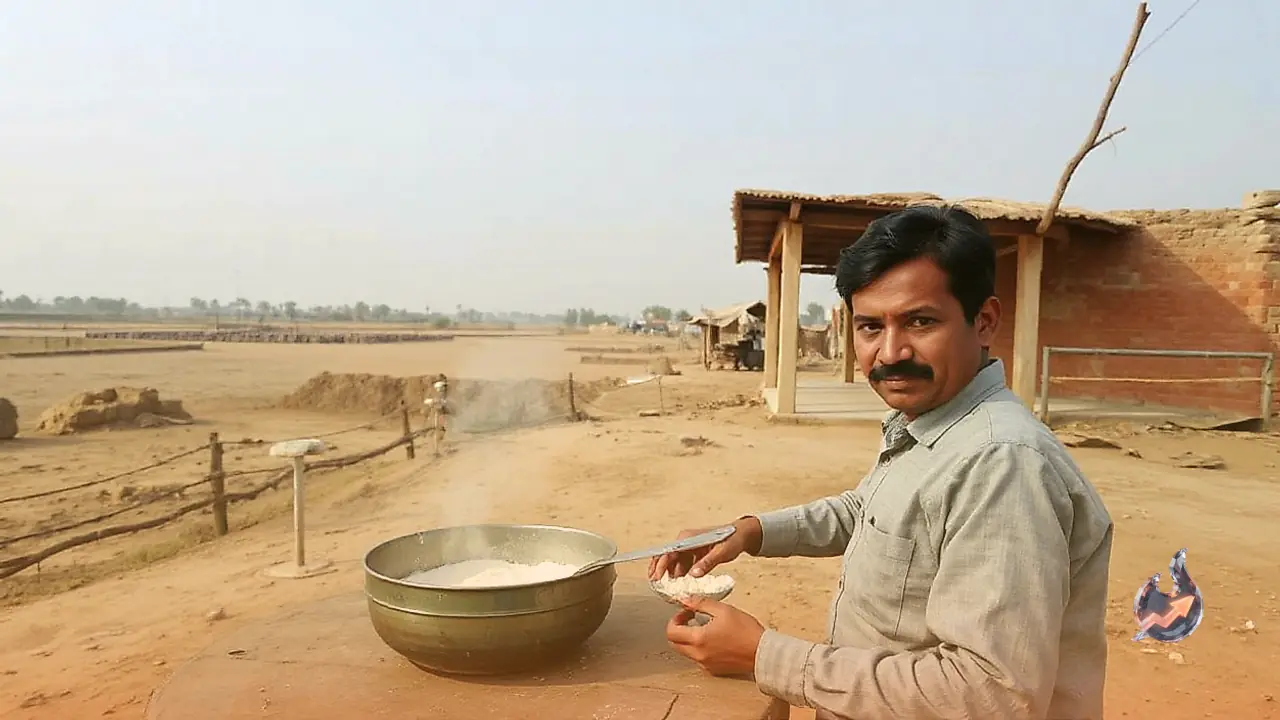
This generational recipe is carefully preserved by street vendor Sandeep Gupta, who has been managing the family trade with immense dedication for thirty to forty years. Explaining the origin of the dish, Sandeep notes that it dates back to the era of his grandfathers and ancestors. The preparation begins by soaking Urad dal and Chana dal, which are then blended with a paste of ginger, garlic, and selected spices.
A notable aspect of this preparation is that the fritters or vadas are not deep-fried in oil; instead, they are crafted using a traditional method or incorporated into a rich, spicy gravy seasoned with onions, garlic, and ginger. The entire cooking process takes less than half an hour, and Sandeep sells two pieces for just twenty rupees. This affordable pricing ensures that traditional flavors remain accessible to everyday customers passing through the busy market lane.
Shifting dietary preferences over time have naturally impacted the daily demand for this traditional food item. Sandeep points out that there was a time when three to four hundred plates of Baffori would easily sell out in a single day, but that number has now dropped to around fifty to sixty pieces. According to him, older patrons are the ones who primarily enjoy it today, as the newer generation remains largely unfamiliar with the traditional name and preparation.
In an era where health-conscious individuals constantly search for fat-free and nutritious meal options, Baffori stands out due to its inherent nutritional value. Thirty-five to thirty-six-year-old Neetu Kumari, who visits regularly to eat the dish, shares that she has enjoyed it since her childhood. Neetu explains that because it is made from lentils, it is packed with protein and avoids heavy oils or harmful spices, making it light and beneficial for both digestion and overall health.