






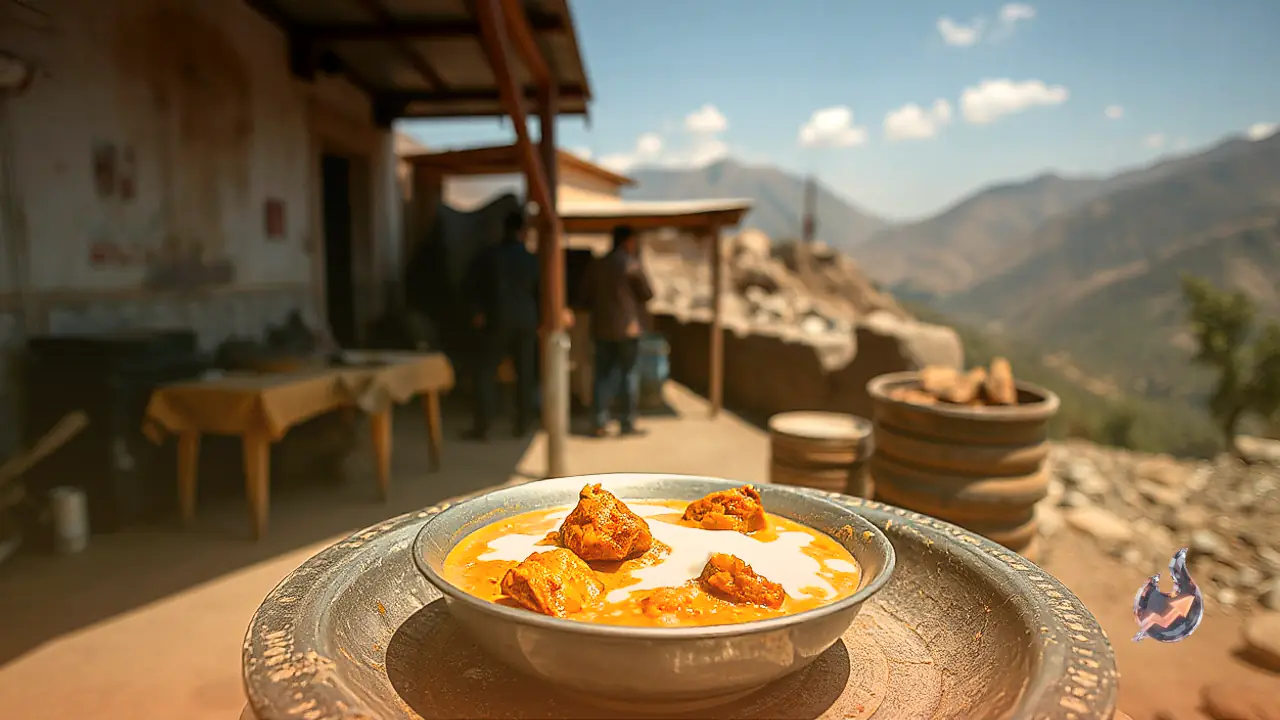















Colder weather naturally brings a shift in everyday dietary choices. During chilly evenings, comfort often lies in warm, nourishing dishes that satisfy the palate while keeping hunger at bay for hours. When routine combinations of steamed lentils, bread, and mixed vegetables become monotonous, Dal Pithi provides an exceptional culinary change. Deeply rooted in the culinary heritage of Bihar and eastern Uttar Pradesh, this authentic preparation relies on modest pantry staples and comes together with simple, straightforward cooking techniques.
Essential Ingredients and Measurements
Preparing this traditional dish requires basic ingredients commonly found in any kitchen. The base relies on one cup of toor dal (split pigeon peas) and one cup of whole wheat flour. For the savoury flavour base and tempering, keep ready one finely chopped onion, two tomatoes, ginger-garlic paste, and green chillies. The seasoning calls for cumin seeds, asafoetida, turmeric powder, red chilli powder, salt, and carom seeds. Pure desi ghee is used for both kneading and tempering, while freshly chopped coriander leaves can be added at the end for an aromatic garnish.
Crafting the Wheat Dumplings
The first stage involves preparing the small wheat dumplings, traditionally called pithi. Place the whole wheat flour in a wide mixing bowl, then add a pinch of salt, carom seeds, and half a teaspoon of desi ghee. Gradually pour in water while kneading to form a dough that remains noticeably firmer than regular chapati dough. Once smooth and rested, roll out portions of the dough and use the rim of an ordinary drinking glass to stamp out uniform round discs. Gently press and pinch the edges of each disc between your fingers to shape them into small cup-like indentations or traditional petal patterns, setting each piece aside as you work through the dough.
Simmering the Lentils
While shaping the wheat forms, prepare the lentils. Rinse the toor dal thoroughly in water, then transfer it into a pressure cooker. Add turmeric, salt, and measured water before placing it over heat. It is crucial not to overcook the dal at this stage; keep it slightly undercooked and firm. Leaving the lentils partially cooked ensures they do not turn completely mushy later, as they must simmer again once the dumplings are introduced.
Combining and Cooking the Dumplings in Dal
Once the pressure cooker depressurises, uncover the pot and gently slide the prepared wheat dumplings into the hot dal one by one. Stir very carefully with a light hand so that the pieces do not stick together or tear at the bottom of the vessel. Allow the mixture to simmer over medium heat for approximately 12 to 15 minutes. Once the wheat dumplings are cooked thoroughly through the centre, turn off the flame and keep the pan covered to retain the steam.
Fragrant Desi Ghee Tempering and Serving Suggestions
The defining flavour of Dal Pithi arrives with its aromatic tempering. Heat desi ghee in a separate pan or kadai until melted, then add cumin seeds and a pinch of asafoetida. Introduce the chopped onion, ginger-garlic paste, and tomatoes, sauteing until soft and fragrant. Sprinkle in red chilli powder and other seasonings, stirring continuously until the masala turns a rich golden-brown hue. Pour this sizzling spice mixture directly over the simmered dal and dumplings, blending everything smoothly.
Serve the piping hot Dal Pithi immediately alongside fresh green chillies, sliced white radish, and spicy mango pickle. For cold winter dinners, this rustic and wholesome preparation delivers warmth, balanced nutrition, and an authentic taste of traditional regional home cooking.