






















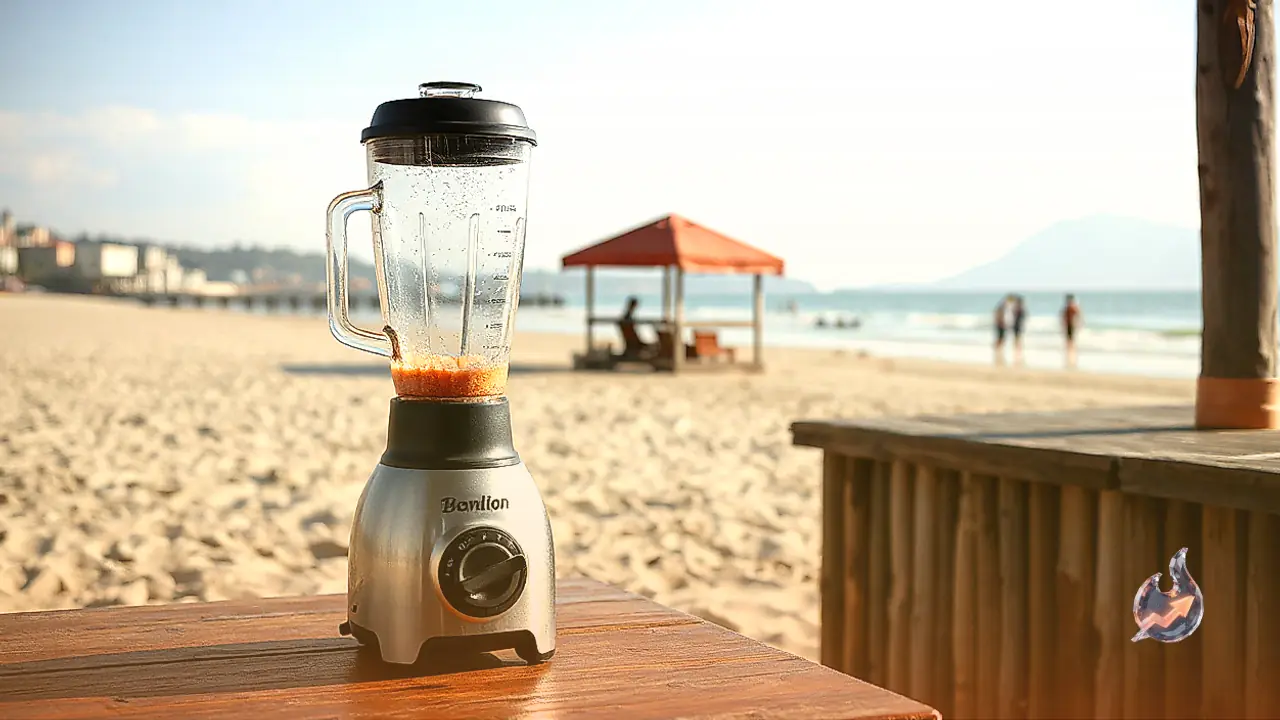

In the entry-level kitchen appliance segment, the Hamilton Beach Smoothie Blender positions itself as an affordable full-sized countertop option. The unit features a 42-ounce jar constructed from BPA-free plastic paired with a permanently fixed four-blade assembly. Its interface provides four distinct speed settings tailored for designated culinary tasks, including smoothies, milkshakes, salsa, and ice crushing. A dedicated cleaning preset and a manual pulse function are also included, though the appliance completely omits automated timed cycles or digital timers. Hot blending is fully supported, provided the center measuring cap is removed from the friction-fit lid to allow internal steam to vent safely during operation.
General Multi-Purpose Kitchen Performance
During general food preparation tasks, the blender delivers mixed results depending on the density of the ingredients. When processing leafy greens like kale, it can create a reasonably smooth drink, though users will need to stop the motor periodically and scrape down the container walls to ensure an even mix. Its ability to tolerate high-temperature liquid ingredients makes it genuinely useful for pureeing cooked soups and culinary sauces. On the other hand, the machine performs poorly when attempting to break down hard ice, frequently leaving substantial chunks floating in the pitcher. Processing thick pastes or homemade nut butters turns into a frustrating chore that demands constant manual intervention. Furthermore, the lightweight plastic exterior, loose-feeling buttons, and hard-to-reach crevices around the blades present practical drawbacks for frequent daily use.
Single-Serving Versus Multi-Serving Smoothie Preparation
For individuals preparing a single-serving beverage, the appliance accomplishes the core task adequately. Fibrous vegetables like kale are broken down into an acceptable liquid, even if minor specks and small fibrous fragments remain in the final pour. Because the vortex does not always draw in top layers, stopping the cycle to push ingredients toward the base is often necessary. Running the motor for an extended duration tends to introduce excess aeration and froth into the mixture rather than refining its microscopic texture. The machine also lacks the torque and blade geometry to liquefy ice cubes, making it poorly suited for those who favor frosty shakes. Because the package does not include a personal to-go cup, every finished drink must be manually poured into a separate travel mug.
Preparing beverages for multiple people simultaneously exposes the limitations of the 42-ounce container. While it holds enough liquid for roughly two modest glasses, it lacks the overall volume required for full family batches. Large pieces of leafy vegetables frequently get trapped near the rim of the jar, requiring the cook to stir the mixture manually to integrate every ingredient. Extending the run time merely whips extra air into the batch without yielding a silkier consistency, and the ongoing difficulty with crushing ice cubes remains a significant drawback for multi-serve frozen treats.
Struggles With Ice Crushing and Heavy Spreads
When evaluated strictly as an ice crusher, the blender falls short of expectations. It cannot achieve the fine, snow-like consistency required for restaurant-quality slushies, frozen cocktails, or shaved desserts, leaving large icy pieces submerged in melted water. Downsizing the batch volume does not rectify the issue, turning the preparation of even a modest serving of icy drinks into a tedious chore. The relatively compact pitcher further restricts the total output possible in a single session.
Dense culinary tasks prove equally challenging for the fixed four-blade configuration. Thick mixtures such as nut butters or heavy bean dips quickly stall the movement of food toward the blades, creating air pockets where the cutters spin freely without catching material. Users must constantly halt the appliance to scrape and stir the paste back down to the bottom, rendering thick spread preparation highly impractical.
Performance With Steaming Soups and Purees
Where the blender demonstrates genuine competence is in processing hot liquid meals, particularly when cooking for one or two diners. Cooked root vegetables and hot broth can be transferred directly into the jar straight from the stove without requiring an intermediate cooling stage. Fibrous ingredients such as cooked broccoli are transformed into a fairly smooth, uniform puree, leaving behind only minor traces of vegetable fiber. However, the 42-ounce capacity means that anyone cooking a large stockpot of soup will need to process the meal in several successive batches. Users must also take care to remove the secondary lid plug to release trapped steam and prevent pressure buildup during high-heat blending.
Durability Concerns and Heavy-Duty Limitations
This appliance is clearly not built to withstand the demands of heavy-duty or professional kitchen environments. The lightweight plastic chassis and noticeably loose control buttons do not inspire long-term confidence under rigorous operating conditions. While capable of producing acceptable hot purees and standard beverages, it lacks the raw power and blade engineering necessary for demanding culinary prep. The persistent difficulty with crushing ice, the excessive labor required for dense pastes, and the tight crevices beneath the non-removable blade assembly make hand-cleaning tedious and limit the machine to casual, light household duties.