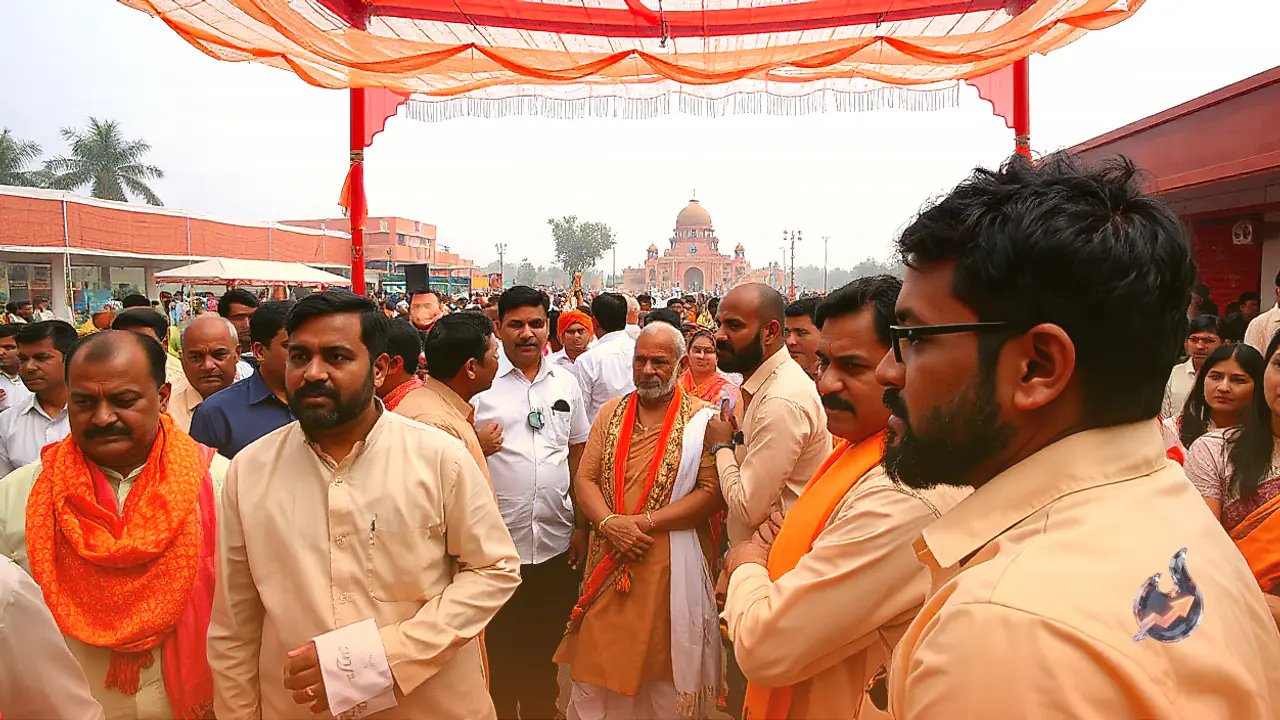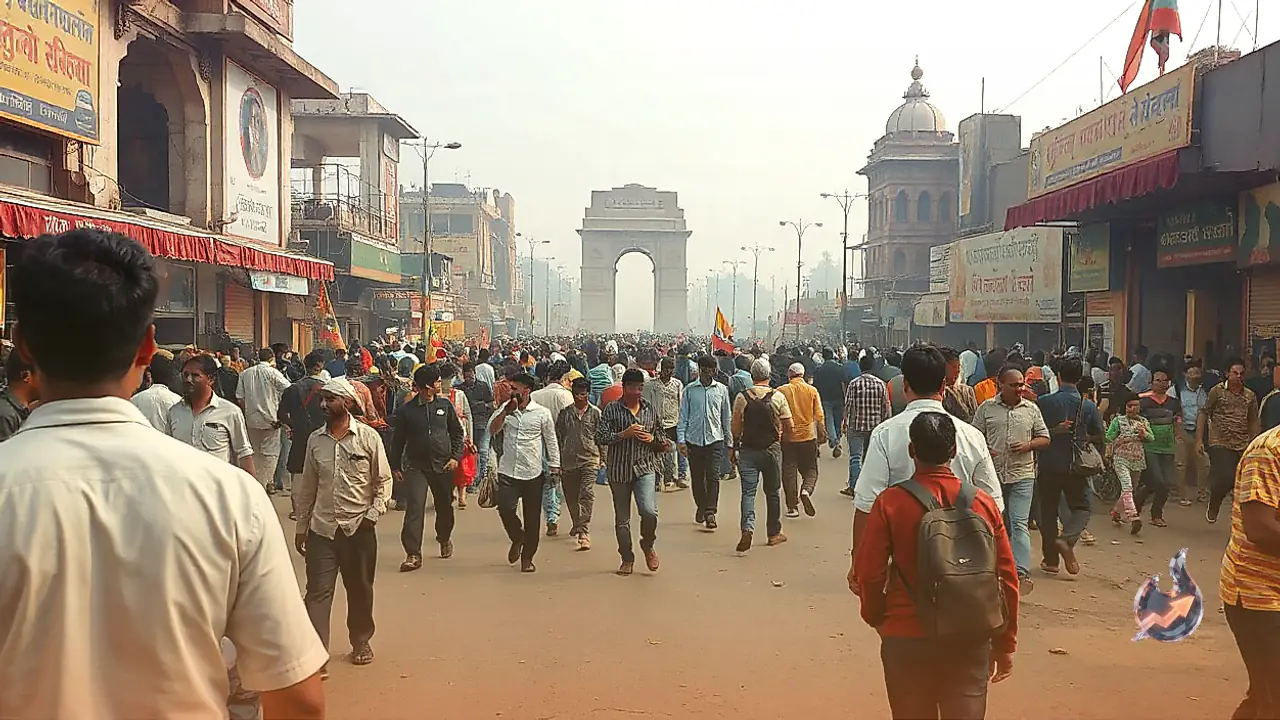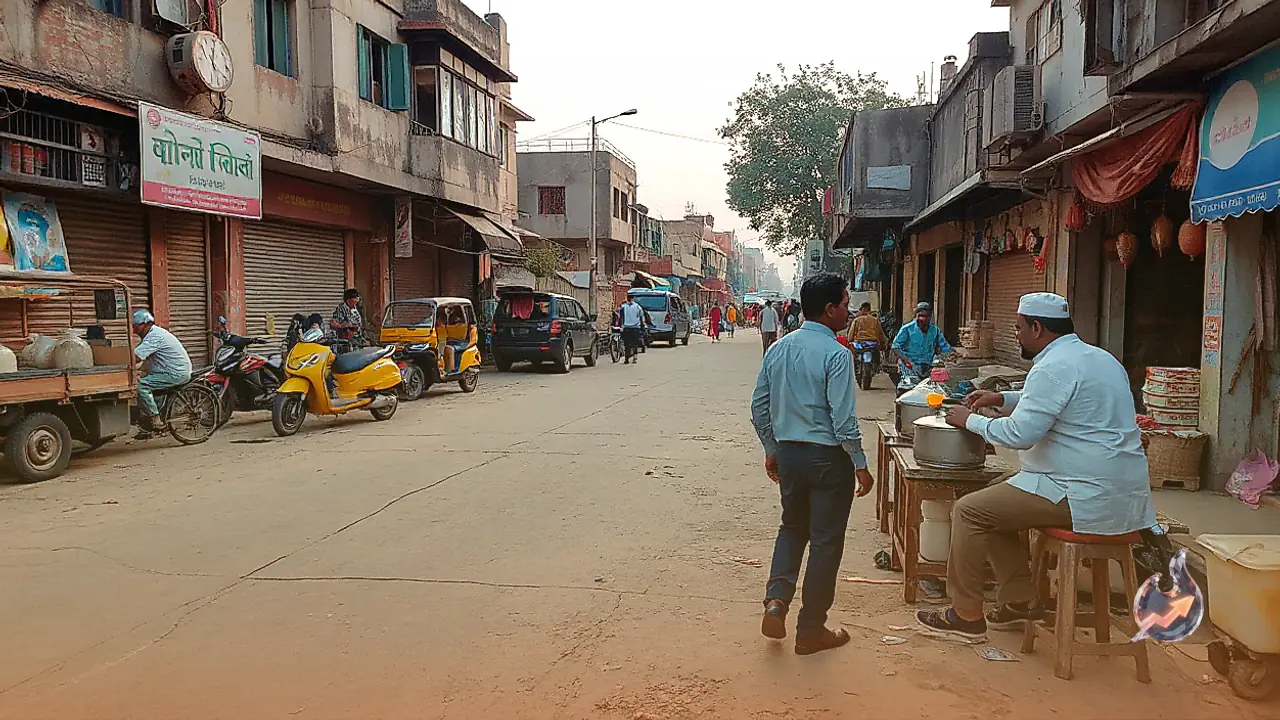
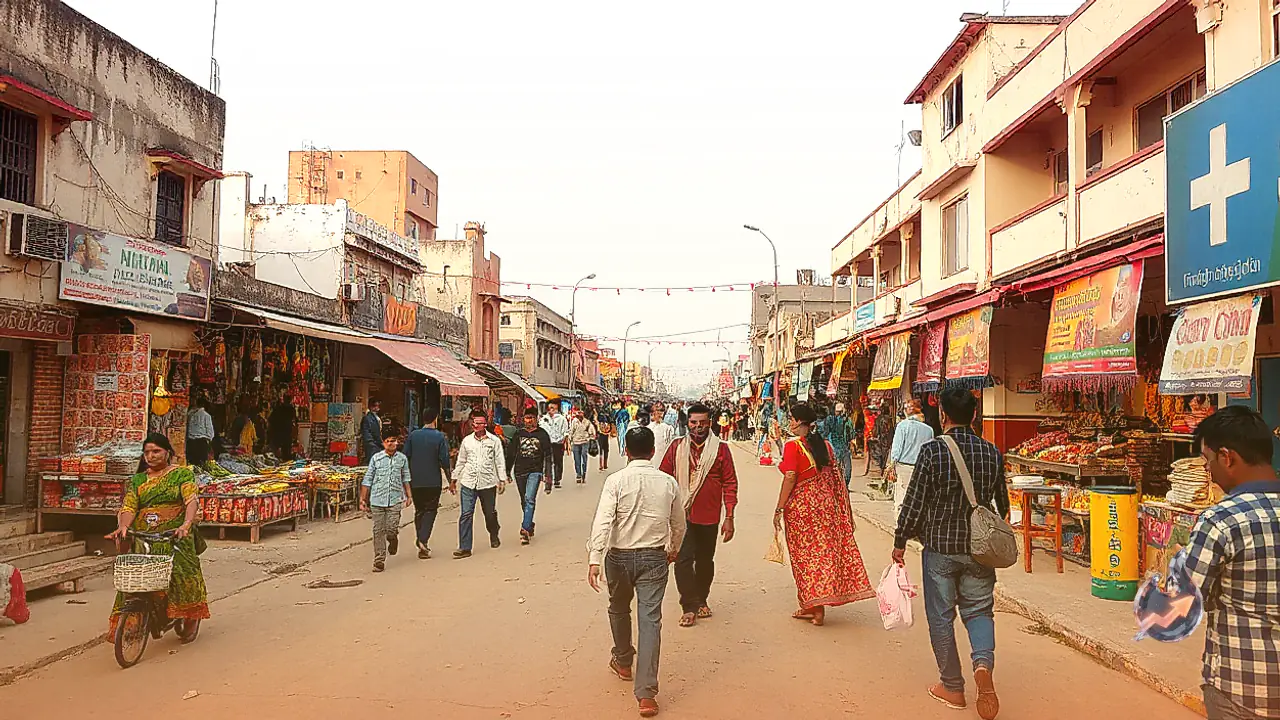

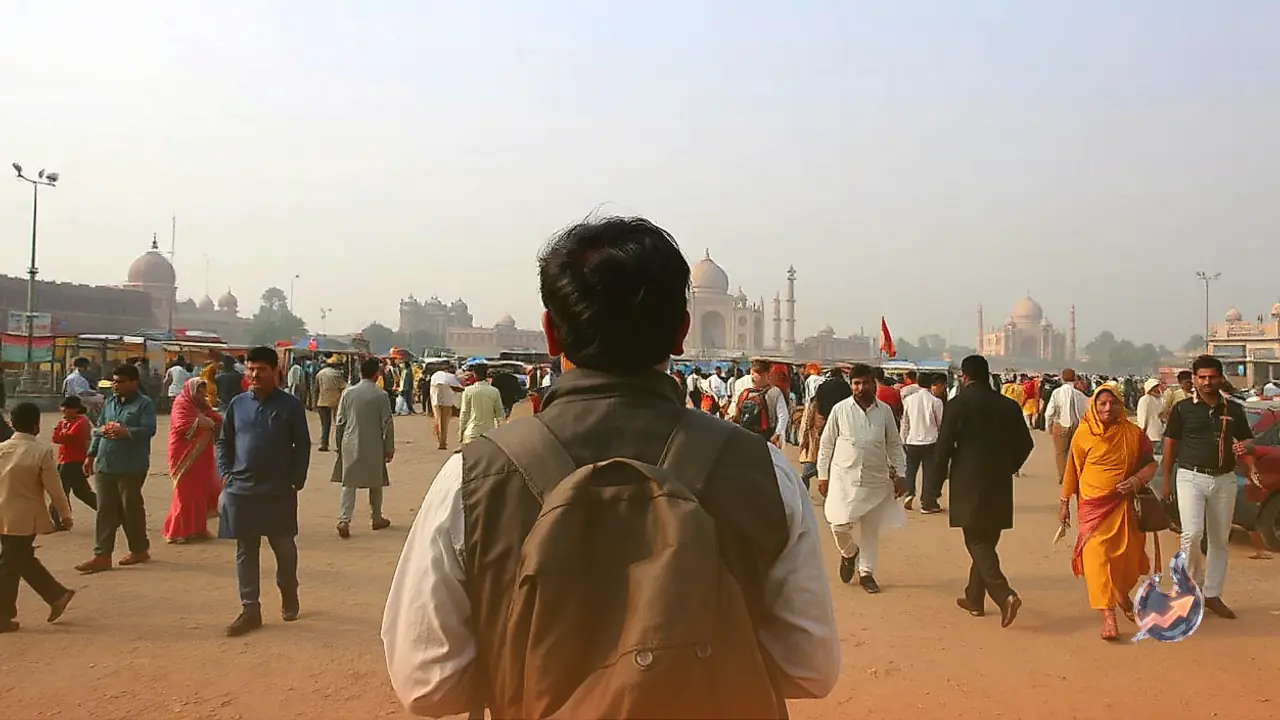
















Air quality across Delhi and the National Capital Region has deteriorated sharply into hazardous territory. Following a surge in the Air Quality Index (AQI) past the 324 threshold, the Commission for Air Quality Management (CAQM) has enacted Stage-II curbs under the Graded Response Action Plan (GRAP) across the entire region without delay. Civic authorities and monitoring agencies have deployed coordinated interventions to curb the thick blanket of smog and protect public health.
Mechanical Dust Suppression and Road Cleaning Drives
Mitigating fugitive dust generated by vehicular movement and urban infrastructure remains the immediate operational focus for municipal bodies. Key interventions include
- Conducting daily mechanical and vacuum sweeping operations on key road corridors to prevent loose surface particles from becoming airborne.
- Spraying water mixed with dust suppressants regularly along major thoroughfares and arterial roads.
- Deploying targeted inspection and enforcement drives across identified pollution hotspots in the region.
- Enforcing strict compliance audits on construction sites to confirm the implementation of prescribed dust control norms.
Hike in Parking Tariffs and Public Transport Push
To discourage reliance on private vehicular transit and lower vehicular tailpipe emissions, administrative measures have targeted daily commuters. Parking fees will be hiked to deter unnecessary personal car and two-wheeler travel. Commuters are advised to prioritize public transportation over personal vehicles, navigate via less congested alternative routes, and ensure timely maintenance, including the periodic replacement of vehicular air filters.
Office Adjustments and Staggered Working Hours
To distribute traffic volume across peak morning and evening rush hours, authorities have prepared structural changes to institutional schedules. Staggered working hours will be introduced across government offices and municipal corporations in Delhi, Gurugram, Faridabad, Ghaziabad, and Gautam Buddha Nagar. In parallel, the Central Government is set to deliberate on staggering the operating hours of central offices situated throughout the NCR region. Employees in roles where operational feasibility exists are also encouraged to utilize work-from-home arrangements.
Curbs on Biomass Burning and Directives for RWAs
With dropping night temperatures prompting fires for warmth, the administration has placed specific responsibilities on Resident Welfare Associations (RWAs). RWAs are directed to distribute electric heaters to residential security guards and sanitation staff during night shifts, preventing the open burning of garbage, wood, and biomass. In addition, the public has been directed to halt dust-generating construction work between October and January, while avoiding open-air cooking or heating practices that emit smoke into the ambient air.