




















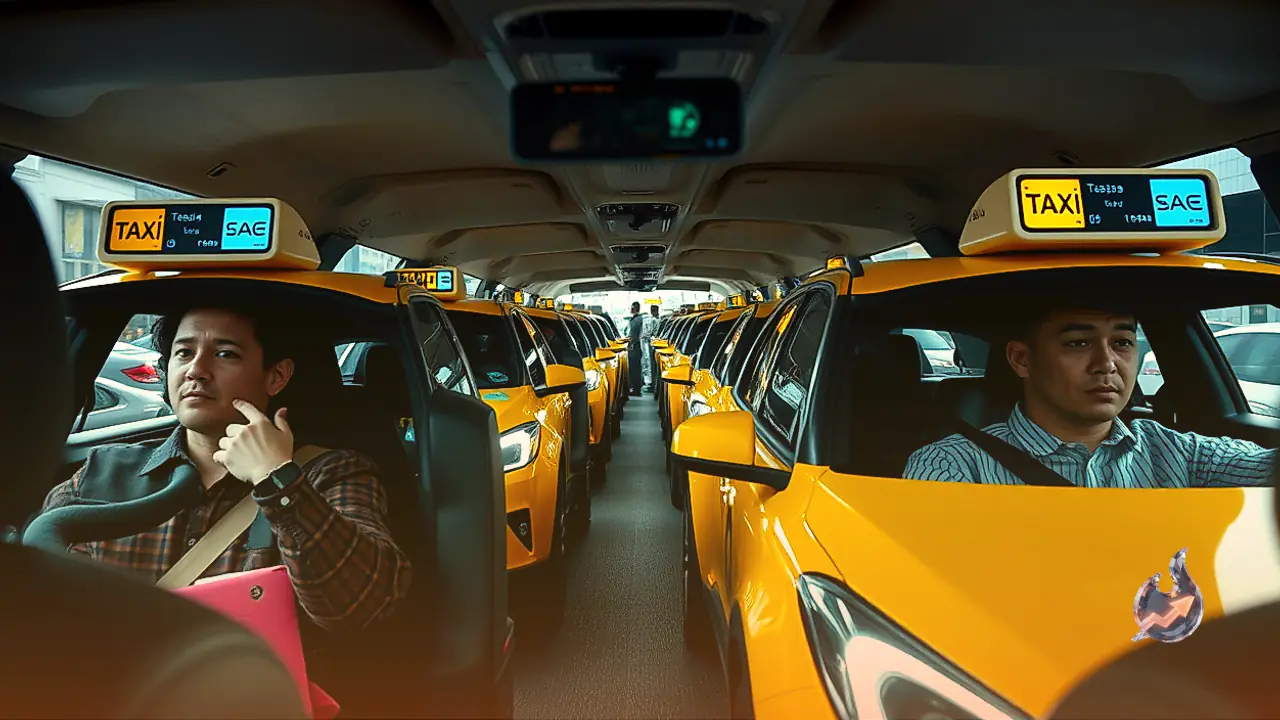

A recent scare inside an autonomous vehicle ended on a relatively harmless note when an apparent firearm turned out to be shooting water-filled Orbeez instead of real ammunition. Yet, the ordeal instantly cast a spotlight on Waymo's extensive interior surveillance network. The company acknowledged that its vehicles are fitted with automated tools capable of identifying when a firearm might be present inside the passenger compartment. It is common knowledge that self-driving cars feature an array of exterior cameras to help them navigate surrounding roads, supported by external sensors such as radar and lidar. Far less scrutiny has been directed at the hardware pointed inward, which fleet operators insist is fundamental for passenger safety and enforcing rider conduct.
Cabin Monitoring and Enforcing Passenger Rules
Earlier in the year, several adult passengers riding in California experienced unexpected interruptions when Waymo staff suddenly intervened over the car intercom during their trips. Riders in their twenties and older were questioned to verify whether they met the minimum age requirement to travel unaccompanied, with one 35-year-old suspecting that his bulky backpack had inadvertently triggered the automated monitoring system. The privacy agreements governing these autonomous ride services are extraordinarily broad. While the legal documents cite harmless purposes like verifying passenger cabin cleanliness between bookings or tracking down misplaced items, they also grant operators sweeping permission to repurpose interior footage for refining and developing products and services.
Regulatory Void and Consumer Vulnerability
Because these legal terms are all-encompassing, operators have broad discretion over how collected footage is processed. Legal protections across the United States remain strikingly sparse when it comes to interior automotive surveillance, primarily because users routinely consent to dense terms of service presented in tiny text before hailing a ride. Consequently, customers must take it on faith that autonomous mobility providers will safeguard their personal spaces and records. Matthew Guariglia, a senior policy analyst focusing on surveillance and policing at the Electronic Frontier Foundation, warned that lawmakers have left consumers unprotected regarding digital privacy and subsequent corporate data usage. He suggested that being the sole occupant of a driverless cab does not provide true seclusion, advising riders to behave as if an anxious observer is sitting right in the front row.
Corporate Procedures Across Major Fleet Operators
Fleet operators including Waymo, Zoox, and Tesla maintain that human personnel only view cabin camera feeds under specific operational necessities. At the same time, all three confirm that user data and video recordings can be turned over to regulatory authorities and law enforcement bodies. Documentation on Waymo's support portal clarifies that government entities requesting passenger data must adhere to recognized legal channels. Even so, the interior sensors operate continuously. Waymo representative Julia Ilina stated that the fleet utilizes automated tech to assist human personnel in catching potential rule violations. Furthermore, a patent registered to Waymo in 2025 lays out an internal camera framework that automatically executes standardized checklists before, during, and after passenger journeys, though Ilina did not confirm whether that exact patent system is active in current operations.
Data Storage Policies and Autonomous Fleet Practices
Amazon subsidiary Zoox states on its official portal that interior cameras record the whole trip from start to finish. The platform utilizes that personal material for routine operations and for training its self-driving systems. While Zoox notes it may capture audio exchanges between customers and remote customer support personnel, it maintains that these conversations are not stored permanently. Zoox spokesperson Whitney Jencks declined to supply additional particulars regarding the organization's data protection parameters. Tesla's Robotaxi documentation notes that a green indicator light illuminates on the dashboard touchscreen whenever internal video capture is active. Riders can manually opt into sharing cabin video and audio through their application preferences under data and privacy menus, though users enrolled in the company's early access initiative are opted in by default. Tesla did not clarify inquiries regarding the operational status of its early access rollout after launching its ride-hailing app to the public in selected Texas and Florida municipalities in early September.
Safety Rationales and Automotive Privacy Violations
Interior cameras undoubtedly serve a practical purpose inside unoccupied vehicles. Justin Brookman, the head of technology policy at Consumer Reports, noted that oversight is necessary to deter inappropriate behavior in cars without drivers. However, existing legal frameworks have failed to delineate the boundaries of what corporations may record, retain, or monetize. Brookman pointed out that since driverless fleets represent a modern novelty, formal expectations governing acceptable conduct remain absent. Traditional and electric automakers also carry an alarming record regarding personal privacy. In 2023, reports revealed that Tesla workers had circulated intimate images and dashcam footage captured from private customer vehicles across internal messaging groups over several years. Those leaks featured a video of an unclothed man approaching a vehicle and an incident where a car struck a young cyclist. Although Tesla asserts that its driving footage remains anonymized, former staff disclosed that system coordinates easily revealed exact filming locations, allowing workers to identify specific residential garages. Additionally, General Motors reached a settlement earlier this year to pay California motorists roughly $13 million in fines after quietly transferring telemetry and trip data to data brokers and insurance providers without consumer permission. Guariglia cautioned that automakers possess an insatiable appetite for consumer data, which will only expand with autonomous fleets as companies discover fresh avenues to commercialize travel details.