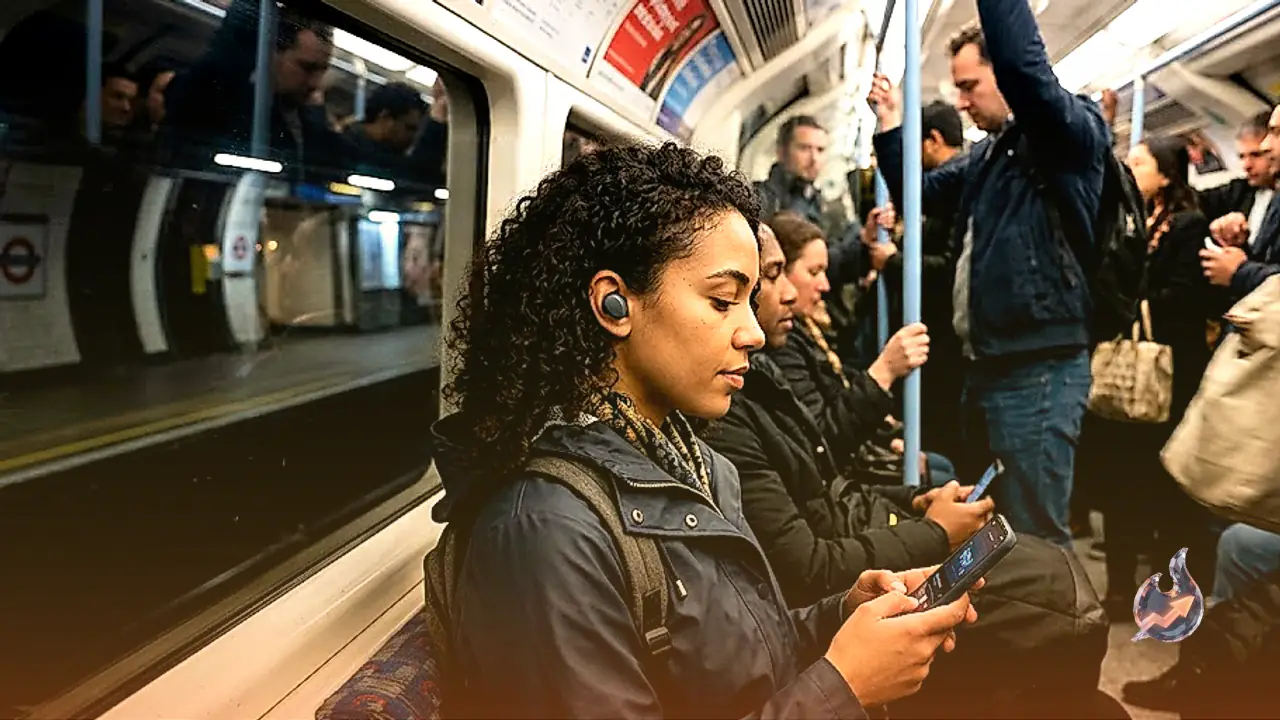
























Autonomous vehicles picking up fare-paying passengers without a human driver behind the wheel are already operating in a handful of countries, including the United States. Yet, as self-driving technology rolls out, engineers and behavioral scientists are confronting an enduring reality of human nature: people are fundamentally difficult to predict. Across the history of transportation, quasi-private and public spaces such as trains, aircraft, and automobiles have routinely witnessed antisocial conduct. From prom night limousines and the fabled Mile High Club to depictions of romance on public transit in films like Risky Business and viral clips on adult websites, empty passenger compartments have often invited boundary-pushing behavior. Now, with no authority figure in the front seat to issue a reprimand, researchers are turning their attention to how autonomous mobility services will handle rider misconduct.
The Dilemma of the Unchaperoned Cabin
When there is no taxi driver to physically enforce basic decorum, the risk of passengers engaging in prohibited conduct increases dramatically. Pavel Bazilinskyy, alongside academic colleagues specializing in systems engineering, computer science, psychology, and tourism studies, has set out to examine whether riders can be dissuaded before they even begin. As part of a four-hour morning workshop beginning at 8:30 am at an industry conference in Gothenburg, Sweden, the team asked participants to directly confront the issue: how do you stop people from having sex in self-driving cars? By treating passenger intimacy as a test case, the researchers argue that the transport sector can stress-test how autonomous vehicles will eventually function as shared, communal spaces that reflect and uphold broader social norms.
Protecting Public Acceptance of Autonomous Transit
The academic drive to curb consensual adult behavior inside robotaxis is not born out of prudishness, according to Alexandros Rouchitsas, an engineering psychologist co-hosting the event. While acknowledging that their stance might align more with cautious parents and senior citizens rather than the party crowd, Rouchitsas emphasizes that safeguarding the reputation of driverless tech is essential. The overarching objective is to build public trust so that automated mobility is embraced as an equitable, serious, and societally minded service. Autonomous vehicles hold tremendous promise for people with disabilities, children, and elderly individuals who struggle with conventional driving, and the underlying systems are expected to eventually power broader public transit networks.
A major concern is that without proactive intervention, robotaxis could be commandeered by partygoers, recreational drug users, and unrestrained revelers, drawing parallels to the chaotic nightlife seen in parts of his native Greece. Preventing the technology from gaining notoriety as a rolling venue for illicit encounters is seen as vital to ensuring the general public feels safe sharing these spaces.
Creative Interventions and Broader Safety Applications
The Gothenburg workshop gathered minds from academia and the automotive sector. The host city is the headquarters of Volvo Cars and technology supplier SmartEye, while the broader conference counts BMW and Google among its corporate sponsors. Participants were prompted to devise physical layouts and technological deterrents aimed at discouraging consensual intimate interactions inside driverless cabs. Rouchitsas suggested several concepts for creative consideration, such as constructing vehicle interiors with transparent materials or installing sensor suites that activate conspicuous blinking lights when improper conduct is detected. The organizers plan to synthesize these discussions into a formal academic paper.
While passenger intimacy represents the most sensational aspect of the challenge, Bazilinskyy describes it as an under-studied elephant in the room regarding human-machine interaction. He notes that tackling this specific dilemma offers practical models for addressing wider security threats. If vehicle architecture and sensor systems can effectively dissuade passengers from engaging in intimacy, the same preventative mechanisms could help protect shared autonomous fleets against robbery, harassment, bullying, and violent crime in the years ahead.