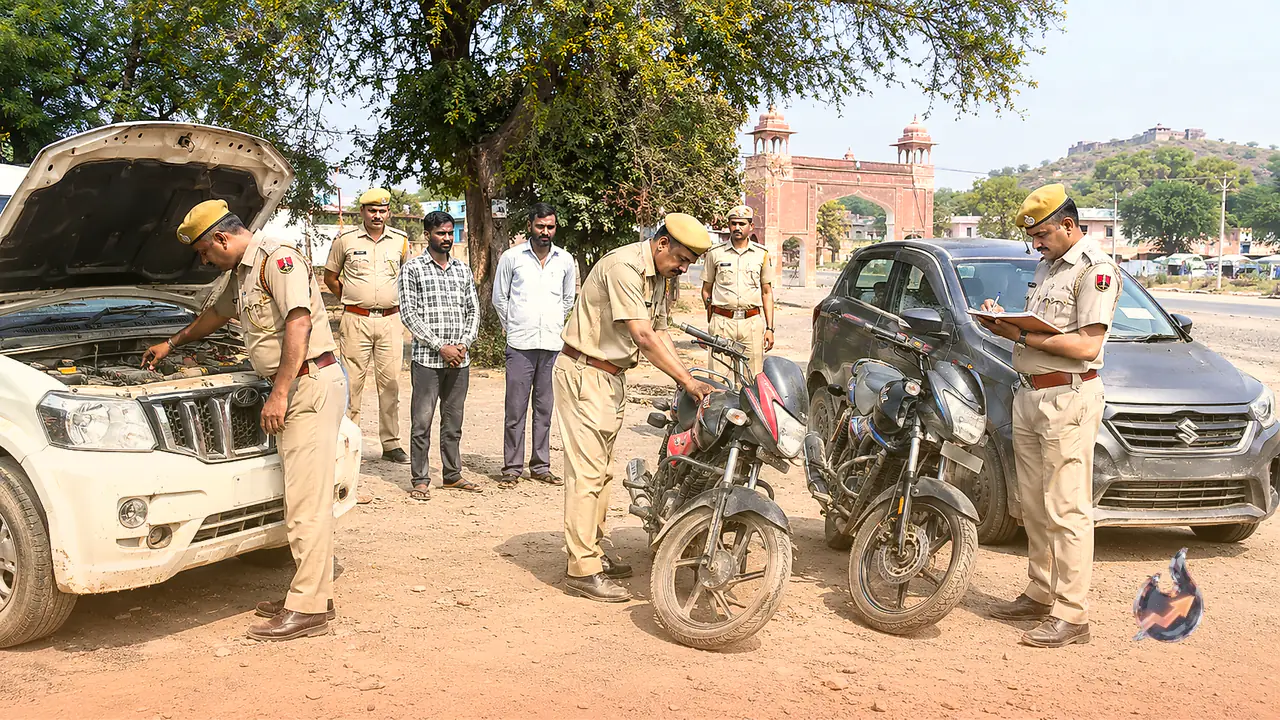




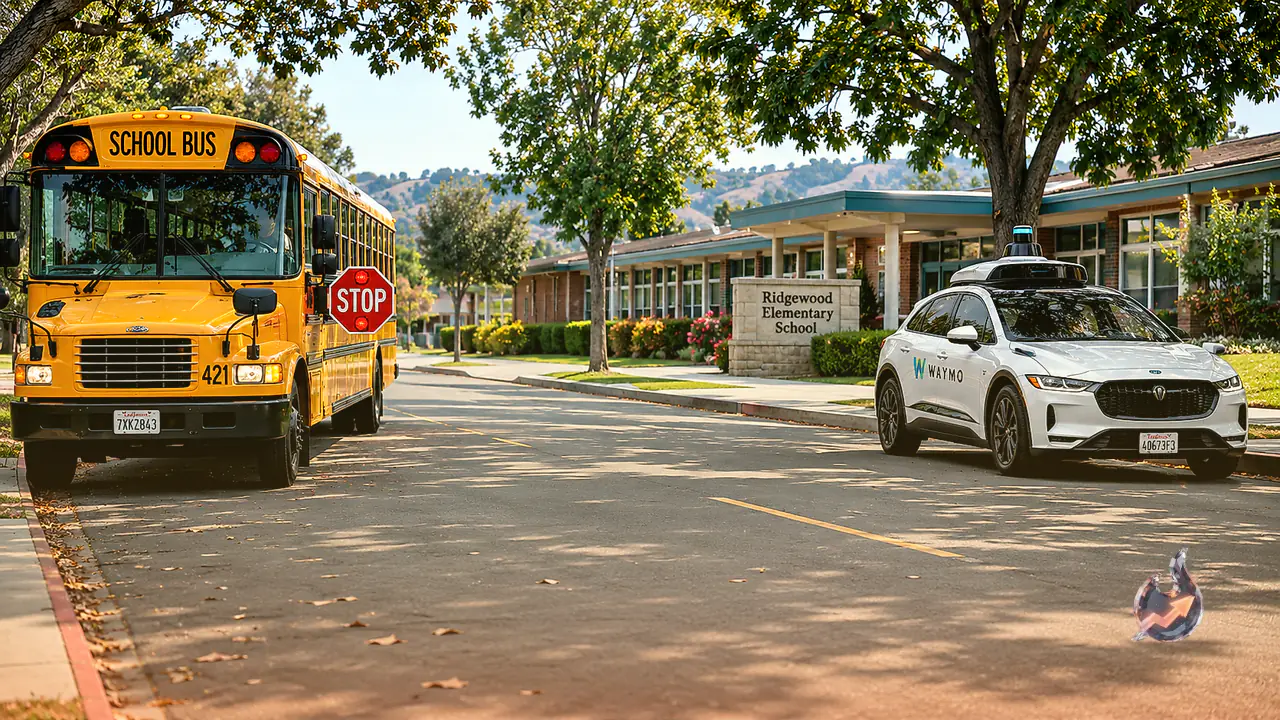
















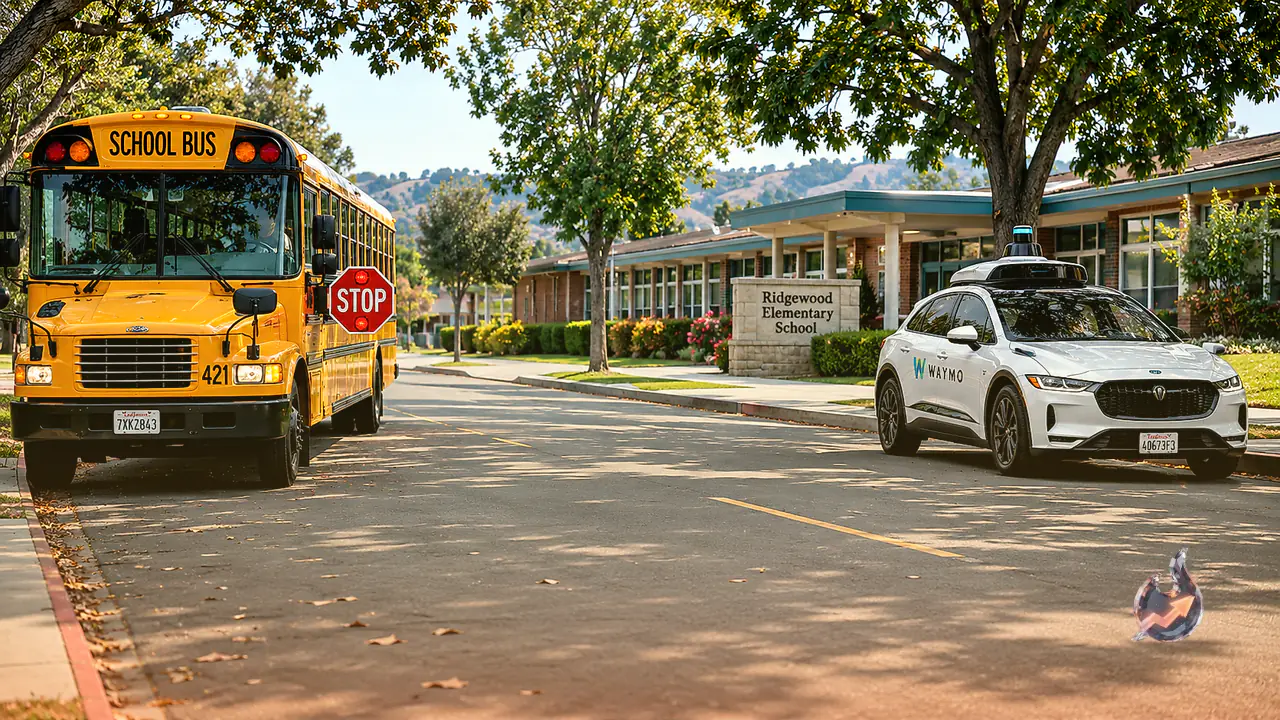

A formal investigation launched by the National Highway Traffic Safety Administration (NHTSA) will determine whether the company’s software fix succeeded in preventing its robotaxis from improperly passing stopped school buses with active red lights and extended stop arms. These visual indicators show that buses are actively picking up and dropping off students. Passing such stopped school buses is strictly illegal across all 50 states.
Continued Incidents After Software Fix
According to official filing details, Waymo implemented a fix for the software glitch in mid-November, which was followed by an official voluntary recall a month later. However, government officials state that the majority of school bus related incidents actually occurred after those dates.
Independent Agency Involvement
Earlier this year, a report issued by the National Transportation Safety Board revealed that another school bus passing incident took place in mid-January, several weeks after the deployment of the software fix. The NTSB is actively pursuing its own separate investigation into the ongoing school bus passing issue.
In an official written statement, Waymo spokesperson Dana Gallagher defended the company by stating it has made significant improvements to vehicle behavior around school buses. She added that the company has not received any citations for passing school buses since last March, which was months after the December software recall. She emphasized that Waymo looks forward to continuing engagement on recall processes for learning autonomous vehicle software.
Data Collection Efforts in Austin
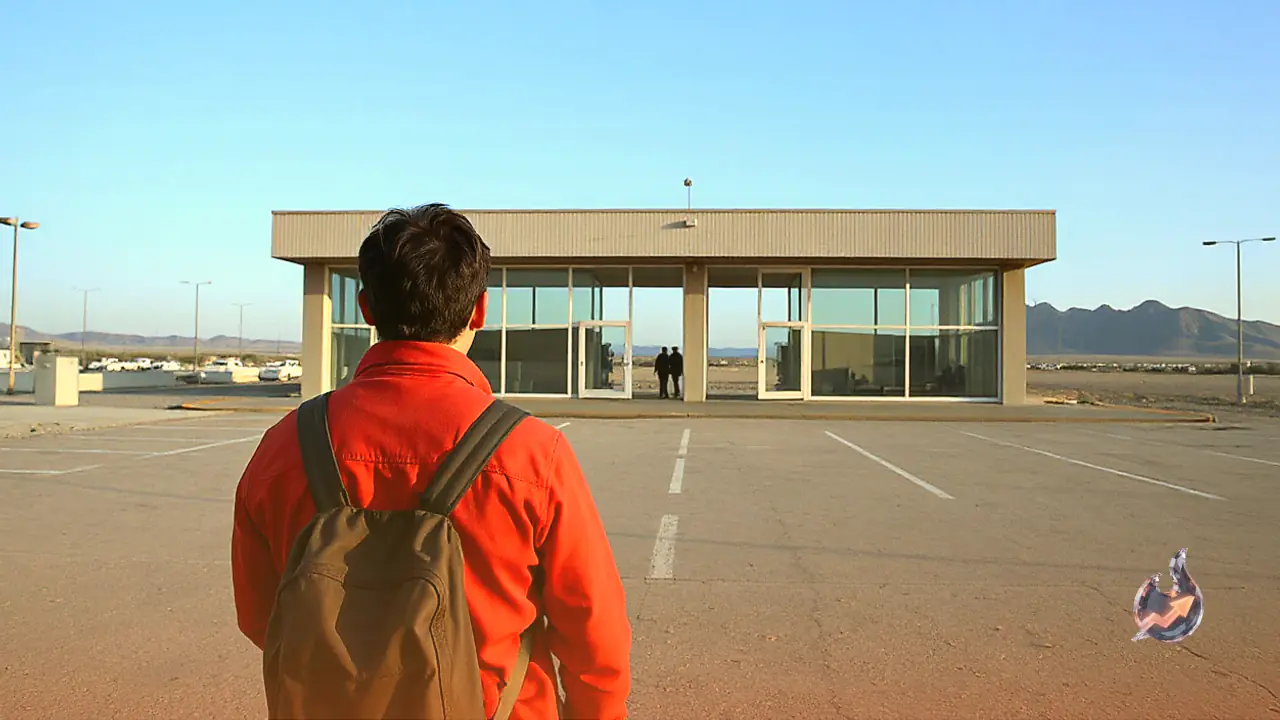
Late last year, the Austin school district assisted in organizing a half-day data collection event specifically for Waymo vehicles. Organizers coordinated with the autonomous driving developer to bring actual school buses and operational stop-arm signals to an empty parking lot. This allowed the company to gather vital information to train its fleet to avoid the illegal maneuver. The data collection session took place after the software fix and voluntary recall were already issued, yet the traffic infractions persisted.
Potential Regulatory Penalties
Historical precedent shows that similar federal recall inquiries have previously resulted in substantial civil penalties. Some of these regulatory actions have cost automakers and software developers tens of millions of dollars in fines.