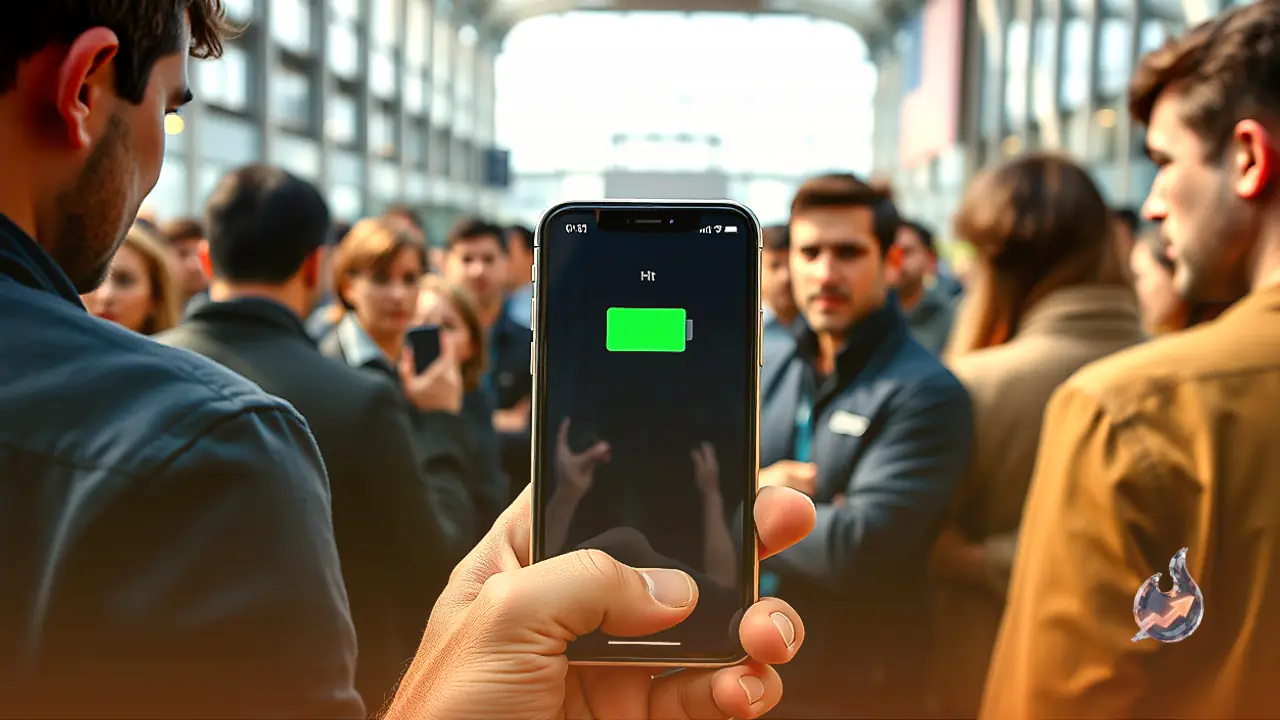

























A critical cellular connectivity breakdown has hit Apple's top tier iPhone 18 Pro Max, leaving several owners unable to access basic mobile network services. Despite boasting high-end specifications like a variable aperture camera sensor, rapid charging reaching 50% battery within 15 minutes, and the new A20 processor powering Apple's latest AI capabilities, certain handsets are failing at primary telephone functions. Affected devices show only an SOS icon at the top of the display, completely losing mobile signal. Without an active cellular connection, placing standard calls is impossible and data apps require an active Wi-Fi network. In critical situations, users cannot even dial 911. Apple has verified that a small number of iPhone 18 Pro Max units running specifically on the AT&T carrier network are encountering this severe outage.
Hardware Swap Required for Inactive Devices
For smartphones that have already lost network reception, software updates cannot restore mobile service. Apple confirmed that preventive patches are useless once a handset loses signal completely. The sole remedy for affected owners is exchanging the phone through an official Apple or AT&T retail outlet. Because this failure constitutes a hardware defect covered under standard warranty terms, store locations are performing unit swaps free of charge.
Essential Preventive Measures for Working Handsets
Users whose iPhone 18 Pro Max models currently show regular cellular reception are not completely out of danger. To safeguard hardware against future failure, Apple advises applying the recent iOS 27.0.1 release alongside the latest AT&T carrier configuration. In an official communication, Apple noted that both updates work in tandem to prevent devices from losing connectivity and dropping calling capabilities. The system upgrade can be fetched manually by navigating to Settings, selecting General, and opening Software Update. While the carrier settings patch is slated to deploy automatically across a 14-day window, users can trigger immediate installation by navigating to Settings, tapping General, and opening the About menu.
Modem Discrepancies and Previous Release Issues
This connectivity defect appears exclusively on the iPhone 18 Pro Max rather than the regular iPhone 18 Pro, and remains restricted to AT&T devices. A key mechanical difference lies within the modem components: the iPhone 18 Pro Max utilizes Qualcomm hardware, whereas the standard iPhone 18 Pro incorporates Apple's proprietary C2 modem. The issue likely stems from a hardware incompatibility involving Qualcomm's modem on this specific network infrastructure. This development follows several other complications observed since Apple rolled out the product lineup last month, including unexpected device restarts triggered by failed Face ID scans, audible popping or cracking noises coming from the speakers, and cosmetic paint peeling on phone exteriors.