




















Residents and motorists across Delhi-NCR are set to face significantly tighter air pollution regulations for the upcoming winter season later this year. The Commission for Air Quality Management (CAQM) has cleared a revised Graded Response Action Plan (GRAP) schedule for the 2026 winter season. The comprehensive action plan outlines 48 distinct measures structured across four progressive stages. A critical strategic update in this revised framework is the deliberate advancement of multiple curbs, bringing stringent restrictions into force at much earlier phases of air quality deterioration.
The primary intent behind bringing these control measures forward is to prevent early spikes in airborne particulate matter before adverse winter meteorological conditions cause pollutants to accumulate heavily over the capital region.
The 'No PUC, No Fuel' Mandate and Strict Financial Penalties
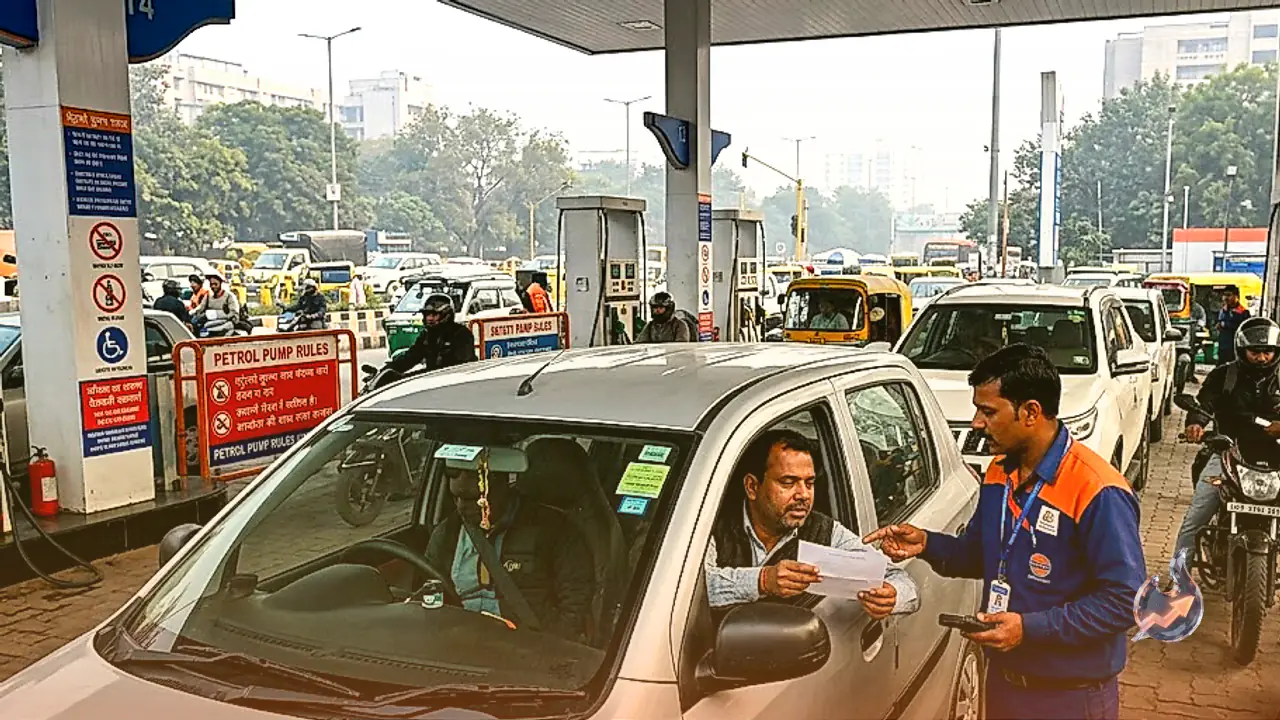
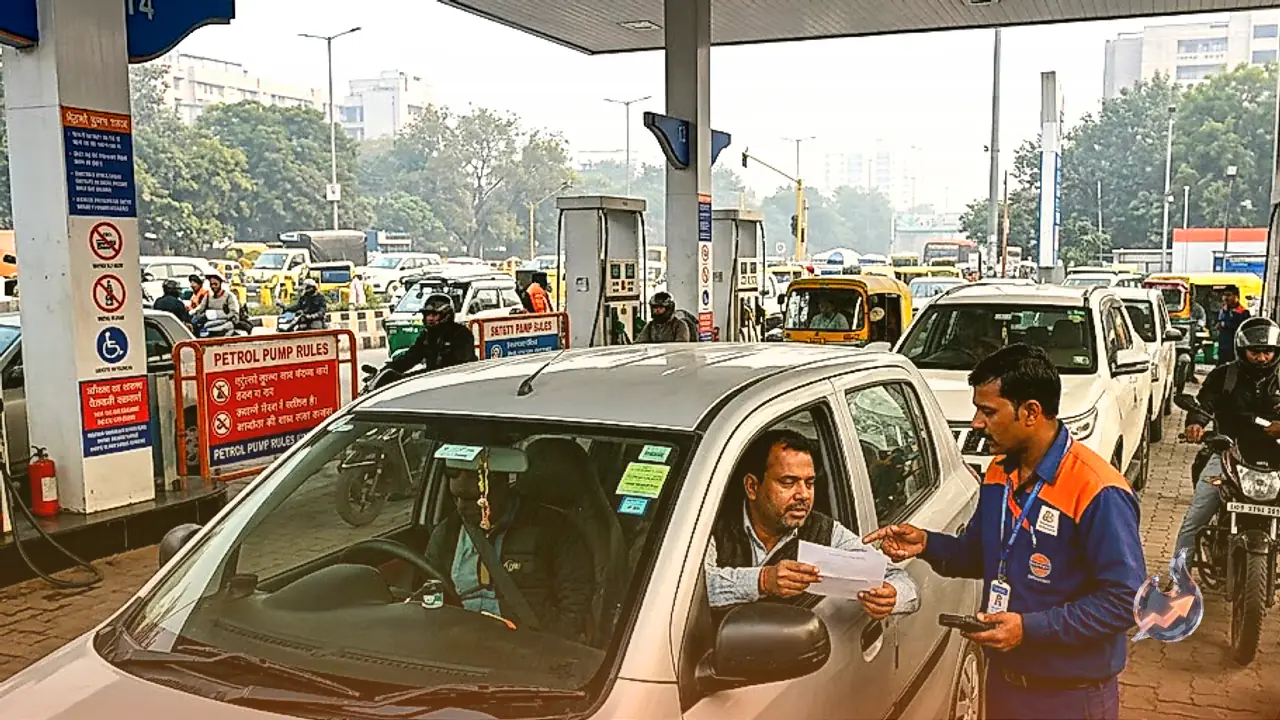
Among the central measures outlined in the revised framework is the strict implementation of the 'no PUC, no fuel' protocol. Commencing from October 1, 2026, all vehicles operating within Delhi-NCR must possess a valid Pollution Under Control (PUC) certificate in order to purchase fuel. Fuel stations across the region are authorized to turn away any motorists who cannot produce a valid document. Alongside fuel denial, vehicle owners found driving without a certified PUC face a steep financial penalty of Rs. 10,000.
This enforcement measure is engineered primarily to compel motorists to test their exhaust output routinely and ensure their vehicles conform strictly to mandatory tailpipe emission limits, avoiding unnecessary vehicular pollution during peak smog months.
Early Restrictions on Inter-State and Inter-City Public Transport Buses
Under the recalibrated GRAP design, several measures that historically were activated only when ambient pollution reached higher, severe tiers will now be enforced at the initial stages. A notable operational shift involves restrictions on designated inter-state and inter-city passenger buses, which have been officially moved forward from Stage II to Stage I.
Consequently, transport buses seeking entry into Delhi-NCR from surrounding and neighbouring jurisdictions, including Haryana, Uttar Pradesh, Rajasthan, Punjab, Himachal Pradesh, Madhya Pradesh, Uttarakhand, and Jammu and Kashmir, must strictly satisfy specified clean-fuel benchmarks. Under the established directive, only electric buses, compressed natural gas (CNG) buses, and BS-VI compliant diesel buses will be granted permission to enter and operate across the region.
Stage III Curbs on BS-III Petrol and BS-IV Diesel Passenger Cars
Should deterioration in air quality trigger the activation of GRAP Stage III, specific older private and commercial passenger automobiles will face mandatory operational bans. Under Stage III protocols, BS-III petrol and BS-IV diesel four-wheelers will be prohibited from plying on roads across Delhi as well as high-vehicle-density districts throughout the NCR.
These high-density districts specifically encompass Gurugram, Faridabad, Ghaziabad, Gautam Buddh Nagar, and Sonipat. Because these metropolitan corridors carry dense vehicular corridors, removing older tailpipe emission profiles during Stage III is designated as a critical intervention.
Regulations on Commercial Goods Carriers and Diesel Generator Sets
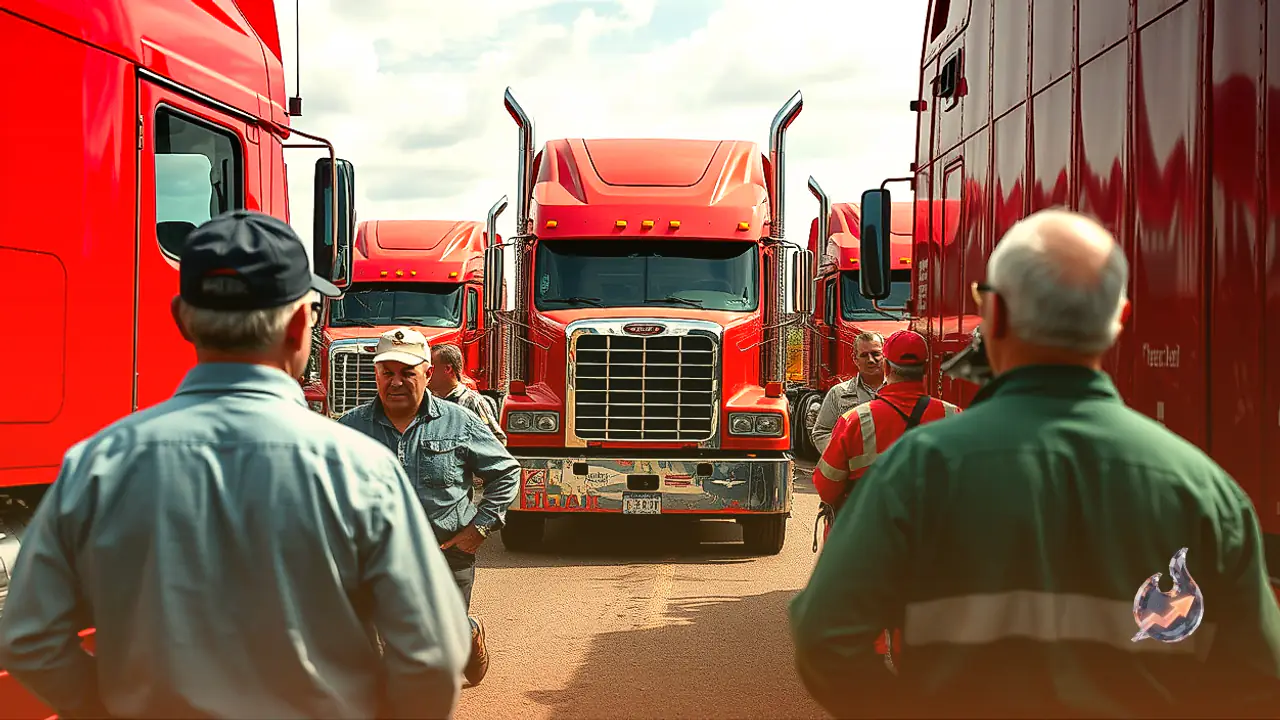
The revised GRAP regulations similarly impose stringent limitations on logistics and commercial haulage. Upon reaching Stage III, specified BS-IV and older light goods vehicles (LGVs) and medium goods vehicles (MGVs) will be barred from transit. If the environmental scenario escalates to Stage IV, even harsher prohibitions will immediately descend on large trucks and heavy commercial goods vehicles.
Simultaneously, curbs governing diesel generator (DG) sets have been recalibrated to trigger at an earlier stage. Only DG installations that conform to notified environmental emission standards, or those retrofitted with officially approved emission-control systems, will be legally permitted to run. Critical and life-safety operations, specifically including hospital systems and residential or commercial elevator operations, will continue to receive formal exemptions from these generator restrictions.