





















There is an old proverb that highlights the perils of dining alone, reflecting how deeply human connection is valued across cultures. When examining risk management and major economic shifts, experienced professionals often look for the foundational assumptions that everyone expects to remain constant. For years, the prevailing assumption has been that intelligence and cognitive analysis will always command a high price. However, current technological advancements suggest that this dynamic is rapidly changing, shifting the focus from raw data processing to human interaction.
The Rapid Depreciation of Routine Analysis
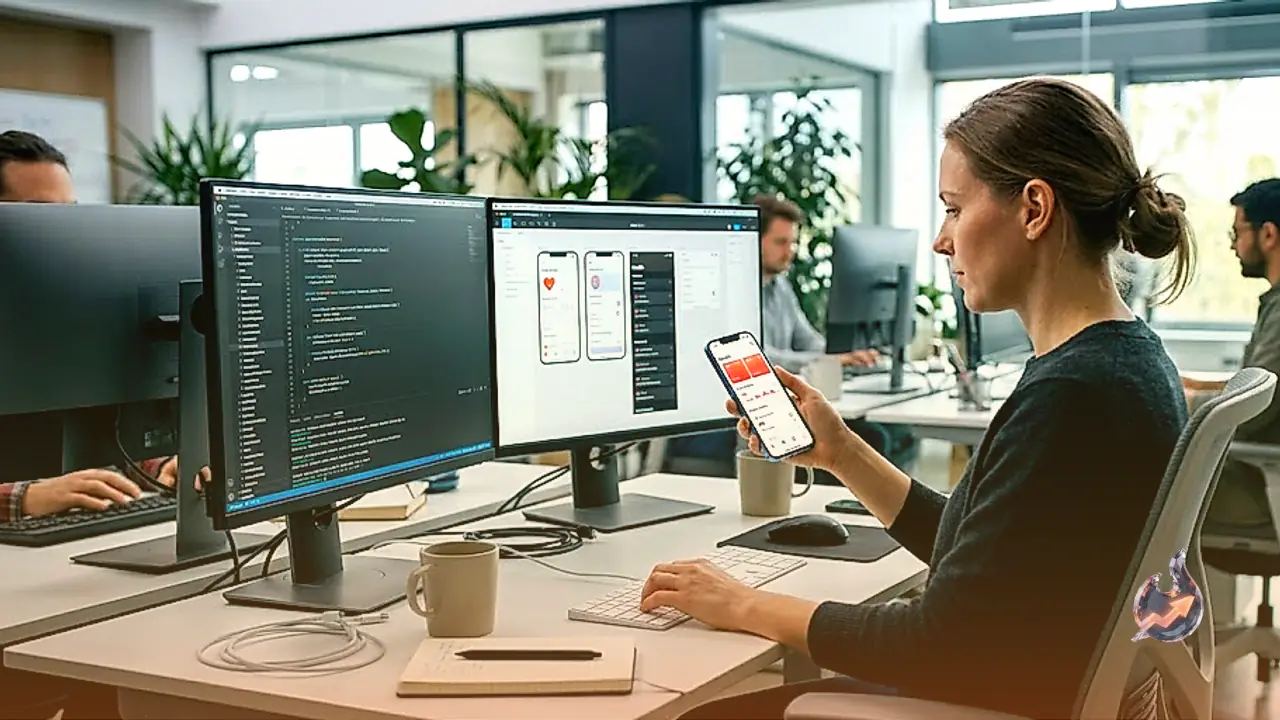
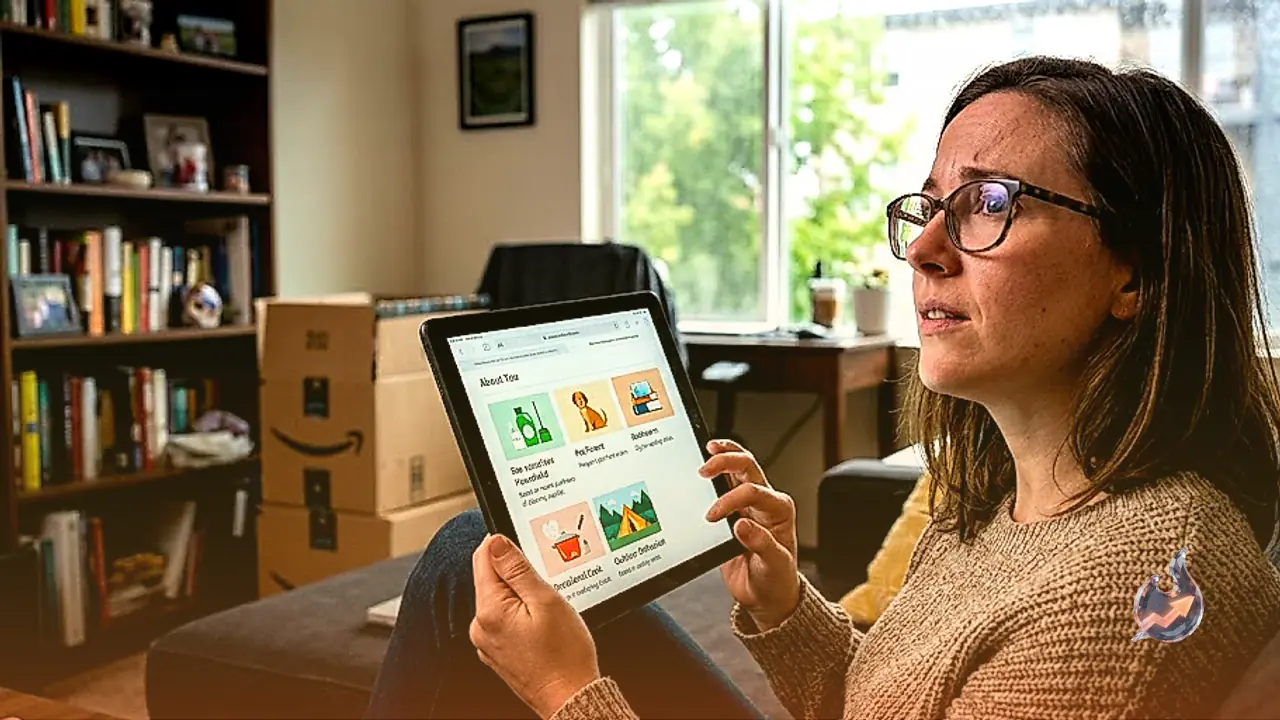
Tasks that once required hours of meticulous work from a junior analyst, such as drafting market notes, compiling credit memos, or translating professional emails across multiple languages, can now be accomplished in mere seconds using automated prompts. Whenever the supply of any commodity or service increases exponentially, its market price inevitably declines, driving capital toward entirely new sectors. As automated systems take over repetitive cognitive tasks, the market attention naturally pivots toward the qualities that machines cannot replicate, starting with personal charisma and interpersonal communication.
The Growing Labour Market Premium for Social Skills
Research examining labour market trends from 1980 onward reveals that the vast majority of job growth has occurred in occupations heavily reliant on social skills, while roles centered entirely on technical calculations with minimal human interaction have underperformed. Furthermore, social skills have consistently commanded a wage premium on top of basic cognitive ability. Major employment outlook reports indicate that employers expect a significant portion of core workplace skills to evolve rapidly, placing traits like resilience, empathy, and curiosity right alongside technical literacy in terms of priority.
Silicon Valley Embraces Etiquette and Charisma
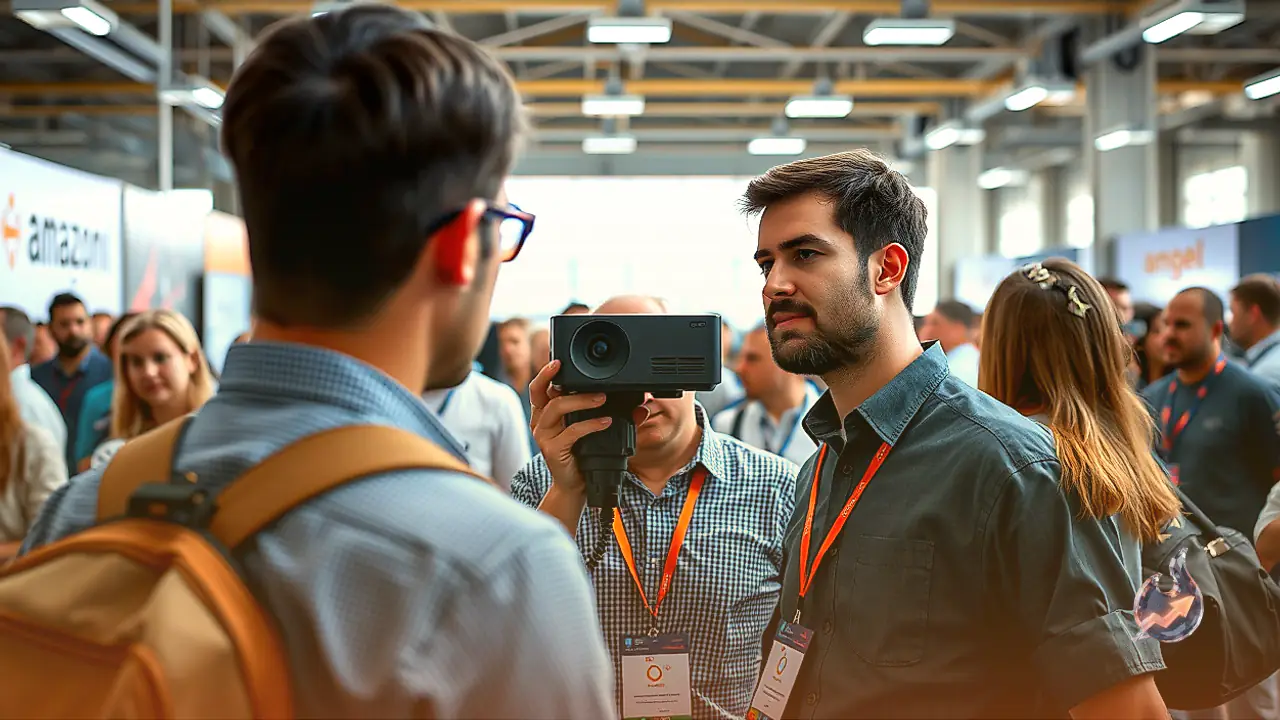
Even within the technology sector, industry leaders are beginning to recognize the tangible value of personal presentation and social grace. Exclusive gatherings focused on professional etiquette, conversational mastery, and relationship-building have gained traction among startup founders and investors. The underlying rationale is straightforward: despite possessing the most powerful software tools in history, introducing groundbreaking technology to the world still requires persuasive human advocates. Investing time in mastering interpersonal etiquette is increasingly viewed as a crucial strategic advantage in competitive markets.
The Economic Power of Hospitality and Ritual
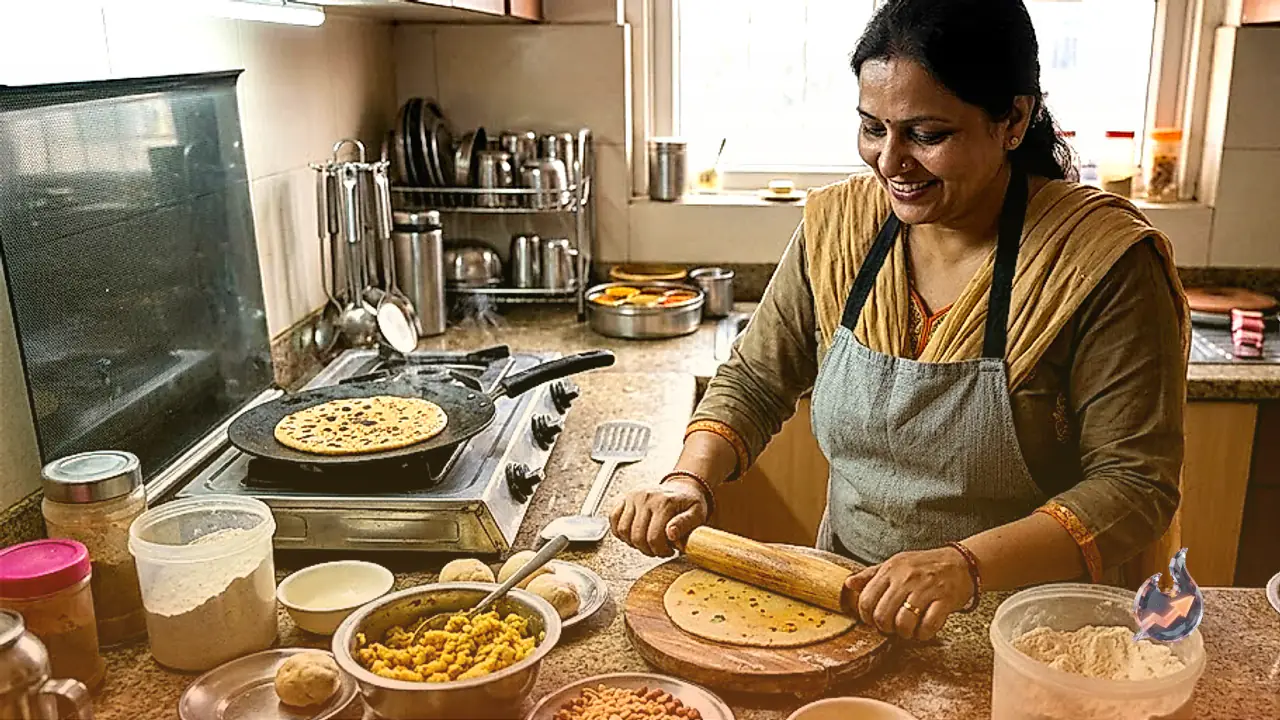
Traditional economies have long understood the commercial value of cultural experiences and hospitality. Regions renowned for their culinary heritage and agrifood exports generate massive economic returns not merely because of the physical products sold, but largely due to the cultural rituals surrounding them. UNESCO recognition and record-breaking export figures in food and beverage sectors underscore how deeply consumers value authenticity, traditional preparation, and the communal experience of sharing a meal.
Why Major Decisions Happen Away from the Office
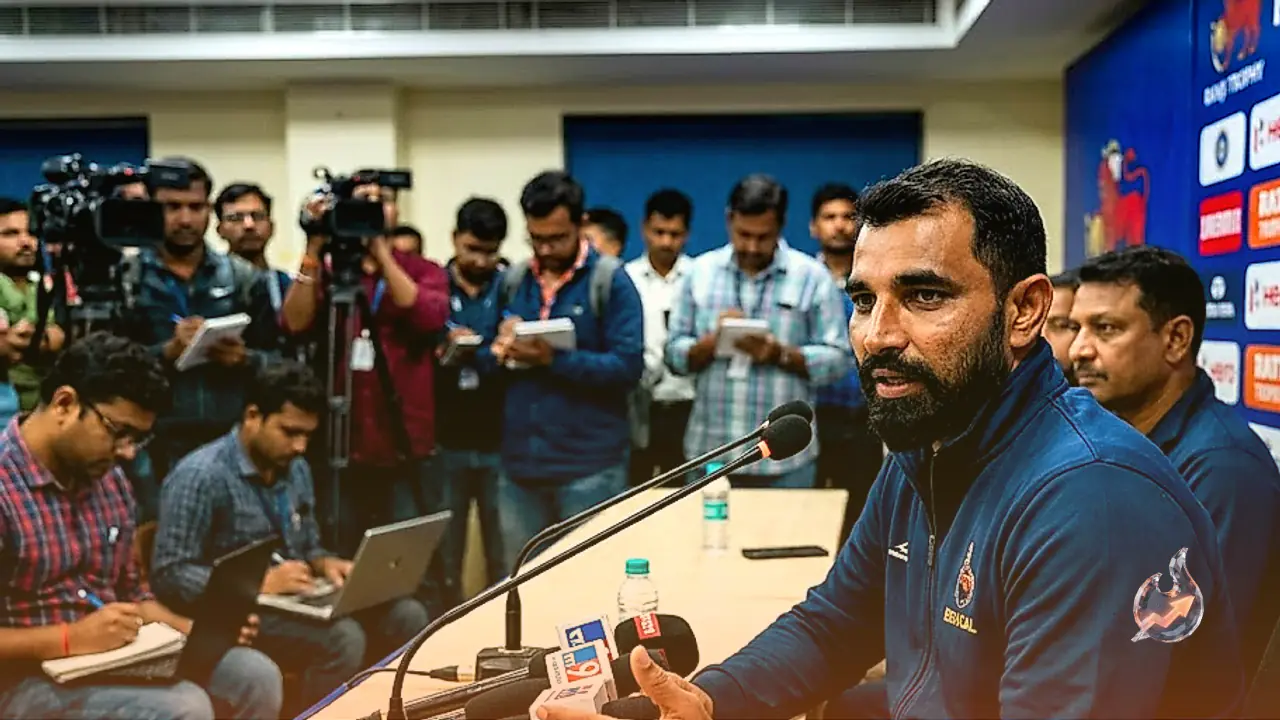
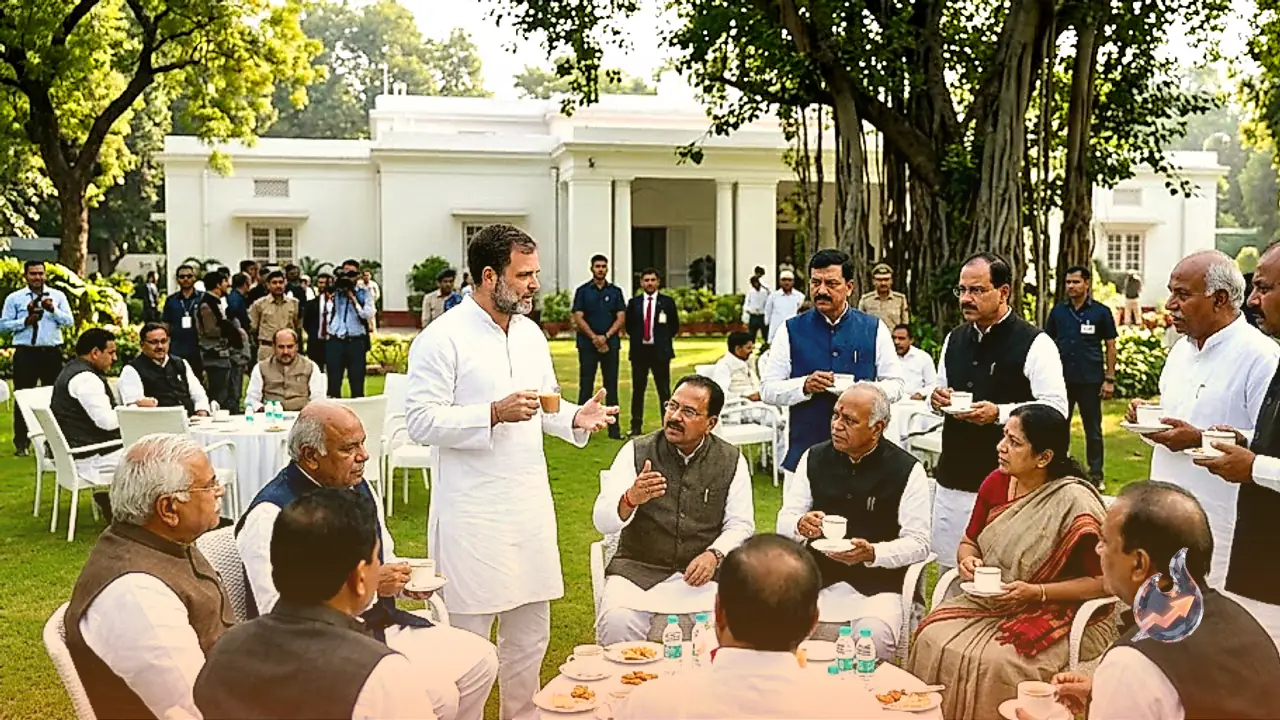
While formal contracts are routinely signed inside corporate boardrooms, pivotal decisions are frequently shaped over dinner conversations, evening gatherings, or informal meetings where participants can gauge genuine character. Economists describe these interactions as costly signals because they require an investment of personal attention and time, which are among the scarcest resources in modern professional life. Demonstrating sincere engagement during these moments signals that a person values the long-term relationship above an immediate transactional gain, which frequently paves the way for successful business partnerships.
Leadership and Pricing Power in an Automated World
As artificial intelligence standardizes routine analytical reports across competing firms, internal teams will increasingly produce similar outputs using identical tools. Consequently, a leader's true competitive edge will no longer stem solely from spreadsheet forecasts, but from interpersonal trust, unique experiences, and relationship-driven advisory capabilities. Businesses operating in hospitality, experiential tourism, and ritual-based luxury are well-positioned to retain strong pricing power as technology continues to reshape the global economy.