


















Getting a visa stamped on your passport feels like the hardest part is over. Experienced travellers know, however, that approval is really just the starting point. The genuine test arrives at immigration and customs desks, where an underprepared traveller can face delays, fines, or far worse. Understanding the gap between visa approval and a clean airport entry is what separates a relaxed journey from a chaotic one.
Read Your Visa Sticker the Way You Would Read a Legal Contract
The very first thing to do after your visa arrives is examine the sticker closely. Clerical errors in names or dates are more common than most people expect, and even a trivial mismatch can stop you at the immigration counter. The sticker contains everything that matters: the validity window, the permitted number of entries, and the maximum number of days you may stay on each visit.
A single-entry visa is finished the moment you leave the destination country, regardless of how many days remain on the validity period. Multi-entry visas are more forgiving, allowing multiple trips in and out within the approved timeframe. In either case, know your permitted duration of stay per visit and do not exceed it. Overstaying is treated as a serious infraction and can result in fines, deportation, or a ban from future visa applications. Staying within the permitted period also builds a positive travel record, which works in your favour for future applications.
How to Handle the Immigration Queue
The immigration line demands patience and well-organised paperwork. Keep your passport, return tickets, and confirmed hotel bookings within easy reach. Officers frequently ask about the purpose of your visit and whether you have adequate funds for your stay. Nervousness at this stage is entirely normal, but short and honest answers work far better than lengthy explanations. Vague or rambling responses tend to invite additional questions.
Travel insurance is another document that may come up at the counter. Make sure your policy covers the complete duration of the trip, not just the first few days or the outbound journey alone.
Customs: The Final Gate Before You Are Truly Inside
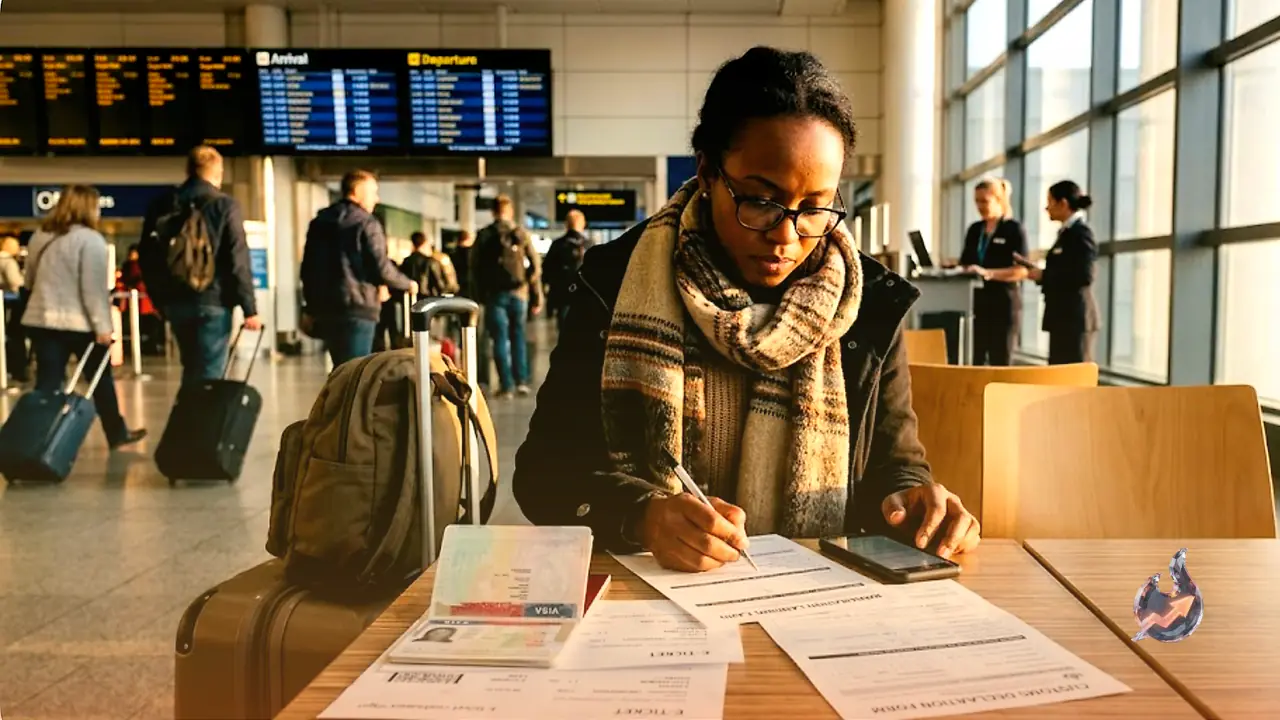
Customs clearance is the last checkpoint, and it is one that many travellers underestimate. Every destination country establishes its own duty-free limits on what can be brought in without declaration. Cash above a specified threshold, high-value electronics, and certain foods or medicines must be declared. Choosing not to report these items risks confiscation and substantial financial penalties. Researching the specific duty-free limits for your destination before you travel costs nothing and can save considerable money and stress.
Every traveller should carry these documents and understand why each one matters:
- Passport and Visa: official legal permission to enter the country
- Return Tickets: proof that you intend to depart within the permitted period
- Hotel Bookings: evidence confirming where you plan to stay
- Travel Insurance: coverage for medical emergencies throughout the trip
Airport Logistics Once You Clear Customs
Once you walk through the customs hall, connectivity and cash become your two most immediate priorities. Buying a local SIM card at the airport is typically the fastest way to get onto local mobile networks, use navigation apps, and reach anyone waiting to meet you. When it comes to money, avoid changing large sums at the currency kiosks in arrival halls. ATMs located in those same areas generally offer considerably better exchange rates than the counters.
Hang on to your landing card and boarding pass after you arrive. A number of countries ask for these documents again at the point of departure. Photograph every important travel document and save the copies to your phone or a cloud storage account. If your physical passport or visa is ever lost or stolen, those digital backups make getting help from your embassy or consulate significantly faster.
A modest amount of preparation before your flight lands can turn a potentially stressful arrival into a straightforward, positive experience. The effort put into these steps pays off from the very first moment you step off the plane.