



















Eligible families living in urban areas across the country can now access significant financial relief on their housing credit under the Pradhan Mantri Awas Yojana-Urban 2.0, officially known as PMAY-U 2.0. Effective from September 1, 2024, this flagship government housing initiative aims to meet the residential requirements of 1 crore urban households over the coming years. Among the primary highlights of the updated program is the Interest Subsidy Scheme vertical, which offers a substantial home loan interest subsidy of up to Rs. 1.80 lakh directly to eligible beneficiaries acquiring, constructing, or repurchasing their homes.
Understanding the Four Verticals of PMAY-U 2.0
The PMAY-U 2.0 scheme is structured around four distinct operational verticals, each tailored to address specific housing requirements in urban centers. These verticals include Beneficiary Led Construction (BLC), Affordable Housing in Partnership (AHP), Affordable Rental Housing (ARH), and the Interest Subsidy Scheme (ISS). The operational focus varies across these categories to ensure comprehensive coverage of different urban demographic needs.
While Beneficiary Led Construction and Affordable Housing in Partnership primarily focus on boosting the physical construction and availability of affordable residential units, Affordable Rental Housing concentrates on supplying suitable rental options for urban dwellers. Meanwhile, the Interest Subsidy Scheme vertical functions as a direct financial assistance model, providing interest subvention on home loans taken through formal banking and housing finance channels.
Interest Subsidy Scheme: How the Rs. 1.80 Lakh Benefit Operates
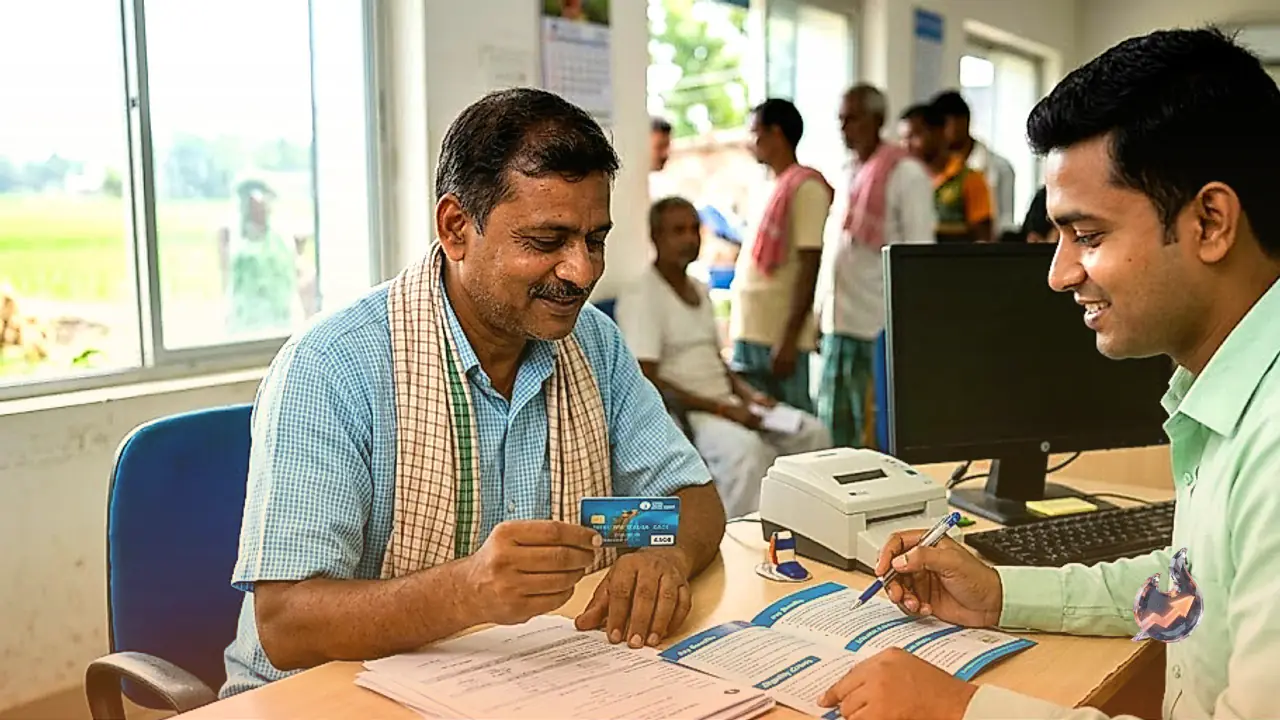
Under the Interest Subsidy Scheme vertical, the Central Government offers direct financial assistance to lower and middle-income families who take home loans to purchase a new house, repurchase an existing property, or construct a home on their own plot. The maximum actual subsidy provided under the scheme is capped at Rs. 1.80 lakh per beneficiary unit.
This financial support is administered as a Central Sector Scheme by the Government of India. Rather than being paid out as a lump-sum cash grant to the applicant, the total subsidy amount is credited directly into the beneficiary's home loan account. The government releases this benefit in five separate installments, which effectively reduces the outstanding principal balance of the loan and subsequently lowers the overall interest burden on the borrower.
To qualify for this interest subvention, the underlying home loan must meet strict timeline criteria. Specifically, the subsidy is applicable only to eligible home loans that have been formally sanctioned and disbursed on or after September 1, 2024, in full compliance with the guidelines laid down under PMAY-U 2.0.
Income Slabs and Eligibility Categories Explained
PMAY-U 2.0 covers applicants across multiple economic strata, categorizing households into four specific annual income slabs to determine eligibility under the Interest Subsidy Scheme. Understanding these income brackets is essential for potential applicants before initiating their documentation.
- Economically Weaker Section (EWS): Households with an annual income limit of up to Rs. 3 lakh qualify under the EWS category.
- Low Income Group (LIG): Families earning an annual household income between Rs. 3 lakh and Rs. 5 lakh fall under the LIG category.
- Middle Income Group I (MIG I): Households with an annual income ranging from Rs. 6 lakh to Rs. 12 lakh are classified under the MIG I bracket.
- Middle Income Group II (MIG II): Applicants having an annual household income between Rs. 12 lakh and Rs. 18 lakh come under the MIG II category.
Mandatory Conditions: Women's Ownership and Property Restrictions
Annual household income is not the sole criteria for determining eligibility under PMAY-U 2.0. Applicants must also satisfy strict property ownership guidelines and program rules established by the government.
A primary condition dictates that no member of the applicant's beneficiary family should own a pucca house in any part of India. The beneficiary family is defined to include the applicant, spouse, and unmarried children. Additionally, the applicant's family must not have previously availed of housing assistance from the Central Government under any central housing scheme.
Furthermore, PMAY-U 2.0 places strong emphasis on promoting women's financial independence and property rights. Under the framework of the scheme, the house being acquired, constructed, or subsidized should generally be owned fully or partially by a female member of the beneficiary family.
Step-by-Step Online Application and Status Tracking Process
The application procedure for PMAY-U 2.0 has been simplified through a digital platform, allowing eligible individuals to register online via the official PMAY-Urban portal. Applicants must gather necessary documentation verifying their identity, residential address, income proof, property details, and a formal self-declaration confirming that no family member owns a pucca house anywhere in India.
During the online registration process, applicants must carefully choose the specific PMAY-U 2.0 vertical under which they wish to apply, such as BLC, AHP, ARH, or ISS. It is critical for applicants to exercise caution during this step, as the scheme guidelines specify that the selected vertical cannot be changed once the application form has been submitted.
After successful submission of the application, beneficiaries can conveniently track their application status online. Verification updates and processing status can be monitored on the portal using either the generated Assessment ID or the applicant's Aadhaar number.