
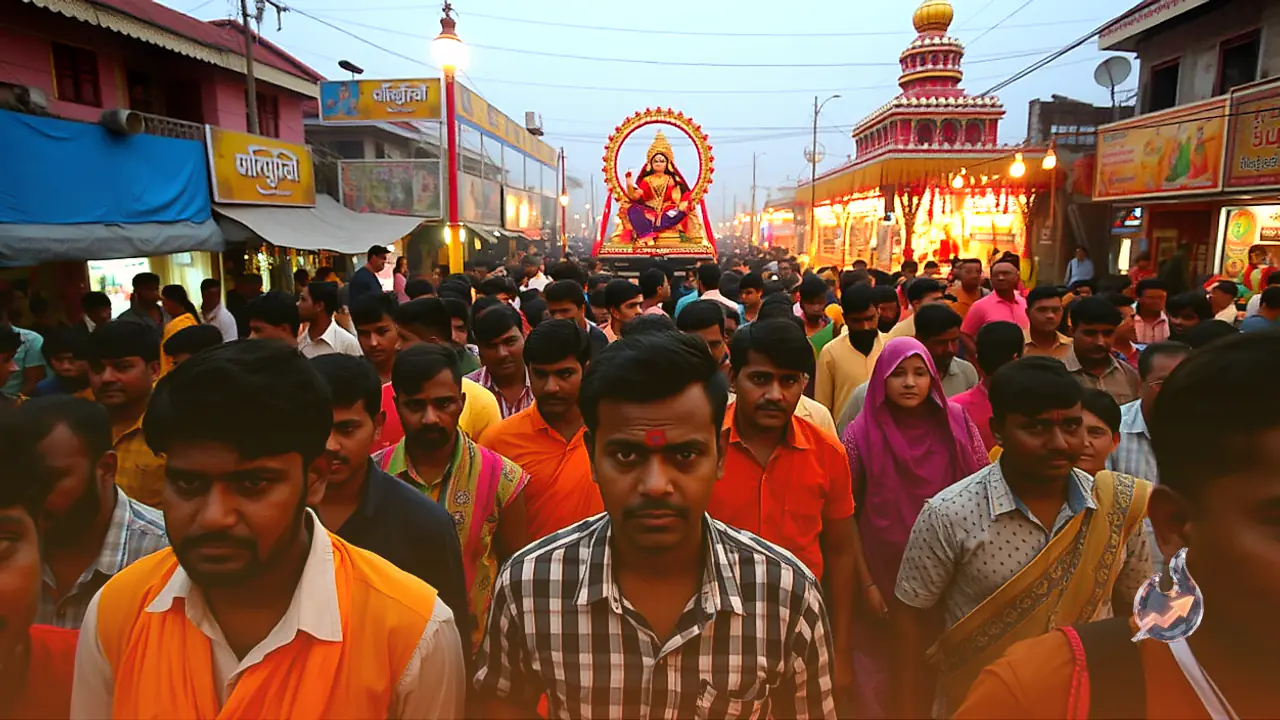
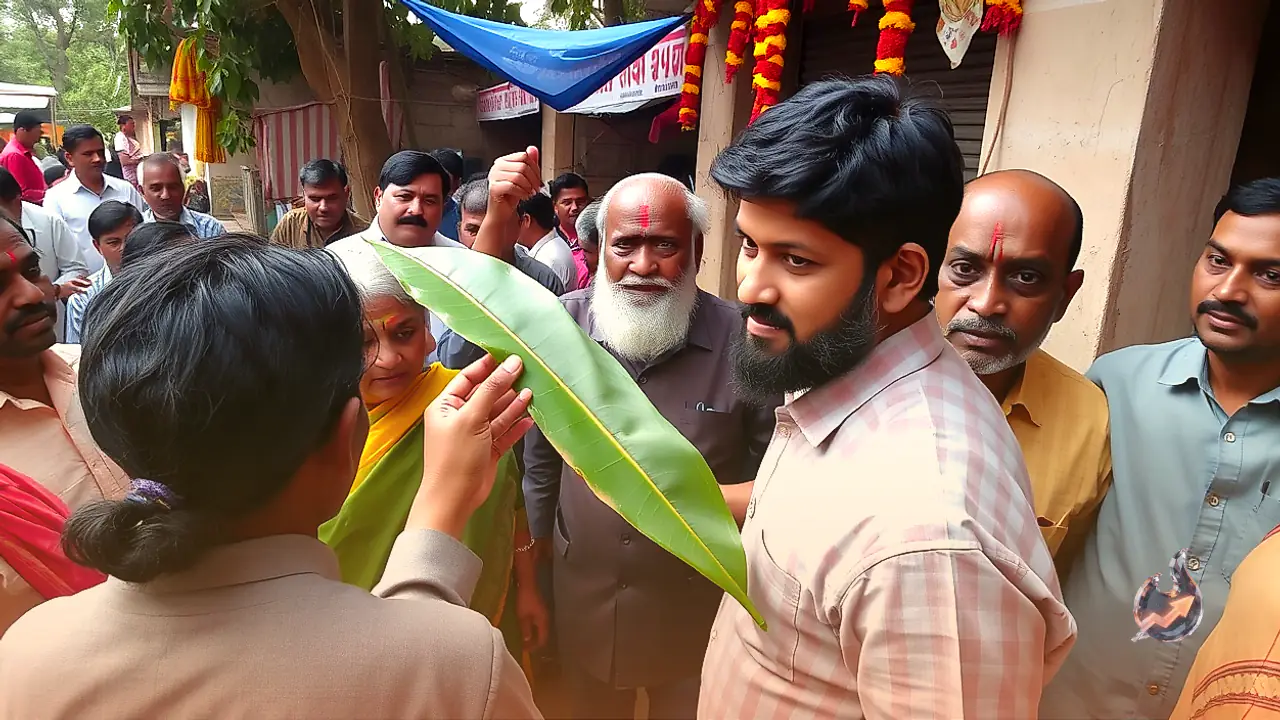














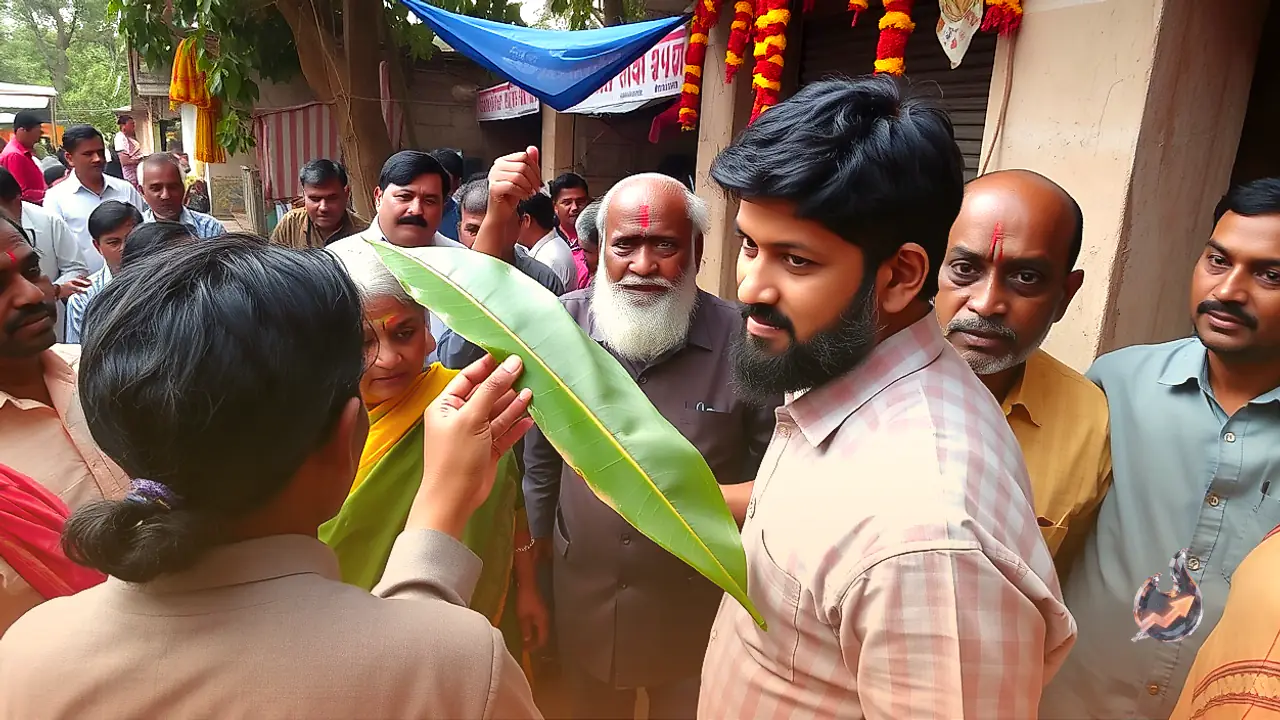

During the festive season of Navratri in Faridabad, along with worshipping goddess Durga, decorating the main entrance of the house holds immense significance. Throughout these sacred days, many households adorn their front doors with mango leaf torans, draw auspicious swastikas using kumkum, and install sacred kalash pots. However, many people remain unaware that simply hanging a toran is not enough, as performing a proper ritual worship before putting it up is considered essential. Explaining how to correctly install mango leaf torans and how to remove them once Navratri concludes, Faridabad-based astrologer Pandit Uma Chandra Mishra notes that marking the main door with a swastika or the sacred shri symbol using kumkum during Navratri brings immense prosperity. Using a traditional bandanwar or toran made of fresh mango leaves is equally recommended. One must ensure that the leaves chosen for the toran are entirely undamaged and free from tears, while the thread or string used to bind them together must also be in proper condition.
Significance of prior worship and proper door placement
According to Pandit Uma Chandra Mishra, the mango tree is traditionally revered as a divine tree and is widely celebrated as the king of fruits in Hindu culture. This is precisely why mango leaves find a prominent place in almost all religious rituals, auspicious ceremonies, and festive celebrations. Despite this, people often tie torans directly onto their doorframes without offering any preliminary prayers. Before mounting the toran on the main entrance, one should sprinkle a little gangajal over it and perform a proper ritualistic worship according to scriptural guidelines. Only after completing this step should it be hung on the door. While placing the toran on the primary entrance of the house is deemed the most auspicious choice, homeowners should also pay careful attention to the specific direction the main door faces. Furthermore, the entire house should feature only a single bandanwar. In many places, people end up hanging multiple separate bandanwars across various doorways, but this practice should strictly be avoided.
Rules for drawing swastikas and establishing the kalash
Pandit Uma Chandra Mishra explains that the swastika symbol is widely regarded as a direct representation of Lord Ganesha. Therefore, while marking the swastika on the main entrance during Navratri, drawing the shri symbol alongside it is strongly advised. When creating the swastika, placing traditional dots on all four of its arms is also described as a necessary step to properly follow established ritual traditions. Moving on to the kalash, it is believed to be the sacred dwelling place of various deities. The opening of the kalash represents the presence of Lord Vishnu, while its neck is considered the sacred seat of Lord Rudra. Placing a small heap of raw rice on the threshold of the main doorway and installing the kalash directly on top of it is considered an extremely auspicious practice.
Pandit Uma Chandra Mishra points out that once Navratri concludes and the time comes to take down the toran or bandanwar from the doorway, one must never discard it carelessly in random places. According to established religious traditions and beliefs, the used toran should instead be respectfully immersed in a flowing water body. Extreme care must be taken even while dismantling and removing the toran from its place. By diligently following these traditional guidelines and customs, devotees can successfully complete the decoration and worship of their home's main entrance throughout the auspicious festival of Navratri.