




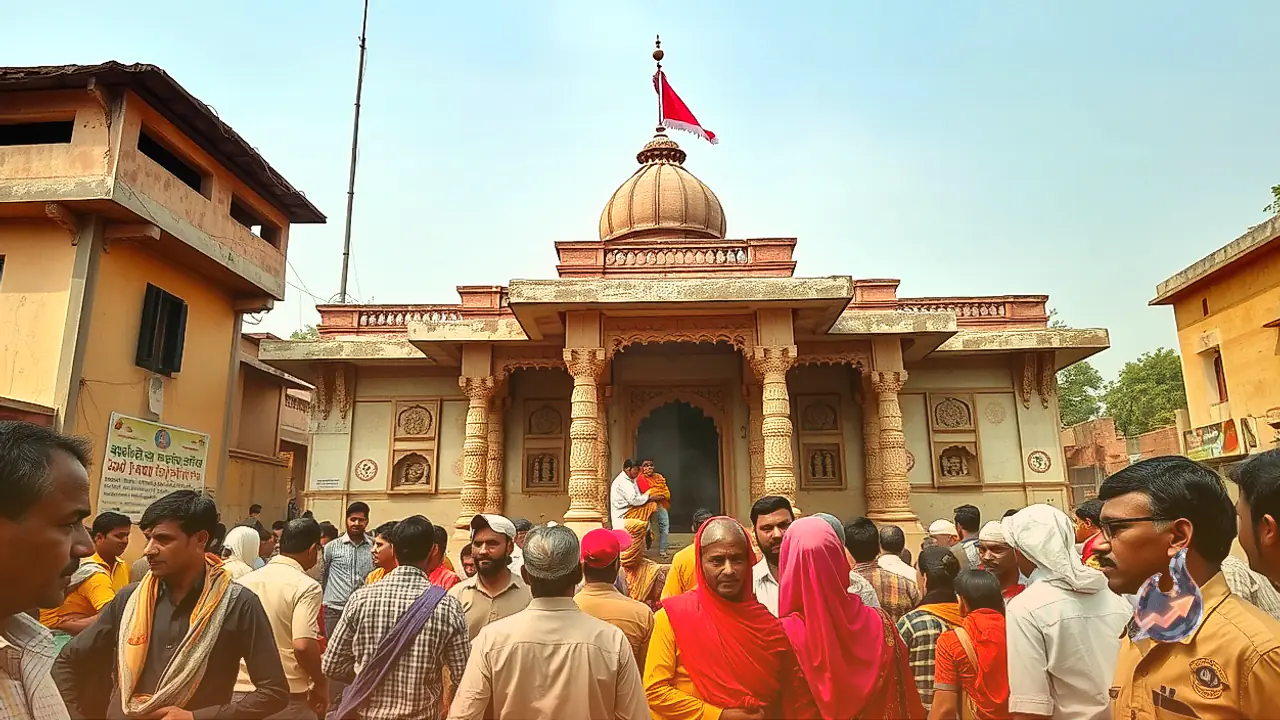














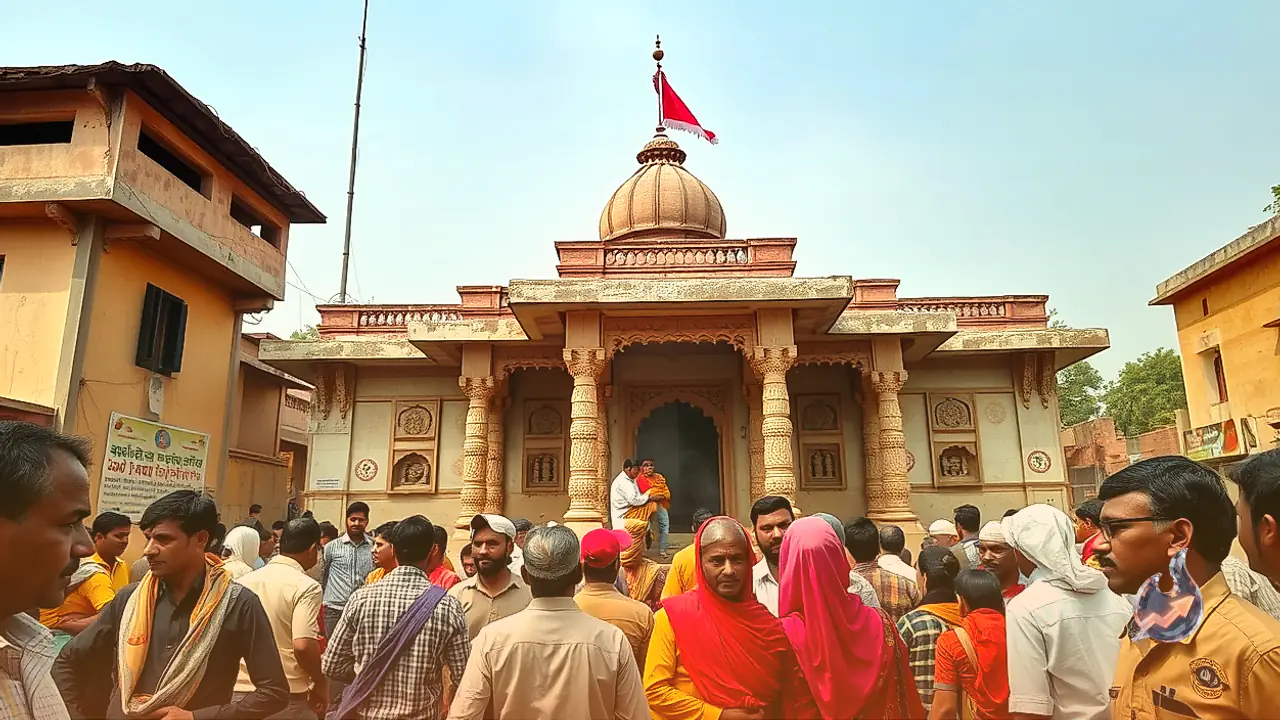

Substance abuse continues to fracture countless households, eroding peace, wrecking relationships, and leaving families on the verge of complete breakdown. People trapped in habits involving alcohol, gutkha, tobacco, and other addictive products frequently turn to pharmaceuticals and rehabilitation programs to regain control of their lives. Amid these everyday battles, a sacred site in Atali village of Faridabad district in Haryana has become a profound center of faith. Local villagers point out that sitting quietly and praying at the Baba Lal Das Ji Maharaj temple provides people with powerful mental resolve to abandon addictive substances. According to residents, several individuals have successfully walked away from long-held vices after spending time in the temple premises.
A Spiritual Legacy Spanning Nearly 475 Years
Local resident Karamveer Singh detailed the historical and spiritual heritage of the revered saint. He explained that Baba Lal Das Ji Maharaj lived approximately 475 years ago. The saint commanded deep respect across communal boundaries, drawing followers from both Hindu and Muslim communities alike. Baba Lal Das was a dedicated devotee of Lord Ram, spending his days immersed in chanting the divine name. His teachings shaped the everyday conduct of his disciples, who stayed strictly away from intoxicating substances and completely abstained from consuming meat, eggs, and alcohol.
The Legend of the Poisonous Well in Alwar
Several folklore narratives surrounding the saint's spiritual presence have been preserved across generations. Karamveer Singh recounted a notable episode associated with the Alwar region of Rajasthan, where a particular water source was known among locals as the well of poison. Conventional belief held that anyone who drank from this well would instantly perish. According to oral traditions, Baba Lal Das drank water from that very well, after which its toxicity vanished and the water turned sweet. Folk tales also recount how contemporary rulers attempted to harass the saint and even placed him behind bars due to his growing influence.
Shrines Across Rajasthan and Haryana
The saint's footprint remains widely celebrated throughout North India. Karamveer explained that the primary and largest temple dedicated to Baba Lal Das is located in the Sherpur area of Alwar in Rajasthan, while numerous other shrines exist across Haryana and adjacent territories. The shrine in Atali village is considered exceptionally old, with villagers noting that it has stood since the very founding of the settlement. Within the expansive compound, alongside the main seat of Baba Lal Das, stand temples dedicated to Lord Shiva, Goddess Parvati, Lord Hanuman, and Radha-Krishna. The premises also feature a traditional pond and a designated hall for a library.
Tradition of Offering the First Salary
Devotion surrounding the shrine runs deep, drawing visitors from distant places throughout the year. Karamveer Singh noted an inspiring tradition where newly employed youth, particularly those securing government positions, offer their very first salary in service of the shrine. Having initiated this practice himself, he observed that many young professionals continue to uphold the custom. Similarly, individuals landing private sector jobs or launching successful commercial ventures visit to offer thanksgiving and volunteer services. Every year around the time of Phalgun Purnima, the management hosts a large-scale community feast, preparing sanctified food for approximately 5,000 to 7,000 devotees.
Blending Spiritual Motivation with Medical Realities
Villagers maintain that individuals caught in severe addiction can discover life-altering motivation simply by sitting within the serene surroundings of the shrine and offering sincere prayers. They attribute this psychological shift to divine grace and the tranquil atmosphere of the temple, which temporarily shields individuals from cravings. At the same time, Karamveer Singh emphasized that addiction is an intricate medical challenge that should not be addressed by faith alone. While the temple fosters strong will and emotional strength, individuals struggling with severe dependencies must seek professional medical advice and evidence-based rehabilitation care. The local accounts of overcoming addiction remain grounded in personal devotion, serving as a complementary emotional anchor alongside standard healthcare treatments.