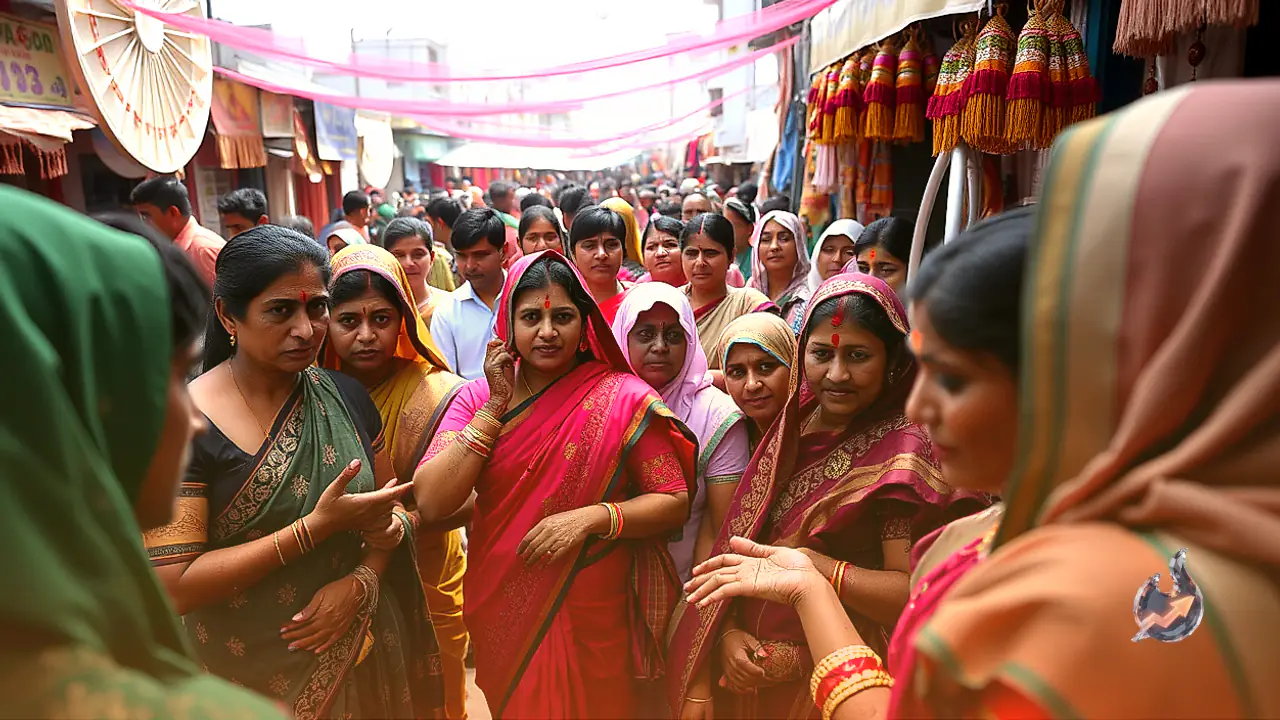

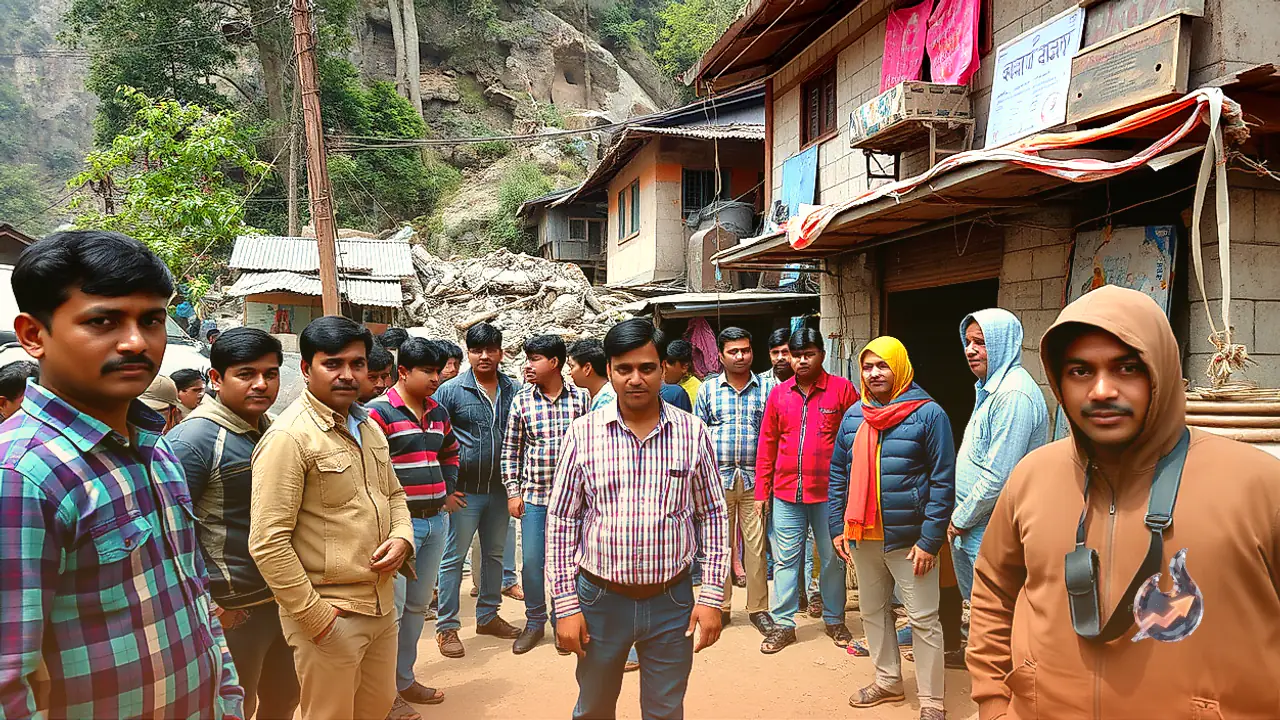



















While urban residents increasingly turn to air-conditioned supermarkets, sprawling departmental stores, and rapid doorstep delivery apps for their everyday grocery needs, rural communities in Jharkhand continue to rely on long-standing village trading traditions. In these countryside pockets, weekly open-air markets, locally known as haats, serve as vital economic lifelines where essential commodities remain accessible at exceptionally modest prices. A striking example of this enduring model can be seen at the weekly haat held in Mirzahadi village, situated approximately 14 kilometres outside Jamshedpur, where rural shoppers find household provisions tailored directly to their immediate means.
A Floor Mat Serves as the Entire Grocery Counter
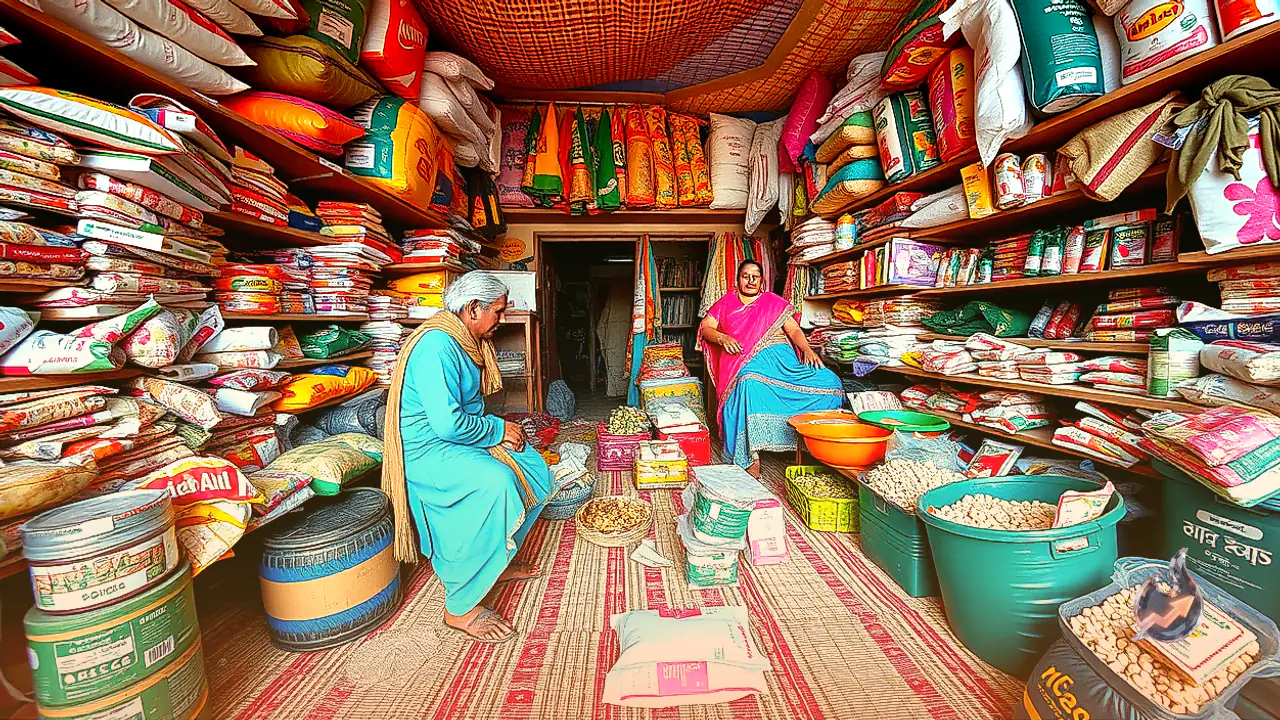
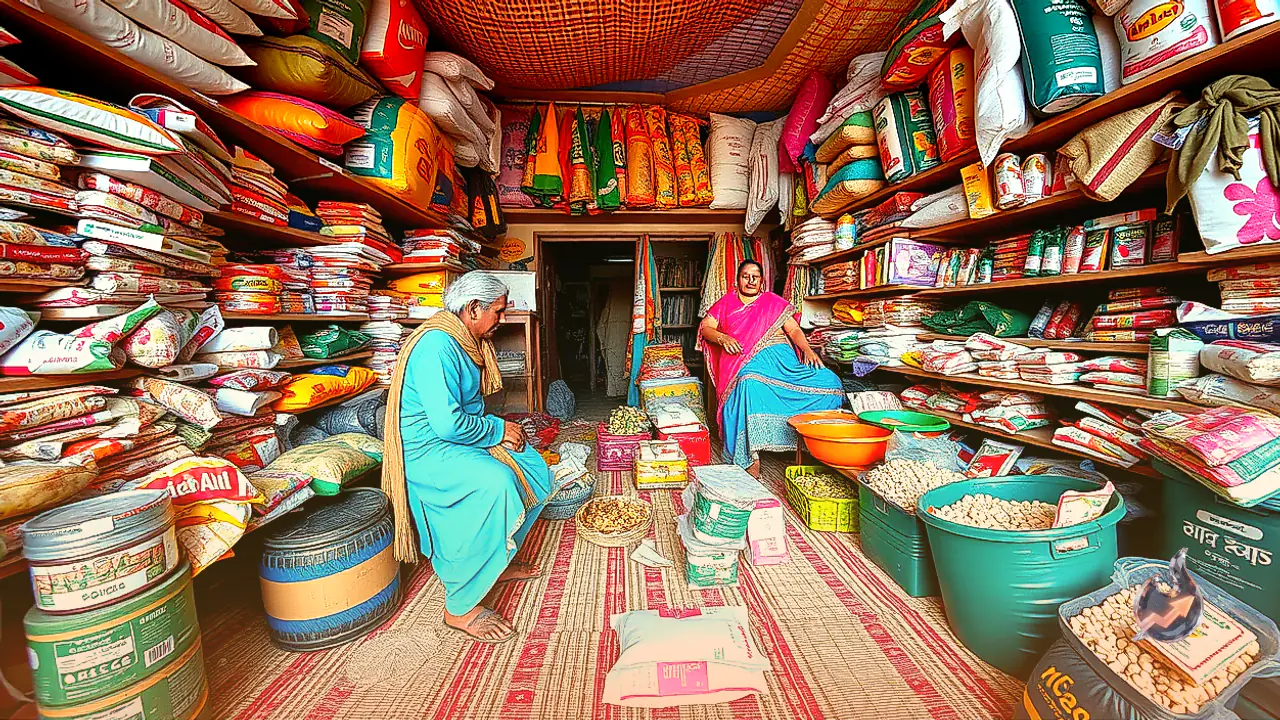
The standout feature of this weekly village market is a unique grocery stall run by a local trader named Ishan Dutt. Operating without permanent shelves, counters, or physical store fixtures, Ishan Dutt spreads a distinctive mat directly onto the ground and neatly organizes his entire inventory across its surface. Arranged in careful, small portions across the mat are cooking staples including lentils, rice, soya chunks, various whole and crushed spices, edible oil, and washing soap. The open-floor setup enables buyers to purchase precisely what they require for immediate consumption without feeling compelled to spend on bulk quantities or large commercial packaging.
Spices and Grains Packaged in 10 and 20 Rupee Portions
Explaining his trade approach, Ishan Dutt notes that spices and dry grains are consciously pre-measured into micro-packets to match the spending power of rural households. A small bowl portion of mixed spices costs just 10 rupees, offering a household blend that includes turmeric, cumin, black pepper, ginger, and garlic. Similarly, staple items such as lentils, rice, and soya chunks are packaged in compact plastic packets priced at 10 and 20 rupees each. A significant factor behind the affordability is that many of these agricultural items originate straight from local farmers and village producers, ensuring that produce reaches the market without heavy middleman markups.
Chakulia Black Soap and Comprehensive Supplies for 100 Rupees
Among the non-food staples sold at this gathering, traditional black soap from Chakulia enjoys strong customer demand and remains a regular purchase for visitors. Edible oil in compact pouches and other everyday domestic items are also readily available in small measures. According to Ishan Dutt, several rural shoppers manage to walk away with a comprehensive bundle of essential goods by spending around 100 rupees, which comfortably covers their kitchen needs for multiple days. Consequently, the haat attracts shoppers not only from neighbouring villages but also bargain hunters traveling in from Jamshedpur itself. Buyers frequently observe that the grains and spices sold here bypass extensive industrial processing and artificial polishing, giving them a rustic freshness, purity, and trust that packaged brands rarely match.
Sustaining Rural Commerce in an Era of Rapid Delivery Apps
At a time when urban retail is dominated by hypermarkets, modern supermarket chains, and instant grocery delivery platforms promising deliveries within minutes, the weekly gathering at Mirzahadi keeps traditional community commerce vibrant. Although a grocery store laid out on a simple floor mat may appear humble from the outside, its ability to supply daily sustenance at minimal price points makes it an indispensable and unique pillar of rural village life.