






















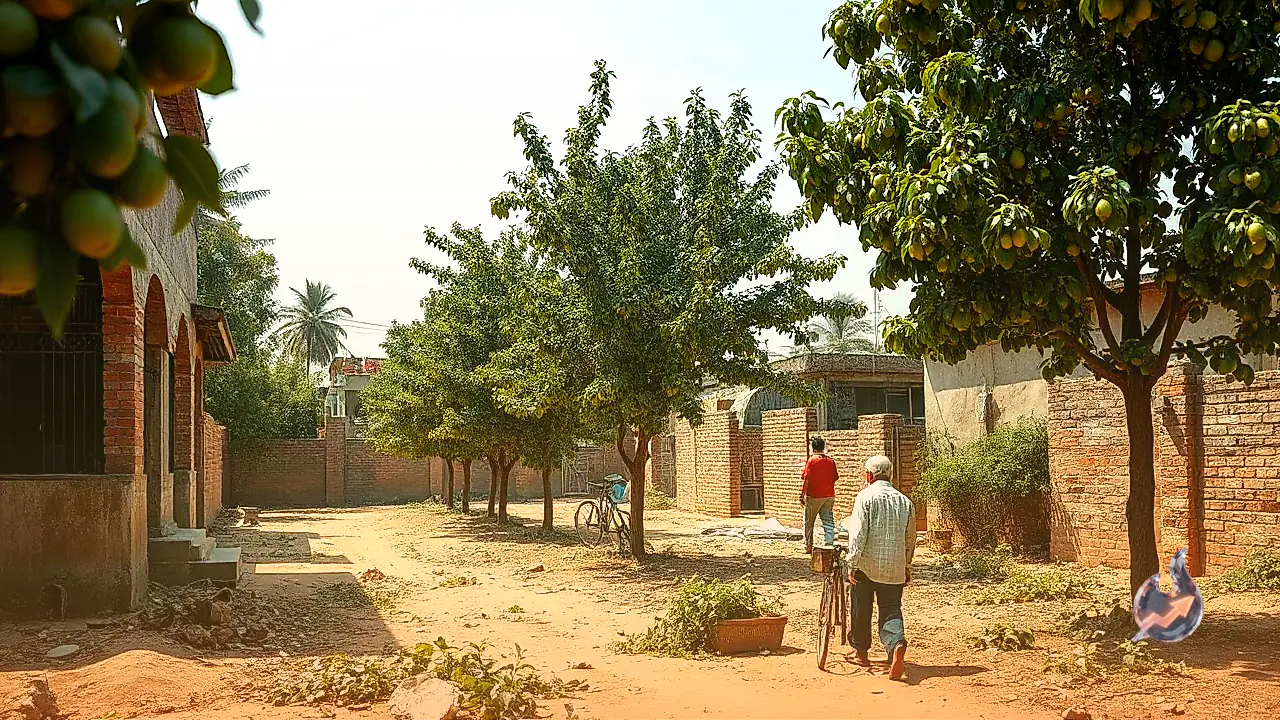

Agricultural practices in Haryana are witnessing a transformative shift as progressive cultivators move away from conventional, weather-dependent grain production. In the village of Fatehpur Billoch, located in the Faridabad district, a local farmer named Mukesh has successfully redefined land utility by converting his one-acre plot into a thriving gooseberry (amla) orchard. This strategic transition highlights a growing trend among regional growers seeking to insulate themselves from the unpredictable weather patterns that routinely threaten traditional crops like wheat and paddy.
Unlocking Stable Earnings Through Horticulture
Fatehpur Billoch has long been recognized as a prominent horticultural hub in the region, particularly famous for flower cultivation, including rajnigandha. While many local farmers traditionally rely on wheat, paddy, maize, jowar, bajra, and various seasonal vegetables, they frequently battle severe weather disruptions. Heavy rains or sudden climatic changes often destroy delicate vegetable yields and compromise cereal harvests, leading to substantial financial losses. To mitigate these persistent risks, Mukesh decided to experiment with alternative land management strategies five years ago. He procured high-quality amla saplings of the Firstted variety directly from Bengaluru to initiate his horticultural journey.
Low Operational Costs and High Profitability
The financial dynamics of gooseberry cultivation present a highly favorable outlook compared to intensive grain farming. Mukesh planted approximately 90 amla trees across his single acre of land, acquiring each young sapling at a very modest price ranging between Rs 200 and Rs 300. Once established, these perennial trees require minimal maintenance and input costs, drastically reducing the annual expenditure typically associated with fertilizers, seeds, and labor for conventional crops. Today, his matured orchard yields high-quality produce that commands a steady price of Rs 50 to Rs 60 per kilogram in the market, although prices fluctuate based on seasonal demand.
Maximizing Output via Smart Intercropping
During a single harvesting season, Mukesh manages to harvest approximately 1 to 1.5 quintals of fresh gooseberries from his one-acre plantation. To optimize the spatial utility of his farmland, he has also integrated an innovative intercropping system. Beneath the shade of the amla trees, he cultivates "fry cash", a specific variety of green foliage heavily sought after for wedding and event decorations. This dual-cultivation strategy allows him to generate an entirely separate stream of revenue from the exact same piece of land. The harvested decorative foliage is packed and shipped directly to the bustling Ghazipur flower market in Delhi, where it enjoys consistent demand, ensuring that his farming venture remains highly lucrative throughout the year.