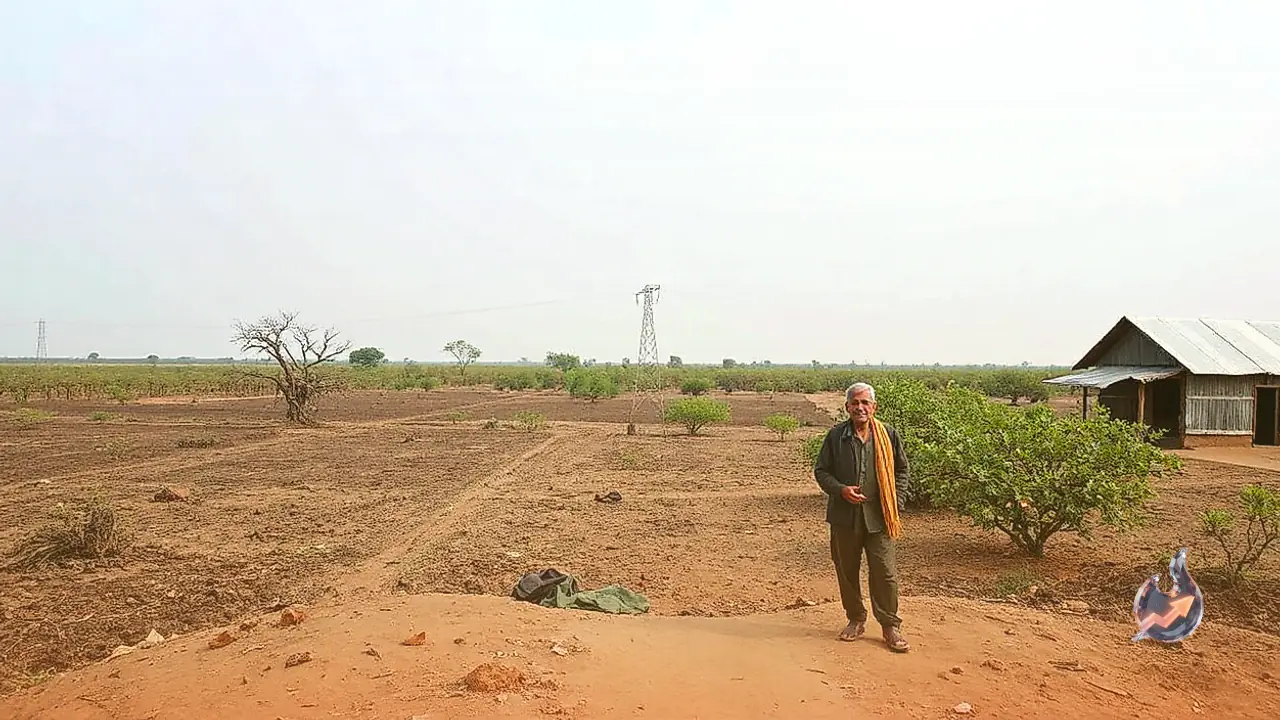























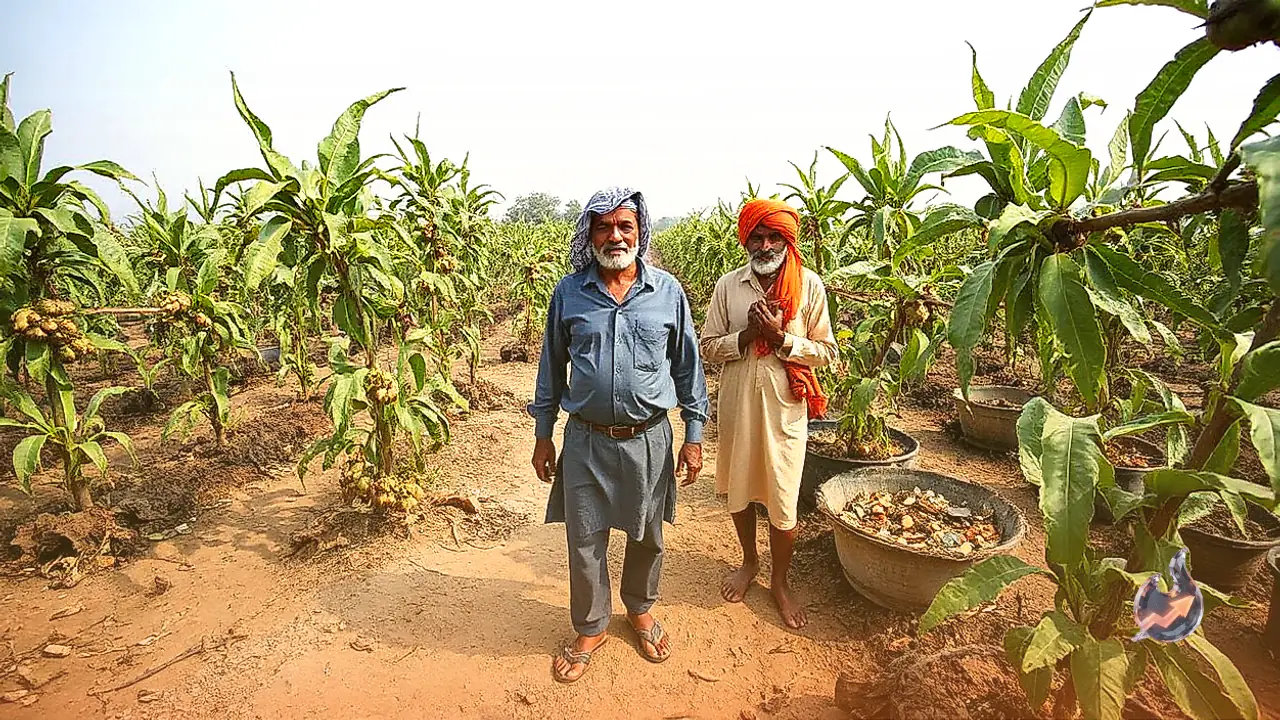

A progressive agricultural shift is taking root in the Deeg district of Rajasthan, where local farmers are increasingly diversifying away from conventional cropping patterns toward high-value produce. Leading this transition, a farmer in Samalkheda village undertook an initiative to cultivate dragon fruit. What initially started as an experimental trial on local soil has transformed into a rewarding commercial venture, encouraging surrounding cultivators to explore modern horticultural practices.
Favourable Climate Drives Robust Crop Yields
When dragon fruit saplings were first introduced in Samalkheda village, the move was seen as an untested agricultural gamble. However, the region's climatic conditions quickly proved highly hospitable for the crop. As a member of the cactus family, the plant adapted seamlessly to the local environment, demonstrating vigorous vegetative growth. The healthy development of the plants has culminated in an impressive harvest, yielding substantial output that rewards the farmer's initial willingness to experiment.
Strong Local Market Demand and Premium Pricing
The fruit's unique visual appeal combined with its recognized nutritional benefits has triggered strong demand across nearby markets. Unlike conventional staple crops that frequently suffer from price fluctuations and thin margins, dragon fruit commands a premium market rate. This consistent financial return delivers a considerable income boost compared to traditional farming. Spurred by this economic viability, neighbouring farmers across the district are actively gathering technical details and exploring plans to adopt dragon fruit cultivation on their own lands.
Horticulture Department Commends the Innovation
Lekhraj Meena, an official from the horticulture department, noted that the farmer in Samalkheda village is cultivating dragon fruit with remarkable success. He explained that the plant belongs to the cactus family and has found the local climate exceptionally well-suited to its natural growth cycle. Meena highlighted that crop growth remains robust and local consumer acceptance is rising steadily. He praised the initiative as a commendable innovation that inspires the wider farming community to modernize their practices, adding that embracing such specialized horticulture crops offers farmers a reliable avenue to raise household earnings and ensure sustainable agricultural profitability.