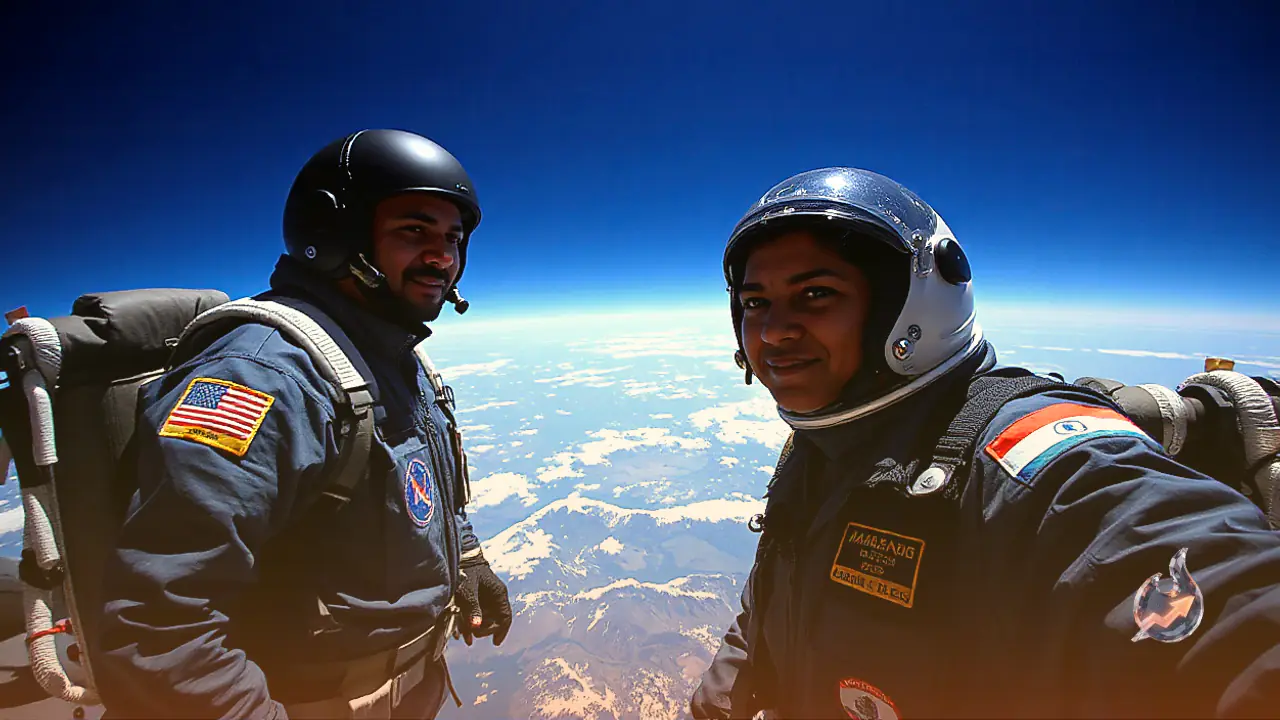

The year 1997 and the date November 19 marked a monumental chapter in history when Kalpana Chawla touched the skies. Aboard NASA's Space Shuttle Columbia for mission STS-87, she ventured into space for the very first time. With this remarkable feat, she became the first woman of Indian origin to travel into space. This journey was not merely a spaceflight, but a momentous occasion of pride and soaring dreams for millions of people.
Early Life and Roots in Haryana
Born on March 17, 1962, in Karnal, Haryana, Kalpana Chawla was the daughter of Banarsi Lal and Sanjyoti. During her childhood, she would often lie down on her rooftop for hours, gazing at the stars and wondering about their vast distance. The library at Tagore Bal Niketan served as her alternate world. Having completed her early education in 1976, her father envisioned her becoming a doctor or a teacher, but her ambitions lay far beyond conventional paths.
Higher Education and Research Career
Kalpana earned her degree in aeronautical engineering from Punjab Engineering College in 1982. She then pursued a master's degree from the University of Texas at Arlington, followed by a PhD from the University of Colorado. In 1991, she acquired United States citizenship. Her extensive academic background paved the way for her entry into advanced aerospace research.
Rigorous Training and NASA Selection
Kalpana worked at NASA's Ames Research Center, conducting research on computational fluid dynamics. In 1993, she became the vice president of Oversets Methods Inc., where she worked on multi-body simulations. When NASA selected her in 1994, her hometown of Karnal and the entire nation rejoiced. In March 1995, she entered the space center to begin a rigorous two-year training program.
Historic First Space Mission
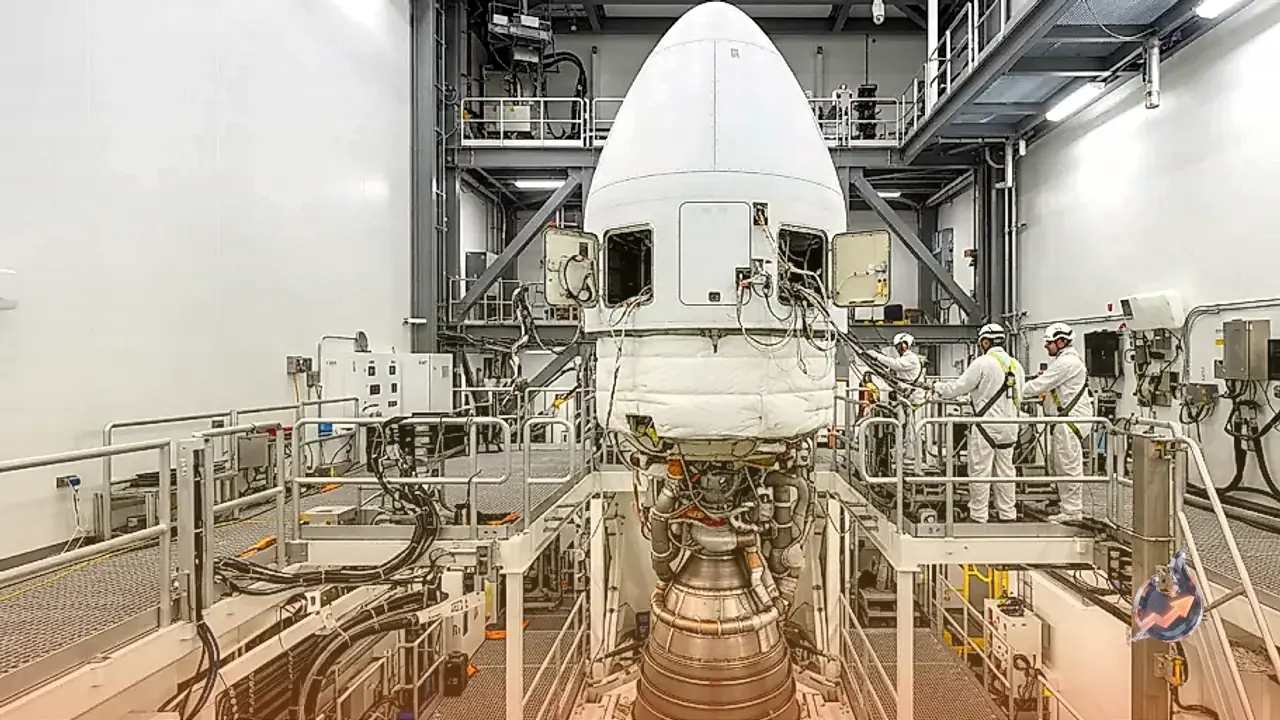
On November 19, 1997, Kalpana launched into space for the first time aboard the STS-87 mission utilizing the Space Shuttle Columbia. Observing Earth from space, she remarked that all borders vanish from up there, leaving behind only a blue sphere, which is our home. During this landmark maiden flight, she traveled 1.04 crore kilometers or 65 million miles, completing 252 orbits of the Earth in 365 hours. The 16-day mission successfully concluded on December 5, 1997.
The Tragic Final Mission
Kalpana embarked on her second space voyage on January 16, 2003, as part of the STS-107 mission. On February 1, 2003, while returning to Earth, the Columbia spacecraft met with a catastrophic accident. Just 16 minutes away from landing, technical anomalies developed within the spacecraft. A breach in the left wing allowed external gases to rush inside rapidly, causing the sensors to fail and leading to the fatal disaster from which she never returned.