
Every parent naturally feels the desire to shower love and appreciation on their child for every minor or major success. However, in recent times, a fresh debate has emerged within the realms of social media and parenting regarding how children are praised. Some individuals believe that constantly praising youngsters makes them overly dependent on external approval and applause, which can ultimately diminish their internal motivation. This raises the critical question of whether praising children is genuinely harmful to them or if it serves as an effective method to foster their growth and strengthen their bond with parents. Examining this through the lens of scientific research provides valuable clarity.
What Does Scientific Research Reveal?
While many assume that offering praise makes children dependent on others, scientific research points in an entirely different direction. Studies indicate that properly administered praise consistently produces positive outcomes for children. Numerous investigations have found that targeted encouragement motivates youngsters to excel academically, assist others, and behave well within society. Such validation also enhances children's self-confidence and their capacity to understand others, while helping them become more honest and open-minded individuals. Consequently, acknowledging a child's efforts remains a fundamental component of effective parenting.
Seven Effective And Scientific Ways To Praise Children
The specific manner in which you praise a child carries a significant impact on their development. Understanding seven effective and science-backed approaches can help parents offer encouragement correctly.
1. Praise The Effort Rather Than Inherent Traits
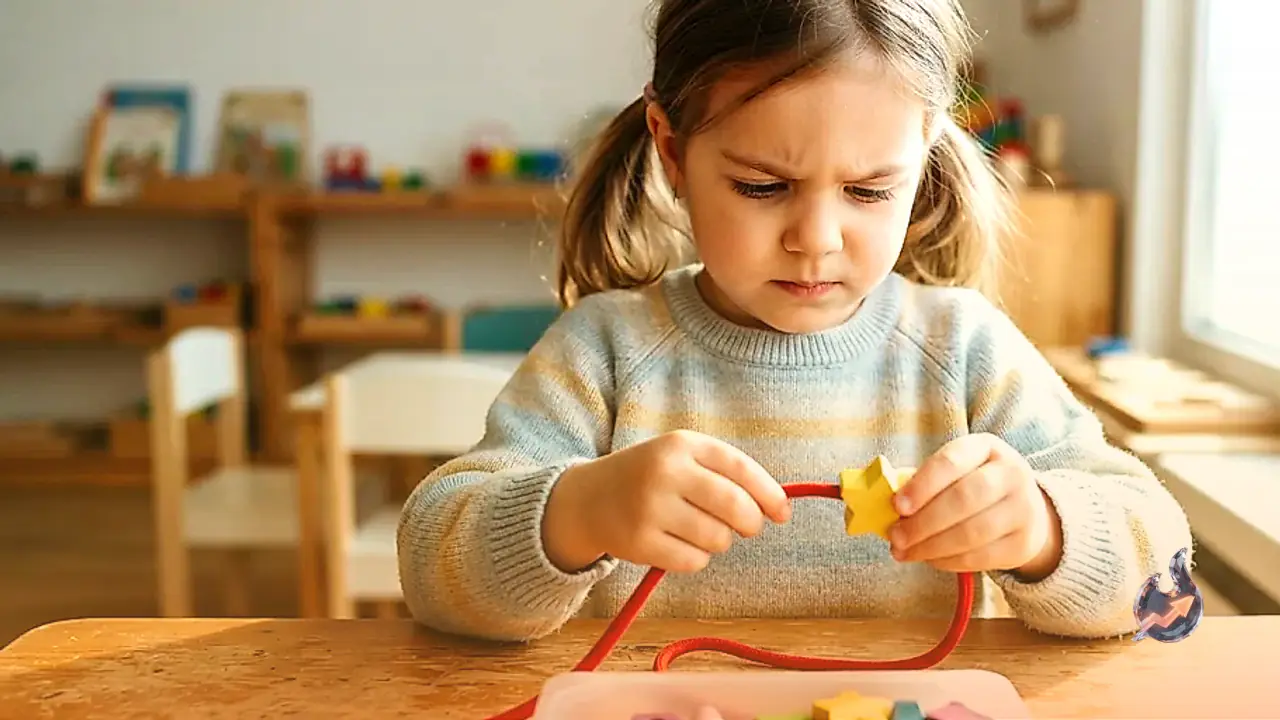
Instead of simply telling a child that they are exceptionally smart or that their drawing is wonderful, focus your praise on their hard work. For instance, when a child successfully solves a difficult math problem, acknowledge the effort they put into figuring it out. In psychological terms, this is referred to as process praise, which encourages children to tackle tough challenges and try again after experiencing mistakes. Conversely, praising only intelligence or natural talent can place undue pressure on children to maintain a flawless image.
2. Offer Encouragement That Inspires Rather Than Pressurizes
When praising a youngster, avoid making them feel as though their achievement was solely meant to please you. If a child scores a goal during a sports match, rather than declaring how happy their success has made you, express it differently by noting how much fun they seemed to have playing. This approach allows children to pursue activities based on their own joy and preferences, assuring them that their parents respect their personal choices and genuine efforts.
3. Avoid Comparisons And Focus On Personal Progress
Parents often attempt to encourage youngsters by stating that their work is superior to that of a friend or classmate. While this may sound like a compliment, it can inadvertently foster an unhealthy spirit of competition among children. Instead of focusing on their personal growth and steady improvement, they begin worrying about whether other kids are outperforming them. Therefore, rather than comparing them to peers or siblings, recognize their individual progress, such as noting how much their handwriting has improved compared to last time.
4. Be Specific Instead Of Offering Generic Praise
When a child performs a positive action, do not simply say good job or well done and leave it at that. Explain precisely what aspect of their behavior pleased you, such as pointing out how helpful it was that they packed away all their toys after playing. This clarity helps children understand what they did correctly and provides them with clear motivation to repeat the behavior in the future, although occasional general praise remains acceptable.
5. Combine Verbal Praise With Physical Gestures Of Affection
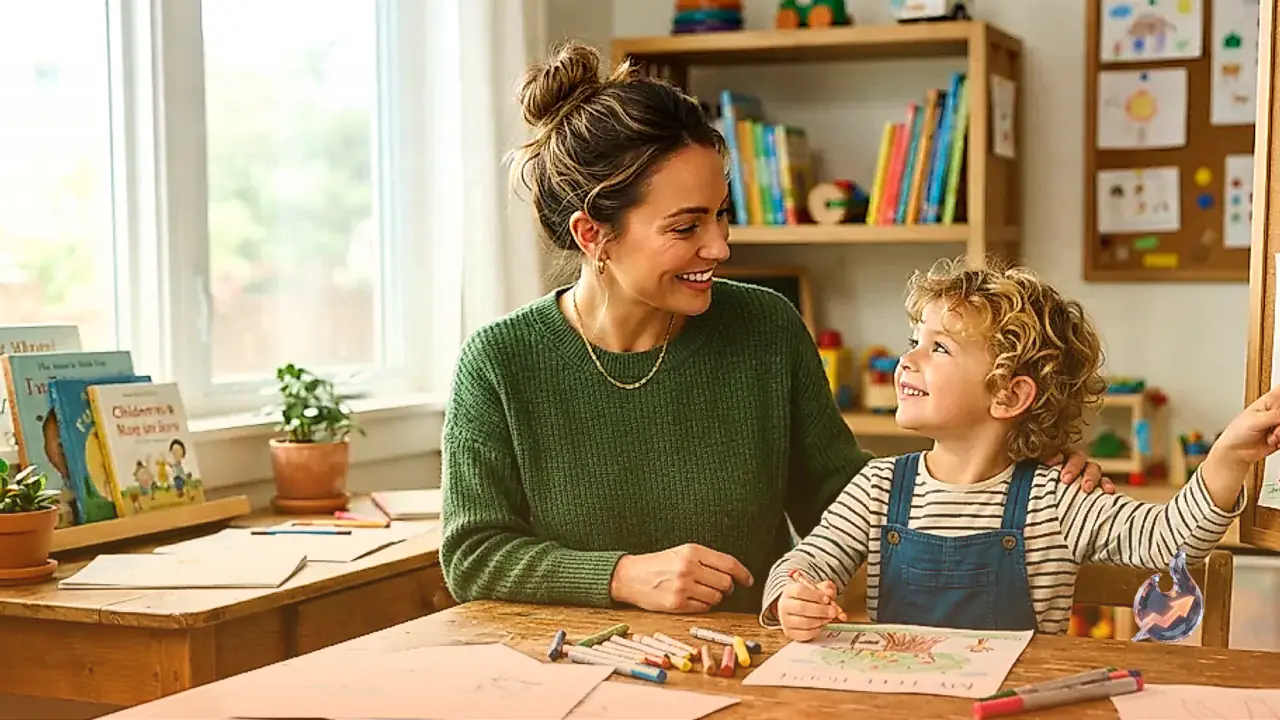
Expressing affection to children does not always require spoken words alone. Simple physical gestures like patting their back, sharing a warm smile, offering a hug, or giving a high-five communicate that you share in their joy and value their attempts. For example, when a child successfully ties their shoelaces independently for the first time, a smiling embrace boosts their confidence and encourages them to keep trying on their own next time.
6. Ensure Praise Is Sincere And Realistic
A child's praise should always be genuine and grounded in reality. If a painting created by a child is of average quality, there is no need to declare it the finest artwork in the world. Instead, compliment specific elements like their choice of colors or the effort they invested in completing the task. When children perceive your praise as authentic, they learn to trust your feedback. Exaggerating every minor action can dilute the significance of your words, so keep praise proportional to the situation.
7. Balance Praise With Quality Time And Attention
Children require your love and attention not just when they achieve something remarkable, but also during ordinary days. When they share their thoughts with you, listen attentively. Engage in play with them, participate in their small moments of joy, and offer physical comfort whenever needed.